


Turbulence Ahead: Iran’s Shadows Darken Ryanair’s Horizon, Travelers Beware
POLICY WIRE — Dublin, Ireland — It isn’t just bombs falling in the Middle East that cause casualties; sometimes, it’s just the shadow they cast. Europe’s quintessential low-cost carrier,...

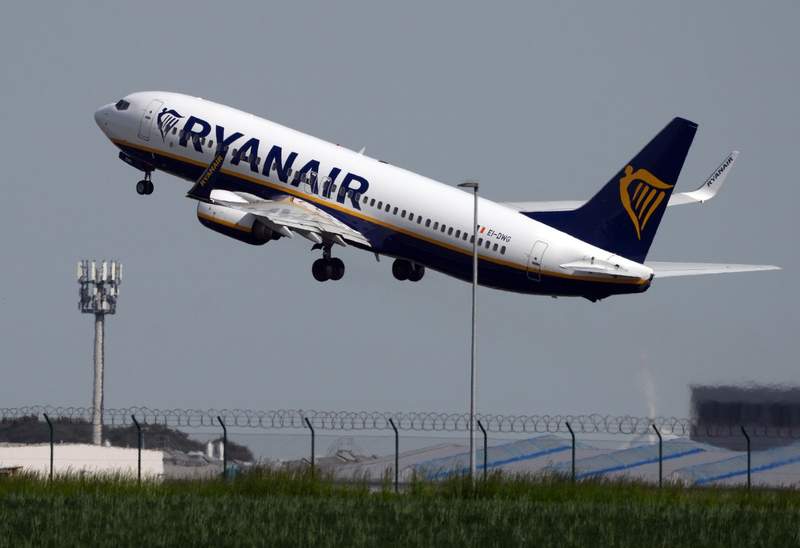
POLICY WIRE — Dublin, Ireland — It isn’t just bombs falling in the Middle East that cause casualties; sometimes, it’s just the shadow they cast. Europe’s quintessential low-cost carrier, Ryanair, finds itself bracing for an economic downdraft. The airline’s top brass isn’t whispering about a ‘soft landing’; they’re speaking plainly about ‘significant pressure’ on fares and operational expenditures, a direct fallout from the festering tensions involving Iran. That’s right, the budget airline you love (or love to complain about) is feeling the squeeze, and you, the holidaymaker, might just end up footing the bill.
It’s a peculiar thing, the way far-flung geopolitical brawls trickle down to something as mundane as the cost of a Ryanair flight to Alicante. But that’s the current state of affairs, isn’t it? Geopolitics, like a rogue gust of wind, can mess with even the most meticulously plotted flight path. And right now, the skies over the Middle East are particularly blustery. Airline executives, it seems, are learning—or relearning—that global stability isn’t just for foreign policy wonks; it’s baked right into their spreadsheets.
“We’ve seen this before,” Michael O’Leary, Ryanair’s ever-candid CEO, likely sighed into a microphone somewhere, as he’s known to do. “When things get shaky, fuel prices spike. It’s not rocket science. And then consumers get nervous. People don’t book holidays when the headlines are screaming about wars. They tighten their belts.” It’s a cyclical nightmare for carriers operating on razor-thin margins. That delicate balance—cheap seats funded by efficient operations and packed planes—gets thrown right out the window. But what choice do they’ve? They’ve got to keep those jets fueled, after all.
Because the cost of jet fuel, inextricably linked to the global crude oil market, has become volatile. A statistical dive reveals that, following recent escalation rhetoric in the Persian Gulf, Brent crude futures surged by nearly 8% in one week alone last month, according to data from Reuters. That’s a serious hit to any airline’s operational bottom line, especially those that fly thousands of routes daily. And, because airlines aren’t charitable institutions, those increased costs get passed on, one way or another. Higher fares, reduced routes, extra charges—you name it.
The contagion, though, extends beyond European holiday routes. Think about the knock-on effects. Major global shipping lanes, especially through the Strait of Hormuz, become riskier propositions. Insurance premiums soar. Supply chains that were only just recovering from post-pandemic indigestion are now facing another stomachache. For nations like Pakistan, for instance, which relies heavily on imported oil to fuel its industries and keep the lights on, every jump in crude prices sends a tremor through its economy. It fuels inflation, shrinks consumer purchasing power, and exacerbates fiscal deficits—a nasty trifecta.
“We can’t just compartmentalize these crises,” observed Dr. Amna Raza, a senior economist specializing in South Asian markets at the Islamabad Policy Institute. “The energy cost spiral impacts global freight, making essential goods more expensive. This isn’t just about Europe’s tourism; it’s about bread prices in Karachi — and manufacturing costs in Lahore. When the global economy gets a cold, South Asia often gets pneumonia.” And her point is well-taken; interconnectedness is more than a buzzword, it’s a tangible reality that governs markets from Dublin to Dhaka. For a region already grappling with economic challenges and —at times—bureaucratic instability, these external shocks couldn’t come at a worse moment.
📄 POLICY WIRE WHITEPAPER PUBLISHED: PAKISTAN'S NATIONAL SECURITY POLICY PRIORITIES
👉 READ BY CLICKING HEREThis isn’t to say Ryanair is on the brink; they’re a well-oiled machine, famous for their shrewdness. But it does signal a coming tightening of the belt, not just for the airline itself, but for the millions of everyday folks who rely on cheap flights for family visits or brief escapes. What’s often viewed as a corporate quarterly report is, in essence, an economic barometer for leisure activities, influenced by wars far from Europe’s doorstep.
But the dry reality is this: the low-fare paradigm, while persistent, isn’t immune to external shocks. Every rocket launched, every tanker seized, reverberates through the intricate capillaries of global finance and commerce. We often fixate on the political or humanitarian cost of conflict—and rightly so. Yet, there’s a quiet, insidious toll levied on consumer goods, on holiday plans, on the collective sigh of exasperation when another price tag ticks upwards. And that’s something you won’t hear on the six o’clock news often enough.
What This Means
The current situation paints a stark picture of globalization’s double-edged sword. While interconnectedness has fostered economic growth and facilitated affordable travel, it also means regional instability can trigger a cascading series of economic headaches across continents. For Ryanair, specifically, the impact will likely manifest in two primary ways: higher operating costs, chiefly fuel, and potentially dampened demand from a cost-conscious consumer base. This suggests either an unwelcome rise in ticket prices or a squeeze on airline profitability—perhaps both. Political stability, then, isn’t just an aspiration for diplomats; it’s a tangible economic commodity for companies whose bottom line hinges on predictable fuel prices and confident consumers. The airline industry, always sensitive to global shocks, will be watching the Middle East with bated breath, knowing full well that a full-blown regional conflict could easily clip the wings of recovery, causing widespread disruption to summer holiday plans and impacting a host of other economic sectors globally, even extending to the —fragile economies of industrial powerhouses reliant on steady trade and low commodity prices.