


Nairobi Grinds to Halt: Fuel Price Fury Ignites Kenya’s Economic Fault Lines
POLICY WIRE — NAIROBI, KENYA — The morning commute in Nairobi? Gone. Public transport, those ubiquitous matatus that usually clog the arteries of this East African hub, stood eerily silent. Kenya...

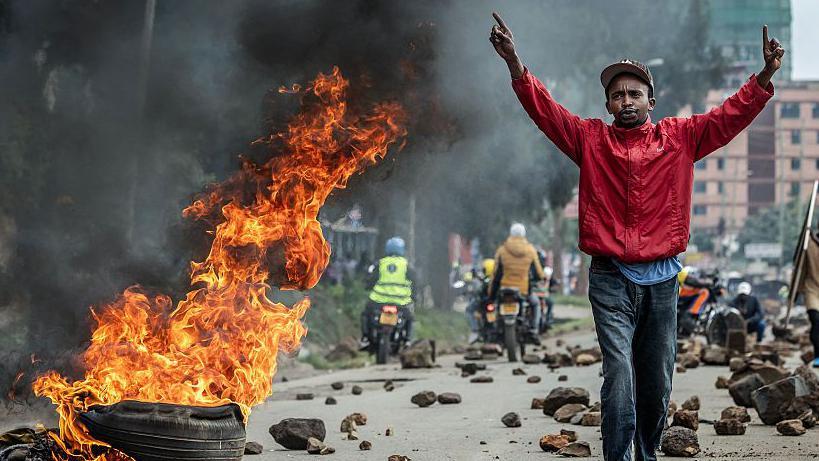
POLICY WIRE — NAIROBI, KENYA — The morning commute in Nairobi? Gone. Public transport, those ubiquitous matatus that usually clog the arteries of this East African hub, stood eerily silent. Kenya awoke today to a jarring quietude, not of peace, but of paralyzed frustration. A nationwide strike, fueled by incandescent anger over escalating petrol prices, brought the nation’s economic engine—its transport sector—to a screeching halt, leaving millions stranded and trade stalled. It’s more than just high prices; it’s a raw nerve touched in a country already wrestling with inflation and strained livelihoods.
It began subtly, as these things often do. A grumble. A spike. Then another. And then the tipping point. Transport associations, a loose confederation of truck drivers, bus operators, and those ubiquitous matatu saccos, finally said, “Enough.” They called for an indefinite strike, and the response was overwhelming. Shops reported dwindling foot traffic. Markets saw perishable goods threatened. Delivery services, already running on tight margins, buckled under the weight of inaction. This isn’t a fleeting protest; it’s an economic aneurysm, plain — and simple.
“We can’t just keep raising fares while our costs skyrocket,” declared Moses Kariuki, head of the Kenya Long Distance Drivers Association, his voice raspy from days of organizing. “It’s impossible. You work for peanuts, only to spend it all on fuel for the next trip. The government seems to think we run on good wishes.” His frustration, it’s fair to say, was echoed on countless silent street corners and in every idle vehicle park.
But how did we get here? Fuel prices have been climbing like a desperate mountain goat, largely propelled by global crude oil dynamics and, crucially, a government seemingly trapped between a rock and a very hard place. A recently applied value-added tax on petroleum products certainly didn’t help. The government argues it needs the revenue—gotta pay for those development projects, right?—and points to the depreciating Kenyan shilling against the dollar as a further complicating factor for import costs. This, coupled with the ongoing international instability impacting supply chains, paints a grim picture. Because, honestly, what’s a nation to do when the very lifeblood of its commerce becomes unaffordable?
Treasury Cabinet Secretary Njuguna Ndung’u, in a brief and somewhat strained statement to reporters, acknowledged the “temporary difficulties” facing citizens. “We understand the pain, truly. But these are global pressures. The alternative—subsidies—is unsustainable and would simply kick the can down the road, distorting our market and burdening future generations with debt.” He spoke of long-term strategies, of energy independence and diversification, which, while commendable in theory, offer scant comfort to a driver who can’t afford to fill his tank today.
The latest hike pushed petrol prices in Nairobi to an average of KES 217.36 per liter (around USD 1.48 at current exchange rates), representing a staggering 28% increase over the past six months alone, according to data from Kenya’s Energy and Petroleum Regulatory Authority (EPRA). That’s not a mere fluctuation; that’s an eviction notice for small businesses and a diet of austerity for ordinary households.
📄 POLICY WIRE WHITEPAPER PUBLISHED: PAKISTAN'S NATIONAL SECURITY POLICY PRIORITIES
👉 READ BY CLICKING HEREAcross the Arabian Sea, in countries like Pakistan, similar energy crunches frequently spark social unrest and political crises. Their governments, too, wrestle with the impossible choice between fiscal solvency and keeping fuel affordable for the masses—a dance often dictated by the International Monetary Fund’s austere melodies. The ripple effects are real, impacting everything from food prices to manufacturing costs. It’s a shared regional plight, played out with differing local flavors.
What This Means
This strike isn’t just about traffic. It’s a litmus test for President Ruto’s administration. He inherited a formidable debt burden and promised economic stabilization, but these protests could swiftly erode public confidence. The government finds itself in an unenviable position: either absorb some of the cost, further straining public coffers already stretched thin, or stand firm and risk a full-blown economic paralysis. Any prolonged disruption to transport will invariably translate to spikes in food prices, especially for fresh produce arriving in urban centers. Businesses relying on timely deliveries will falter. Foreign investment, always skittish about instability, will certainly take note.
And let’s be real, the implications extend beyond Kenya’s borders. East Africa, a region interconnected by trade routes — and shared economic fortunes, will feel this tremor. Kenya is a logistical hub. Blocked roads — and grounded transport in Nairobi mean goods aren’t reaching Uganda, Rwanda, or parts of Tanzania. The knock-on effect? Inflation, shortages, and renewed calls for regional solidarity in managing commodity shocks. This fuel price fury isn’t just grounding Kenya; it’s igniting deeper fissures across the regional economic landscape, a sharp reminder of how tightly interwoven these fragile economies truly are.