

Paper Panic: Malaysia Battles Echoes of Identity as Bureaucratic Lies Undermine Trust
POLICY WIRE — Kuala Lumpur, Malaysia — It started, as these things often do, with a whisper. A social media post here, a forwarded message there. Then, like some stubborn tropical vine, it gripped...

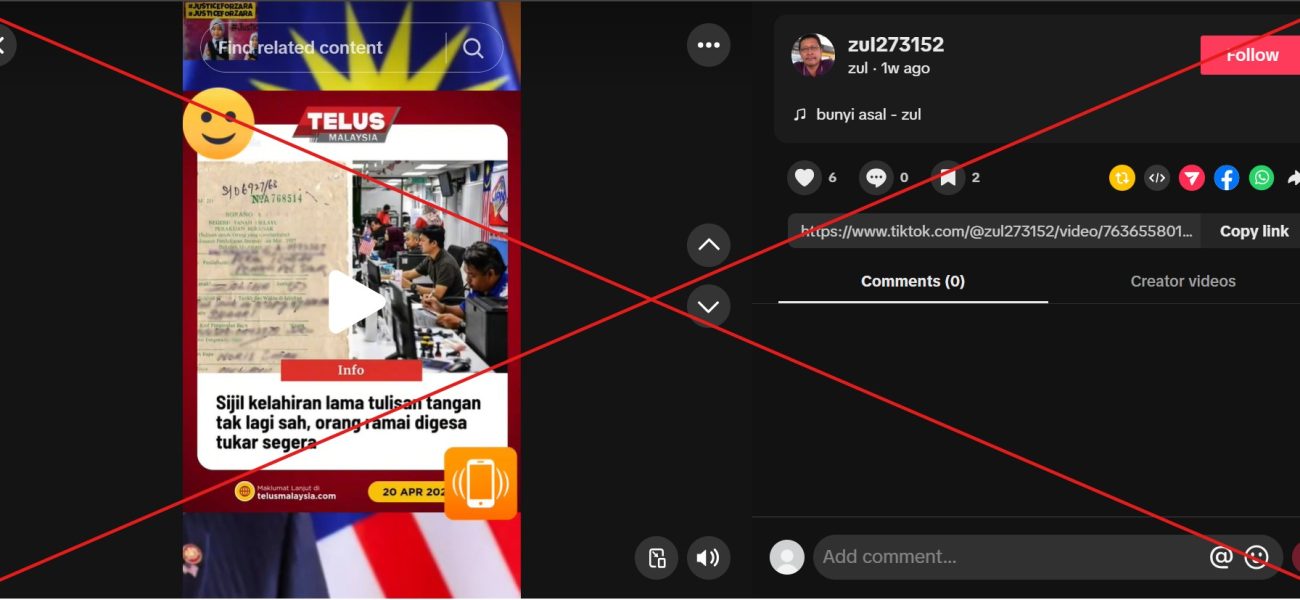
POLICY WIRE — Kuala Lumpur, Malaysia — It started, as these things often do, with a whisper. A social media post here, a forwarded message there. Then, like some stubborn tropical vine, it gripped the corners of Malaysia’s digital landscape: the insidious falsehood claiming handwritten birth certificates—documents many Malaysians have relied on for decades—aren’t worth the paper they’re scrawled on. It’s not just bureaucratic noise, is it? It’s far more unsettling than that; it’s a silent panic, an existential tremor shaking the foundations of identity for a segment of the populace, especially older folks whose entire recognized history rests on that very penmanship.
Because, for generations, a meticulously handwritten birth certificate wasn’t just a record; it was a pact, a solemn promise from the state confirming your existence. Now, the modern world’s digital anxiety—exacerbated by misinformed influencers or malicious actors—threatens to unravel that understanding. And officials, bless their hearts, they’re playing catch-up, trying to put out these digital brushfires of doubt before they become a raging inferno of disenfranchisement.
“Such baseless narratives, they don’t just confuse; they sow distrust in government institutions,” said Dr. Tan Sri Azman Hashim, Director-General of Malaysia’s National Registration Department (NRD), firmly, his frustration palpable during a recent press brief. “Every certificate issued by the NRD—handwritten or printed—is an authentic record of a citizen’s existence. Period.” He emphasized that handwritten birth certificates remain perfectly valid for any official transaction—marriage, school enrollment, passports, or property. They always have been. They always will be.
But facts, as we’ve learned, often travel slower than fiction. This particular strain of disinformation strikes deep because it targets a core aspect of state identity. Who are you if your first document of existence is suddenly questionable? It isn’t just about renewing your driving license, is it? It’s about being seen. It’s about belonging. The sheer bureaucratic absurdity of challenging documents issued under legitimate, albeit older, protocols — that’s the true kicker.
This situation echoes, albeit on a micro-level, the broader challenges faced across Southeast Asia and indeed the Muslim world. From stateless populations grappling for recognition in Myanmar’s shadow, to internal migrants in Pakistan navigating complex identity politics, the sanctity of official documents remains a contentious flashpoint. Questions of citizenship and identity often form the basis for much larger socio-political friction. In these places, a single document can separate legal existence from an undocumented phantom. The UN Refugee Agency, UNHCR, estimates that in 2023, around 4.3 million people across Asia and the Pacific were stateless or of undetermined nationality, a significant number facing bureaucratic hurdles.
“This isn’t about paperwork; it’s about identity, about people’s fundamental right to be recognized by their own country,” remarked Home Affairs Minister Datuk Seri Saifuddin Nasution Ismail, during a parliamentary debate, eyes narrowing slightly. “To spread such falsehoods, it’s not just negligent, it’s destructive to national cohesion. It feeds into an anti-establishment narrative that undermines the very fabric of our society.” You see the game, don’t you? It’s not just a technicality, it’s a calculated attack.
📄 POLICY WIRE WHITEPAPER PUBLISHED: PAKISTAN'S NATIONAL SECURITY POLICY PRIORITIES
👉 READ BY CLICKING HEREThe misinformation campaigns are usually fueled by narratives that tap into public mistrust or exploit gaps in understanding how government agencies operate. These digital attacks often catch the less digitally savvy population segments off guard. Imagine, if you will, a retired rubber tapper in Pahang, suddenly questioning everything they thought they knew about their citizenship because of some viral WhatsApp message.
What This Means
The Malaysian incident, while specific to birth certificates, paints a stark picture of a global susceptibility. Misinformation campaigns targeting foundational state services — identification, elections, public health — represent more than mere annoyance. They erode public trust, make governance harder, and can potentially destabilize social order by sowing seeds of confusion among vulnerable groups. Economically, mass uncertainty over identity documents can create administrative backlogs, hinder access to services, and even impact foreign investment perception, which certainly isn’t great. Politically, the government spends resources debunking blatant untruths rather than focusing on legitimate policy debates. It forces a reactive posture, draining state capacity and fueling cynicism, an ongoing problem in fledgling democracies or nations wrestling with their own multifaceted identities. It’s a classic strategy for disrupting adversaries—and sometimes, you’re disrupting your own citizens by accident.
For Malaysia, a diverse nation already navigating complex issues of ethnicity and religious identity, these incidents pose a real threat to social harmony. It doesn’t just cause a hassle at the counter; it fractures communal trust. And that, dear reader, is far harder to repair than simply printing a new certificate. The quiet anxiety among the elderly, the bureaucratic nightmares for those caught in the crossfire—it’s not a good look. Not for a nation trying to project stability — and progress.