


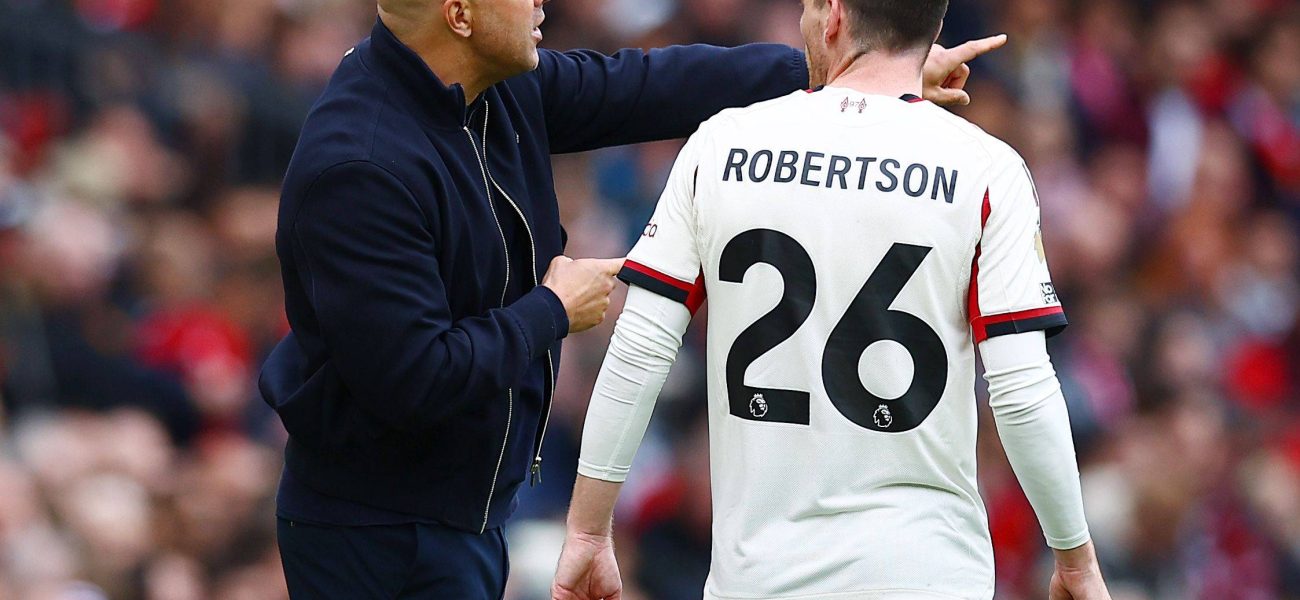
Anfield’s Fading Echoes: Liverpool’s Reckoning Arrives, and Arne Slot’s Burden Is Heavy
POLICY WIRE — Liverpool, UK — You could feel it in the bones of the old stadium, long before the final whistle blew on a season best forgotten. It wasn’t just the results, or the weary faces in...

POLICY WIRE — Liverpool, UK — You could feel it in the bones of the old stadium, long before the final whistle blew on a season best forgotten. It wasn’t just the results, or the weary faces in the stands. It was the peculiar hush that settled over Anfield in its grimmer moments, the unnerving silence that screamed louder than any roar, whispering that something foundational had shifted. This wasn’t merely a bad patch; it was a systemic shudder. The kind that makes you question if the very bedrock has started to crumble.
For a club steeped in the almost mythical glow of recent triumphs, the recent Premier League campaign morphed into an uncomfortable, year-long seminar on how quickly gravity reasserts its authority. Suddenly, the standards that felt carved in stone felt more like sandcastles — intricate, yes, but utterly vulnerable to the incoming tide. New gaffer Arne Slot rolls into Merseyside with a smile, but it’s got to be a bit strained, because the numbers he’s inheriting aren’t just troubling; they’re a gut-punch.
It’s not just the twelve Premier League defeats – a staggering count for a team that, until very recently, seemed to treat losing like an allergic reaction. But there’s more. The Reds coughed up 52 goals in the league this season. To put it plainly, that’s their shakiest defensive display in any 38-game Premier League campaign since, well, ever. Liverpool conceded 52 Premier League goals this past season, their highest tally in a 38-game campaign according to Opta Sports data, which tells you all you need to know about where the rot truly set in.
This wasn’t just about opponents having a particularly good day. Not at all. Teams found it unnervingly easy to waltz through Liverpool’s once-formidable defensive lines. Set pieces became a bizarre form of self-sabotage, an Achilles’ heel big enough to drive a bus through. Twenty goals shipped from dead-ball situations, excluding penalties. Twenty! That’s more than anyone else in England’s top flight. This isn’t bad luck; it’s a structural deficiency, a chink in the armour that opponents exploited with gleeful regularity. The entire global fanbase – from Bootle to Karachi, where millions of fervent Liverpool supporters rise at ungodly hours to catch every match – has had to watch this defensive capitulation.
“Look, this isn’t about one or two players, or just a new manager,” offered former Liverpool defender and pundit Jamie Carragher, whose voice always carries the weight of a seasoned scouser, when asked about the team’s issues. “We’ve seen too many games where the basic tenets of a Liverpool defense just weren’t there. It’s a collective psychology, almost. You can’t just slap a plaster on that; you need to rip the whole thing out and rebuild, properly.” And he’s got a point. It’s a deep dive into the organizational chart. The malaise wasn’t confined to the backline either. Upfront, the cutting edge often seemed blunted, the attacking verve swapped for moments of frustrating indecision. Goals weren’t always plentiful, and the once-feared press often felt more like a gentle suggestion than a suffocating squeeze.
Because ultimately, this wasn’t just about bad defending or off-target shots. It’s a crisis of confidence that permeates every blade of grass at Anfield. The psychological impact is immense. That famous aura of invincibility? Gone. The feeling that opponents were beaten before they even laced up their boots? A distant memory. Opposing teams don’t just hope for a result anymore; they expect one. That’s a profoundly dangerous shift for any elite club.
What This Means
This dismal statistical readout for Liverpool translates into tangible political and economic headaches for Fenway Sports Group (FSG). Politically, the heat is squarely on. Fan disquiet isn’t a minor tremor anymore; it’s a seismic event threatening to rupture trust. Season ticket renewals, merchandise sales, and even less tangible elements like club prestige on the international stage are all influenced. If Slot can’t fix things, quickly, the cries for managerial heads and even ownership accountability will reach a crescendo.
📄 POLICY WIRE WHITEPAPER PUBLISHED: PAKISTAN'S NATIONAL SECURITY POLICY PRIORITIES
👉 READ BY CLICKING HEREEconomically, less prize money from a lower league finish isn’t the only concern. A team that isn’t competing at the highest level—especially in the Champions League—sees a dip in broadcast revenue, sponsorship appeal, and player attraction. Talented individuals, like those involved in football’s hidden markets and asset management, often look elsewhere when glory seems far off. And that includes countries like Pakistan, where the vast diaspora keeps a keen eye on these financial ebb and flow, knowing that global perception matters, whether it’s for a club or a nation’s sporting prestige.
Mike Gordon, President of FSG, while generally reticent, offered a brief statement recently, reflecting the club’s position. “We appreciate Arne’s vision — and the methodical approach he’s bringing to this immense task. It won’t be an overnight fix, but we’re committed to providing the necessary resources for a robust structural overhaul.” His words echo what many expect: a challenging transfer window focused on shoring up obvious weaknesses, rather than chasing glamour signings. For the passionate devotees in places like India, who treat football like a religion — a fervour often seen when cricket’s millions hang on a single swing — the frustration is real, and the need for immediate, decisive action is palpable.
The Dutchman, Slot, steps into a colossal shadow. He’s not just taking over a football team; he’s taking custodianship of an identity, a history, and an immense weight of expectation. Recruitment will dictate his early success, sure. But so too will his ability to re-instill the sort of granite-hard defensive discipline and collective self-belief that somehow vanished. It’s not just a summer for buying players; it’s a summer for a complete, gritty cultural reset. Anything less, — and that eerie Anfield quiet will only get louder, more despairing, and far more ominous.