

Hellish Winds, Twin Tragedies: New Mexico Inferno Wages Relentless War on Fragile Landscape
POLICY WIRE — Capitan, New Mexico — There are days, aren’t there, when the cosmos seems to conspire? When one disaster bleeds into another, leaving behind not just charred earth, but a...

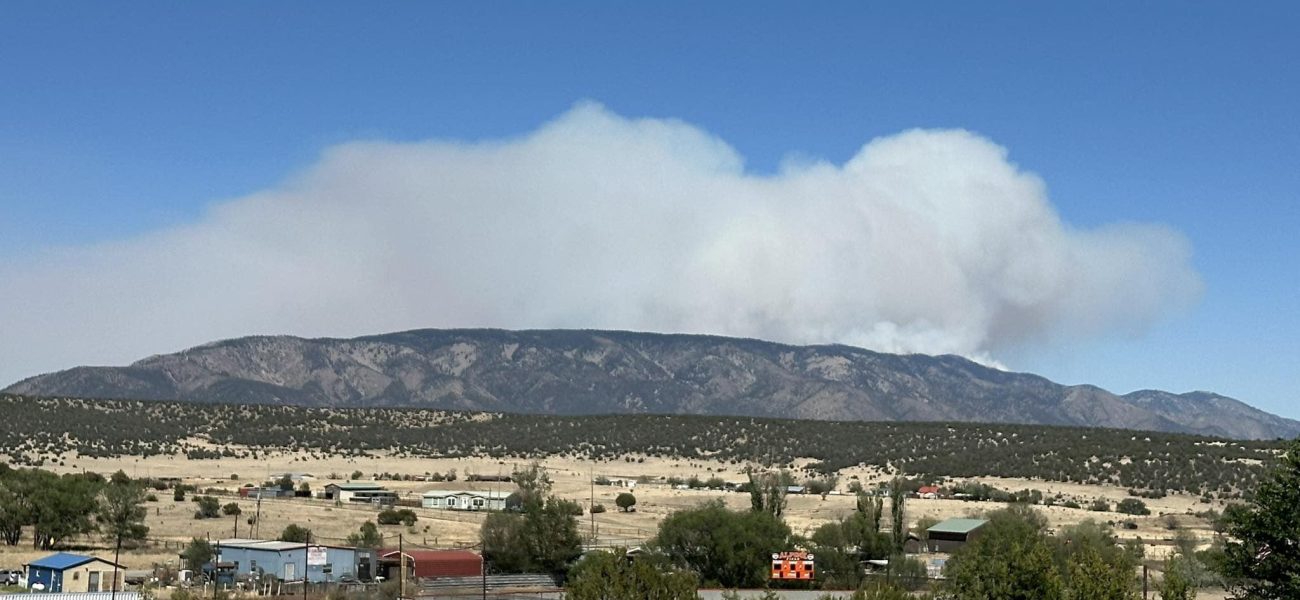
POLICY WIRE — Capitan, New Mexico — There are days, aren’t there, when the cosmos seems to conspire? When one disaster bleeds into another, leaving behind not just charred earth, but a profound, almost existential, helplessness. Out here, deep in the Capitan Mountains – legendary stomping grounds of Smokey Bear, mind you – a different, far more destructive fire is doing its grim work. This isn’t just a wildfire; it’s a rapidly expanding inferno, a stark testament to nature’s brute force, tied tragically to the grim discovery of a downed medical aircraft.
It’s a nasty, tangled knot, this situation. The Seven Cabins Fire isn’t merely raging; it’s roaring. In less than twenty-four hours, it swallowed territory whole, more than doubling in size. From a menacing 2,645 acres on Saturday evening, it ballooned to a sprawling 6,361 acres by Sunday morning. And why? Blame the wind, of course. Those ceaseless, unforgiving gusts that firefighters curse under their breath, fanning sparks into fresh nightmares. We’re talking wind so brutal, so utterly relentless, it promises to keep pushing the flames directly towards Highway 246—the local lifeline. Fire managers, seasoned — and grim, aren’t holding back; they anticipate 50 mph gales today, too. They’re planning to use that very highway, a ribbon of asphalt in a sea of pines, as a last-ditch barrier against the monstrous spread. Good luck, boys.
As we speak, precisely zero percent of this beast is contained. Not a speck. The wildland firefighters – a stoic, weary lot, 226 strong – are out there, pushing back. They’re carving lines around places like Pine Lodge, where homes stand precariously in the fire’s hungry path. They’re shoring up defenses at Shippy Ranch — and Angel Ranch, desperately trying to save what can be saved. You see, the stakes couldn’t be higher. And it’s not just the property; it’s a way of life, a quiet existence etched into this high desert landscape, now smoldering.
“We’re dealing with an extreme fire environment, something far beyond the usual summer challenges,” Governor Michelle Lujan Grisham (D-NM) stated yesterday, her voice tight with concern during a press briefing. “The scale of this rapid growth, compounded by high winds, requires every single resource we can throw at it. Our priority is—and always will be—human life, getting folks safe and preserving homes wherever possible. But it’s a desperate fight, no two ways about it.”
But the true heart of this tragic tale? The connection. This devastating fire is grimly linked to a medical plane crash. Four souls lost, extinguished in the rugged Capitan peaks. Trans Aero MedEvac, the company that owned the ill-fated aircraft, identified the victims just yesterday. It’s a sobering double punch: an uncontrolled environmental disaster meeting a gut-wrenching human one. One wonders if the sheer chaotic power of the winds contributed to that terrible descent, too.
The scale of these modern conflagrations isn’t some outlier. It’s part of a harrowing global trend. Across the globe, from the tinder-dry forests of Australia to the once-verdant plains of parts of Pakistan facing unprecedented heatwaves and subsequent floods, humanity grapples with increasingly unpredictable natural forces. The impact on vulnerable communities is undeniable, whether it’s local New Mexico ranchers or farmers in Sindh. The National Interagency Fire Center (NIFC) reports that wildfires in the U.S. burned an average of 7.5 million acres annually over the last decade, a stark increase from previous periods—a hard number, suggesting this isn’t an anomaly, but a new, brutal normal. It’s not about IF fires will happen; it’s about WHEN, — and how utterly massive they’ll be.
📄 POLICY WIRE WHITEPAPER PUBLISHED: PAKISTAN'S NATIONAL SECURITY POLICY PRIORITIES
👉 READ BY CLICKING HERE“This fire season is setting up to be exceptionally challenging, even for veterans like us,” commented Dave Moline, a U.S. Forest Service Operations Chief, wiping sweat from his brow, surveying the smoke plume. “You look at conditions like this—low humidity, insane winds, accumulated fuels—and you know you’re in for the fight of your lives. We’re deploying everything, air tankers making drops, ground crews digging like madmen, but these mountains, they don’t give up their secrets easily. And they certainly don’t respect our boundaries.”
What This Means
This escalating wildfire isn’t just about trees burning; it’s a brutal bellwether for what many regions in the American West are staring down the barrel of. Politically, the pressure will mount on local — and state authorities to demonstrate effective crisis management. Governor Lujan Grisham’s administration will find itself under a microscope, needing to coordinate federal assets rapidly and ensure sufficient resources – human and mechanical – are deployed. Failure to contain a fire of this magnitude, especially one with direct links to a human tragedy, can scar political capital for years.
Economically, the implications are bleak. Property values in communities like Capitan, already a bit off the beaten path, could take a hit. Ranching, a core industry here, faces direct devastation of grazing lands — and infrastructure. Beyond that, the long-term environmental costs of smoke inhalation and ecological damage will ripple through public health systems and recovery efforts. And don’t forget tourism, a silent driver for many rural economies; when the skies are choked with smoke and access roads are closed, the dollar stops flowing. The combined tragedies – a fire running wild, a plane falling from the sky – paint a chilling picture of an area wrestling with both the immediate fury of nature and the creeping tendrils of climate vulnerability. This isn’t a one-off. It’s an escalating forecast, a grim precursor of fire seasons to come, demanding ever-more creative and substantial preventative strategies, and better ways for us to navigate this hotter, drier world.