


India’s Cracking Meritocracy: Medical Exam Scandal Exposes Deeper Systemic Rot
POLICY WIRE — New Delhi, India — Imagine investing years, perhaps a decade, of your young life — countless sleepless nights, family savings drained into expensive coaching, the crushing pressure of a...

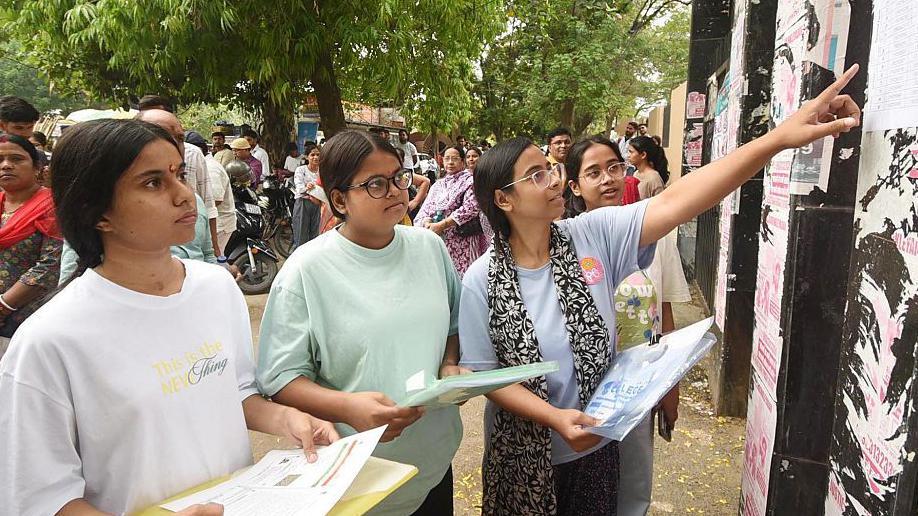
POLICY WIRE — New Delhi, India — Imagine investing years, perhaps a decade, of your young life — countless sleepless nights, family savings drained into expensive coaching, the crushing pressure of a billion hopes pinned on your shoulders. Now, imagine watching it all, the sheer gravity of your future, simply melt away because some unscrupulous few decided to turn your aspiration into their personal piggy bank. That’s the bitter pill India’s aspiring doctors are being forced to swallow, again, as yet another high-stakes medical entrance examination finds itself mired in scandal. It’s not just a leak; it’s a gut-punch to the very idea of a fair shot in a nation that often prides itself on upward mobility through education.
The National Eligibility cum Entrance Test (NEET), a single gateway to thousands of medical and dental school seats, was supposed to be the ultimate arbiter of merit. But rumors — then confirmed reports — of question paper leaks across several states have cast a long, ugly shadow over its sanctity. And you know, this isn’t an isolated incident; it’s a recurring nightmare, making many wonder if the system itself is rigged from the start. Kids dedicate their adolescence to this marathon, chasing a dream that, it turns out, can be bought on the black market.
The stakes couldn’t be higher. Parents go into serious debt; children put off marriage, social lives, everything, for this singular, all-consuming goal. This year, approximately 2.4 million candidates vied for medical school seats in India, making it one of the most competitive entrance processes globally, according to National Testing Agency figures. The coaching industry alone, a massive, unregulated beast, reportedly churns out billions of dollars annually, preying on parental anxieties and students’ desperate hopes.
For many, particularly those from rural areas or modest backgrounds, clearing NEET is the only viable path to a respected, financially secure life. It’s the ultimate social elevator. But when the integrity of that elevator is compromised, faith buckles. Education Minister Dharmendra Pradhan, often perceived as the face of these aspirations, acknowledged the issues, stating, “We will ensure that those found guilty, no matter how high or powerful, face the full force of the law. We won’t tolerate any compromise on our children’s future.” Sure, they always say that. Then the cycle often just repeats.
And it’s not just India that grapples with this deep-seated issue of systemic corruption bleeding into education. Across South Asia, from Bangladesh’s complex societal shifts to Pakistan’s ongoing challenges in fostering transparent institutions, the struggle for educational fairness and preventing fraudulent practices is real. This regional echo suggests a shared problem of trust, where public examinations — meant to democratize opportunity — can instead become another arena for the well-connected or the criminally inclined to exploit.
Because frankly, what does it say about a system when the path to becoming a doctor, a profession built on trust and ethics, begins with a lie? Dr. Sarojini Devi, a prominent education policy analyst — and former university dean, didn’t mince words. “This isn’t about isolated incidents,” she argued passionately. “This is about a widespread erosion of institutional credibility. It tells young people that merit might matter, but connections — and corruption matter more. It’s an indictment of our regulatory oversight and a slap in the face of every genuinely hardworking student.” She’s got a point, hasn’t she?
📄 POLICY WIRE WHITEPAPER PUBLISHED: PAKISTAN'S NATIONAL SECURITY POLICY PRIORITIES
👉 READ BY CLICKING HEREThe fallout is more than just rescheduling exams; it’s the profound loss of trust, the gnawing suspicion that fair play is a myth. Many of these young aspirants, witnessing this recurrent charade, might well question their place in India. They’re smart kids, globally competitive. Some may even be thinking of packing their bags, looking for systems abroad where their hard work won’t be undercut by someone else’s dirty money—a brain drain fueled by disillusionment, adding another layer to the complex narrative of India’s ambitious youth weighing their domestic opportunities against global aspirations. This incident, while specific, points to a larger, festering wound in India’s social contract.
What This Means
This recurrent exam scandal carries significant weight for India’s political — and economic future. Politically, it deepens public cynicism regarding governmental competence and accountability, especially concerning critical public services like education. It directly challenges the Modi government’s narrative of efficient governance and transparency, potentially eroding its support base among a crucial demographic: aspirational youth and their families. An inability to safeguard the integrity of such a core function could fuel dissent and anti-establishment sentiment, something no ruling party wants, particularly when youth unemployment remains a simmering concern.
Economically, the implications are equally troubling. A compromised meritocracy stunts innovation — and efficient allocation of talent. If access to quality education and professions is perceived as purchasable, it deters genuine talent, encourages rent-seeking behavior, and diminishes the overall quality of professionals entering the workforce. it incentivizes corruption at various levels, diverting resources from productive activities and fostering an environment less attractive for both domestic and foreign investment concerned with good governance. A system that can’t guarantee a fair start will struggle to guarantee a prosperous, equitable future. And that’s not good for anyone.