

Homeward Bound: Ghana Airlifts Citizens as South African Xenophobia Flares Again
POLICY WIRE — Accra/Pretoria — The whir of aircraft engines, not the hopeful clamor of arriving fortune-seekers, signals Ghana’s latest foray into South Africa. This time, however, it’s a...

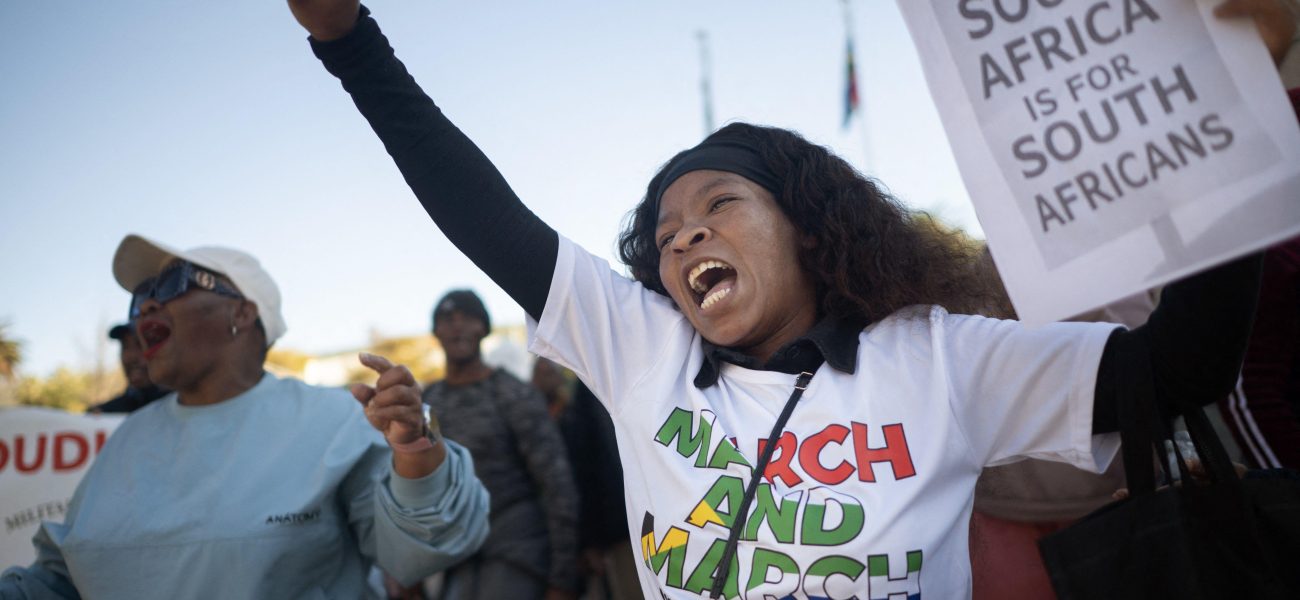
POLICY WIRE — Accra/Pretoria — The whir of aircraft engines, not the hopeful clamor of arriving fortune-seekers, signals Ghana’s latest foray into South Africa. This time, however, it’s a retrieval operation: a grim reversal of economic aspiration as Accra dispatches planes to pluck hundreds of its citizens from the clutches of anti-immigrant fury gripping parts of Mzansi. It’s a sobering scene, frankly, and one that slices right through the feel-good narratives of Pan-African unity, laying bare a raw, persistent wound on the continent.
They’re not fleeing war, not in the traditional sense, at least. But the hostile climate, the rising tide of xenophobia in what was once hailed as the continent’s democratic standard-bearer, has become intolerable. Ghana isn’t alone; other African nations have, for years, periodically had to bring their folks home when things inevitably spiral. It’s a macabre dance—promise, migration, resentment, violence, then finally, evacuation. This round sees roughly 300 Ghanaians deemed in serious enough peril to warrant a state-sponsored exit. And honestly, it leaves a bitter taste in your mouth, doesn’t it?
South Africa’s democratic narrative, born from the crucible of apartheid, was meant to be different. A Rainbow Nation. Instead, pockets of it — particularly in economically strained townships and urban centers — have become crucibles of resentment against anyone perceived as ‘outsiders’ taking jobs or opportunities. “It’s a bitter pill to swallow, frankly. We send our people abroad for opportunity, not for fear,” remarked Shirley Ayorkor Botchwey, Ghana’s Foreign Minister, in a recent address. “Our primary duty, however, is their safety, — and that means bringing them home when a host nation can’t guarantee it. We expect better from our continental partners.” It’s direct. It’s unambiguous. It’s what you say when diplomacy feels thin.
Because the issues here aren’t just about a few angry crowds; they’re structural. South Africa battles one of the highest unemployment rates in the world, with youth unemployment hovering around 60% as of early 2024, according to Statistics South Africa. When economic hardship bites that hard, scapegoats often become expedient. It’s an old playbook, one seen from America’s rust belt to Europe’s migrant-weary shores, now replayed with devastating effect in Africa’s most industrialized nation. This time, the targets are primarily fellow Africans, though similar anxieties simmer around other migrant communities too.
But how do you reconcile a nation built on the fight against oppression with its citizens then turning to oppress others? The government in Pretoria has routinely condemned the violence, sometimes even dispatching the army to quell it. Yet, the cycles persist, suggesting a deeper failure to address the root causes—poverty, inequality, and a potent strain of nationalist exceptionalism. Nomaindia Mfeketo, a former South African Deputy Minister of International Relations, once noted, perhaps with a touch more optimism than the situation truly merits, that “These are isolated incidents, regrettable ones, absolutely. But they don’t represent the spirit of our nation, a nation built on inclusivity — and diversity. We continue to work with our African brothers and sisters to ensure such events are not repeated.” It’s the standard line. It doesn’t stop the flights.
📄 POLICY WIRE WHITEPAPER PUBLISHED: PAKISTAN'S NATIONAL SECURITY POLICY PRIORITIES
👉 READ BY CLICKING HEREAnd it’s a stark reminder, too, for expatriate communities across the globe, including the substantial South Asian diaspora—say, from Pakistan, with its millions working abroad—that economic anxieties often breed familiar, ugly monsters. Whether it’s xenophobia in South Africa, labor disputes in the Gulf, or nationalist fervor elsewhere, the vulnerability of migrants to political and economic shifts remains a constant. Their dreams of opportunity often turn to dust, or worse, to fear. It’s a recurring drama played out on the global stage, an unfortunate undercurrent to modern globalization. You can see how one crisis breeds others, creating uncertainty far — and wide. It certainly doesn’t help build a stable, interconnected world, does it?
What This Means
Politically, this latest evacuation serves as yet another embarrassing international incident for South Africa, further eroding its moral authority as a continental leader. It complicates diplomatic relations with Ghana — and potentially other African states, fostering distrust. Pretoria needs to move beyond rhetorical condemnations to substantive, long-term interventions that address economic desperation and confront xenophobic narratives head-on. But that’s a tough ask for any government. Economically, these incidents scare off skilled labor and entrepreneurs, ironically hindering the very growth that could alleviate the underlying frustrations. They deter foreign investment, too, as instability isn’t exactly a selling point. the return of citizens to their home countries places an unexpected strain on national resources and job markets there, creating a ripple effect. It highlights a painful truth: a nation’s domestic problems don’t stay domestic for long when human lives are at stake. This cycle of violence and reprisal—even just verbal, diplomatic reprisal—does nothing but deepen divisions, not just between countries, but within the hearts of people who just want to live and work in peace. It’s not complex.