


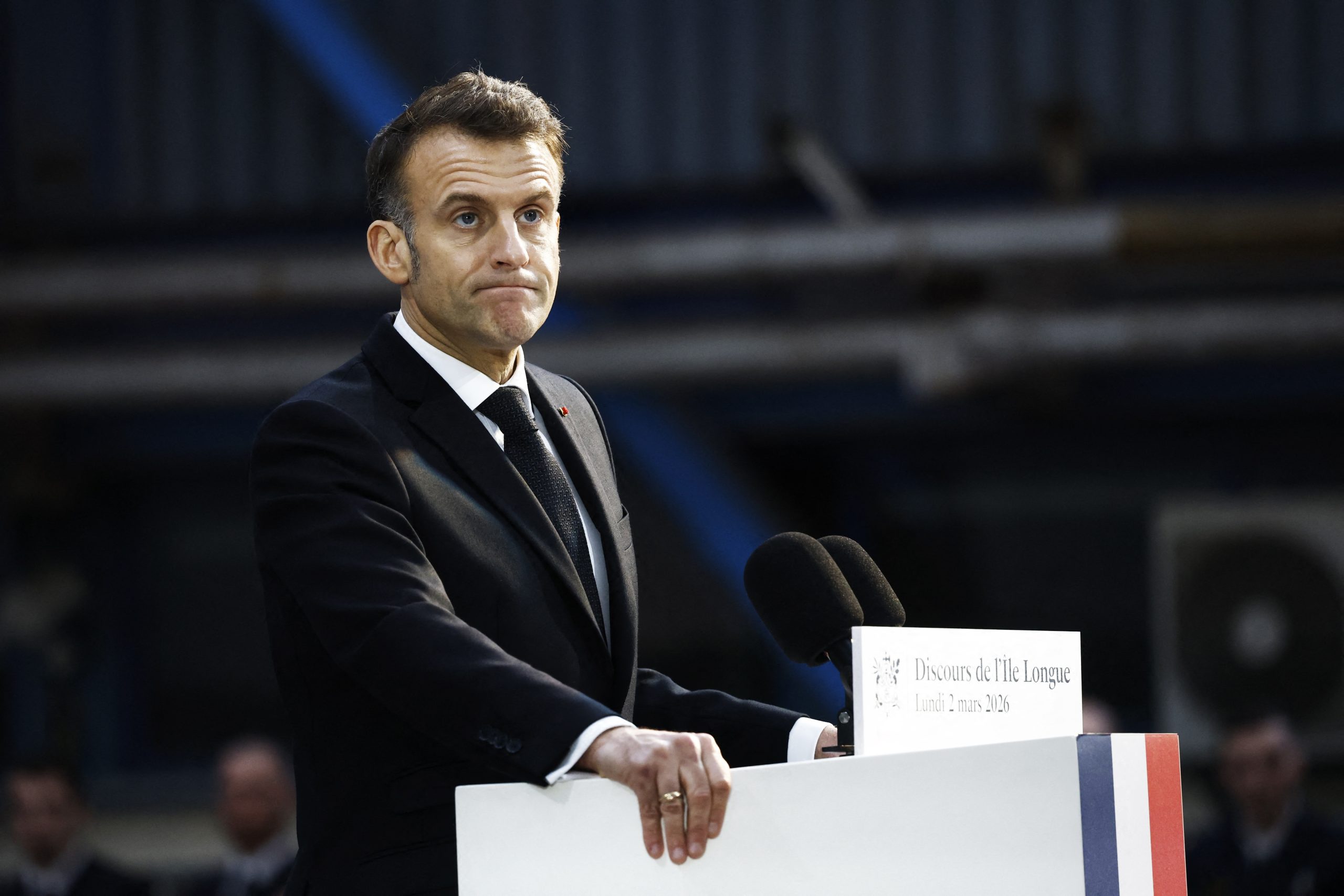
Macron’s East Africa Gamble: A Ghost Tour of Fading Influence
POLICY WIRE — Paris, France — The quiet murmur in diplomatic corridors isn’t about partnership anymore, it’s about retreat. And that’s exactly the kind of grim calculus shaping...

POLICY WIRE — Paris, France — The quiet murmur in diplomatic corridors isn’t about partnership anymore, it’s about retreat. And that’s exactly the kind of grim calculus shaping Emmanuel Macron’s latest East Africa swing. This wasn’t some grand pronouncement of a new era; it felt more like an auditing expedition, a desperate accounting for dwindling influence where Paris once called the shots. History, you see, has a stubborn way of hanging around, especially when it’s drenched in the remnants of colonial empires.
While the Elysée palace spins narratives of ‘renewed engagement’ and ‘strategic partnership,’ the reality on the ground—from Djibouti to Mozambique—feels different. You can almost smell the apprehension, the forced politeness of hosts who remember a time when France didn’t just ask nicely. For years, Paris leveraged language, culture, and, let’s be honest, military muscle, to maintain its grip across swathes of the continent. But that dominance? It’s cracking, shedding pieces like an old, overpainted wall. Other players are already inside, chipping away at the foundation, planting their own flags—sometimes literally.
It’s not just a scramble for resources. It’s a battle for hearts — and minds, one France often seems to be losing. Young Africans, particularly those in Muslim-majority nations—much like populations in South Asia’s restive corners or across the broader Islamic world—are fed up with what they perceive as patronizing gestures from their former colonizers. They don’t want lectures; they want jobs, infrastructure, — and a say in their own damn future. And other nations are giving them exactly that, often with fewer strings attached—or at least, less visible ones.
“We’re not here to dictate, but to co-build,” Macron reportedly insisted to aides before his trip, a soundbite he doubtless repeated at every stop. “Our history is complex, sure, but our future? It’s shared. We’re partners, nothing less.” Plausible, yes. But the skepticism practically hung in the humid East African air. Consider President Hassan Sheikh Mohamud of Somalia, a man acutely aware of external interventions. He’s been navigating proxy wars — and humanitarian crises for years. “France speaks of renewal, and we listen,” a source close to the Somali presidential palace quoted him saying, offering a classic diplomatic brush-off. “But the ground has shifted. Africa’s sovereignty isn’t a negotiating point; it’s a fact. We’ll engage with anyone who respects that. And who brings real, tangible benefits, not just well-worn speeches.” That’s code for: ‘Show us the money, and stop acting like you own the place.’
The numbers don’t lie, either. A recent analysis from the French Ministry of Economy and Finance showed French direct investment in East African nations, as a proportion of total foreign direct investment, fell by nearly 20% in the last five years alone, while emerging powers like China, Turkey, and even the UAE dramatically ramped up their economic footprints. It’s a cold dose of reality, isn’t it? A shrinking piece of a growing pie.
And because France’s presence has traditionally been linked to security operations and humanitarian aid—essential, no doubt—it also inadvertently reinforces the idea of Africa as a continent in perpetual need, not a continent of opportunity. But it’s also true that countries are increasingly looking east, to rising Asian and Gulf powers for investment, for trade. They’re building infrastructure without the baggage of conditionalities that often accompany aid packages from Paris or Brussels. That’s a shift the Quai d’Orsay just hasn’t fully wrapped its head around yet.
Macron’s gamble, then, is that he can redefine ‘partnership’ on French terms. He’s talking renewable energy projects, digital infrastructure, cultural exchanges. Good ideas, sure. But does Paris really possess the deep pockets, or the patient strategic vision, required to truly compete? Or is this just a frantic attempt to apply a digital plaster to a historical fracture? The French president, a man who famously doesn’t back down from a fight, is learning that some battles are unwinnable, no matter how eloquent your speeches or how sharp your suits. The African youth don’t care about a perfect lapel; they care about tomorrow’s dinner. And that’s what’s making Macron’s tour less a victory lap, — and more a weary sprint.
What This Means
This trip isn’t just about French standing; it’s a canary in the coal mine for post-colonial powers everywhere. As African nations increasingly assert their independence and diversify their alliances, the traditional leverage points for European states are dissolving. Expect to see more nuanced diplomatic plays, less overt military intervention (unless absolutely forced), and a lot more competition for influence—especially from countries that aren’t weighed down by a shared, messy past. It signals a continent on the cusp of an accelerated realignment, where ideological loyalties mean far less than pragmatic economic and security benefits. For Pakistan and other South Asian countries, watching this slow-motion divorce offers valuable lessons on balancing international relations with sovereign interests. The days of deference are over. And Europe, perhaps France especially, is just starting to grasp that. They’ll have to get used to it. The world isn’t waiting around for permission anymore.