


Hoops & Hardball: UNM’s Millions for Coaches Stir Debate on Public Investment Priorities
POLICY WIRE — Albuquerque, New Mexico — It’s a classic conundrum, isn’t it? A public university in a state that consistently grapples with socioeconomic hurdles, and the news cycle spotlights —...

POLICY WIRE — Albuquerque, New Mexico — It’s a classic conundrum, isn’t it? A public university in a state that consistently grapples with socioeconomic hurdles, and the news cycle spotlights — not groundbreaking research or a significant tuition cut — but a hefty sum earmarked for a basketball coach. The University of New Mexico, like so many state-backed institutions nationwide, is navigating an increasingly tricky financial landscape. But when the dust settled on the negotiating table recently, their priority became abundantly clear: winning games still costs a king’s ransom. And they’re willing to pay up.
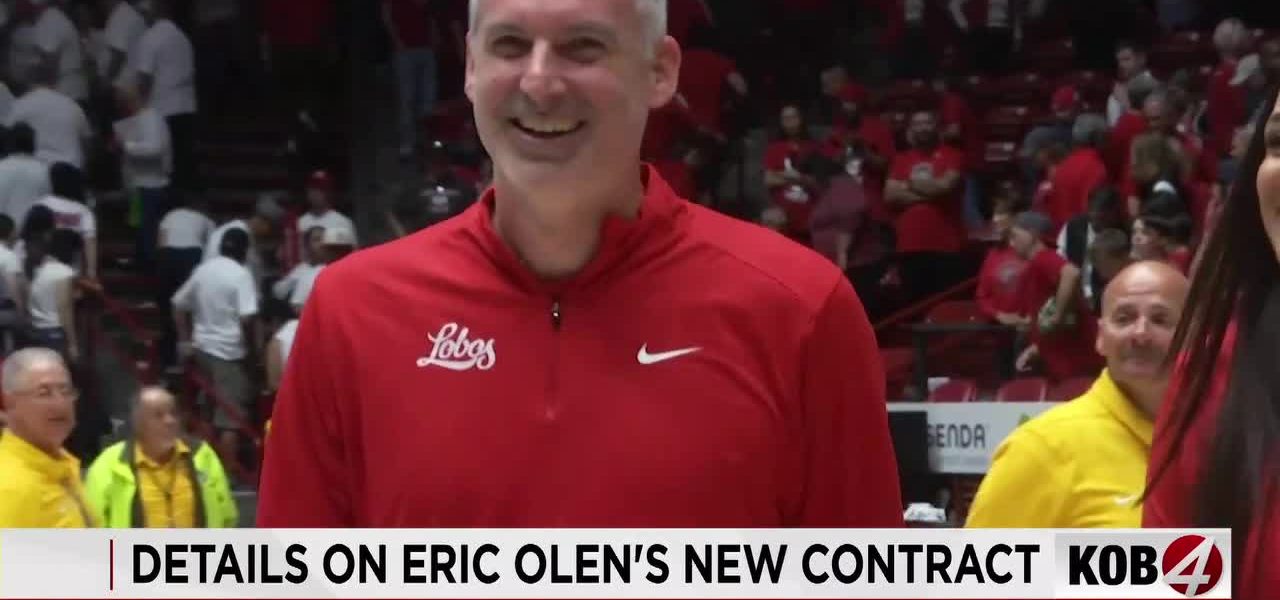
Lobo men’s basketball coach Eric Olen just inked a contract extension worth a cool $7.25 million over five years, locking him into the job at an annual clip of $1.45 million. The deal, beyond securing Olen, also throws an additional $175,000 into the assistant coaches’ salary pool. That’s a chunk of change for a program that hasn’t exactly been dominating national headlines recently. It begs the question: What message does such a commitment send about the true cost of collegiate aspirations?
For Athletic Director Ryan Berryman, it’s about a larger narrative. “It just contributes to a larger narrative that we’re serious about investment and we’re serious about success,” Berryman told reporters. It’s a familiar refrain, one whispered—or, rather, shouted—from athletic departments across the country. They’re investing in a product, a brand, something meant to elevate the entire institution.
And Olen himself, well, he plays the role perfectly. He’s pragmatic. “This place, I mean, this place is amazing, you know, I have one of the best jobs in college basketball. I’m excited to be here,” Olen commented shortly after the deal was announced. One can imagine. He’s also keen to laud his support staff. The increased assistant coaching funds? They’re for the unsung heroes. “They pour their heart — and soul into this on a daily basis, you know. So I think RB [Ryan Berryman] and our administration recognizing that and investing in them is something that was is important.” It’s a good point, but it still means a public university is essentially competing in an arms race that sees public and private funds flowing into sports at a breathtaking pace.
Consider the broader context here. New Mexico’s per capita Gross Domestic Product (GDP) currently hovers around $50,000, according to data from the Bureau of Economic Analysis. That figure puts it squarely in the middle-to-lower tier nationally. So, when the state’s flagship university allocates millions to basketball, it’s not merely a sporting decision. It’s an economic statement, a cultural declaration of where institutional prestige often trumps—or at least heavily influences—other, perhaps more traditionally academic, spending. Because, let’s be frank, athletics drive donations, they drive alumni engagement, and they certainly get eyeballs on screens, even if those eyeballs aren’t necessarily looking at academic breakthroughs.
📄 POLICY WIRE WHITEPAPER PUBLISHED: PAKISTAN'S NATIONAL SECURITY POLICY PRIORITIES
👉 READ BY CLICKING HEREIt’s not an isolated incident at UNM, either. This agreement comes hot on the heels of a similar, significant payout to head football coach Jason Eck last December. That means the university’s strategy seems less like a one-off recognition of coaching excellence and more like a deliberate, system-wide doubling down on competitive sports. And this approach isn’t unique to the American West; nations far afield, including those in South Asia, confront similar debates about how public and semi-public institutions manage investment in prestige projects, whether it’s in building grand infrastructure or nurturing sports leagues meant to put a nation on the global stage. It’s an investment strategy that carries considerable cultural weight, a gamble on pride and visibility that extends far beyond the final score. Even the discussions around global sporting events, such as those that underpin discussions on football’s complex financial web, mirror this balancing act of national prestige versus practical application.
What This Means
This substantial investment signals UNM’s firm commitment to competing at the highest levels of collegiate athletics, effectively branding the sports programs as a critical, high-dollar public face for the university. The political implication is clear: even in states with diverse and pressing economic needs, sports serve as a powerful—if sometimes controversial—avenue for public relations and institutional identity. Economically, these sorts of deals inflate the market for coaching talent across the board. They also force universities to continually re-evaluate their revenue streams, with increasing pressure on booster clubs, media rights deals, and student fees to underwrite these burgeoning contracts. It also represents a stark acknowledgement that, for many public institutions, competitive sports aren’t just an extracurricular—they’re a significant component of their overall operating model. But don’t mistake this for purely altruistic institutional generosity. It’s hard-nosed business, a strategic bet that success on the court will translate into applications, donations, and, perhaps, a degree of statewide goodwill money simply can’t buy. Olen’s vision, he claims, is beyond mere conference championships. “We want to compete for championships in the New Mountain West. But we don’t necessarily want to limit ourselves to the conference, right? We want to compete beyond that,” he said. That kind of talk, even when focused on an athletics team, speaks volumes about the grander ambitions a university has for its overall brand, no matter where you are. And it doesn’t get much more ambitious than that, does it?