


Mount Marapi’s Harsh Whisper: When Nature’s Allure Becomes a Grave Reminder
POLICY WIRE — West Sumatra, Indonesia — The lure of the summit, it’s an ancient song. Humans, they’ve always been drawn to the planet’s dramatic edges, to stand where earth meets sky—even when...

POLICY WIRE — West Sumatra, Indonesia — The lure of the summit, it’s an ancient song. Humans, they’ve always been drawn to the planet’s dramatic edges, to stand where earth meets sky—even when those edges rumble with primal fury. This week, Indonesia’s Mount Marapi, a seemingly tranquil giant, decided it was done with just rumbling. Its sudden, violent eruption didn’t merely inconvenience. No, it ended three lives, reminding everyone that sometimes, ambition on a trail is just an invitation to tragedy. Authorities confirmed the recovery of three bodies from the volcano’s slopes, with at least a dozen other hikers still unaccounted for, days after ash and rock burst skyward.
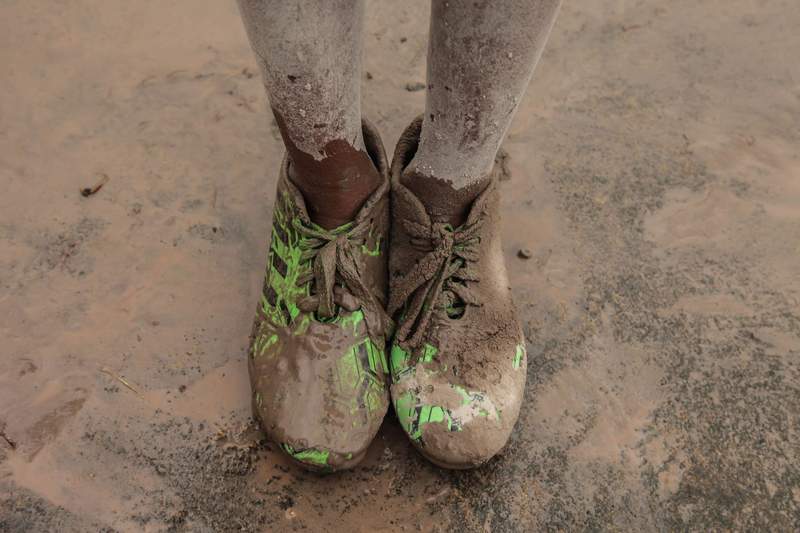
It’s a scene replayed too often in the ‘Ring of Fire.’ Mount Marapi, a deceptively popular spot for trekkers, gave little preamble. Suddenly, incandescent material, ash plumes reaching nearly two miles high, and the crushing reality of nature’s indifference. Think about that for a second. One minute, you’re looking at a vista, probably snapping a photo; the next, the ground beneath you turns molten and volatile. It’s a quick, brutal kind of lesson, isn’t it? Rescuers, working under daunting conditions—the air thick with ash, the ground treacherous—are sifting through what’s left, a grim search for the living among the silent fallen.
Dodi Sukmana, the exasperated head of West Sumatra’s Disaster Mitigation Agency, didn’t mince words. “We warn. We plead. But the allure of these giants, she’s potent, isn’t she?” he mused, a weary note in his voice during a press briefing. “We do what we can, but nature, she doesn’t negotiate.” His agency, like many others across Indonesia’s volcanic belt, is stretched thin. They’ve got their hands full; always have. It’s a constant battle of public awareness versus human adventurousness.
This isn’t an isolated incident. Indonesia, by the way, sits on the ‘Ring of Fire,’ hosting 127 active volcanoes – more than any other nation on Earth, according to data from the U.S. Geological Survey. That’s a lot of potential catastrophe just simmering. But what’s really striking is how regularly such events snag a headline, then fade, only to be replaced by the next tremor or plume. The economy of regional tourism, for instance, often bumps up against these geologic realities. There’s money to be made from those dramatic peaks, absolutely. But there’s also risk. Significant, existential risk, as this eruption so starkly demonstrates.
And it’s a dynamic we see across Asia, really. From the earthquake-prone Himalayas affecting Pakistan’s north to Indonesia’s fiery peaks, these regions share a geological fate, and often, similar challenges in terms of managing natural disaster risk. Resources, surveillance technology, public education – they’re not infinite. For countries like Indonesia, where faith and folk traditions often mingle with scientific warnings, striking the right balance can feel like a fool’s errand. Sandiaga Uno, Indonesia’s Minister of Tourism and Creative Economy, expressed a sentiment echoed across many capitals dependent on such natural wonders. “Our landscapes, they draw the world,” he acknowledged. “But that beauty comes with a deep responsibility. For everyone involved. This is a bitter lesson, — and we’re going to need to look hard at how we balance access with absolute safety.”
📄 POLICY WIRE WHITEPAPER PUBLISHED: PAKISTAN'S NATIONAL SECURITY POLICY PRIORITIES
👉 READ BY CLICKING HEREBecause ultimately, these aren’t just natural phenomena. They’re tests of policy, of human resolve, — and of our sometimes-naïve belief in control. How do you really control a mountain that decides to cough up hot rocks? You don’t. You mitigate, you monitor, you pray. And when it doesn’t work, you pick up the pieces.
What This Means
The tragedy at Mount Marapi extends far beyond the immediate casualty count. Economically, even short-term closures and travel advisories can hit regional tourism hard—a sector Indonesia and other Southeast Asian nations like it rely heavily upon. This event forces a re-evaluation of current safety protocols and the enforcement of restricted zones, which too often are seen by thrill-seekers as mere suggestions, not life-saving decrees. There’s a tricky tightrope act for governments: how do you market your country’s natural beauty without inadvertently putting visitors, both domestic and international, in harm’s way? This incident will likely spark internal policy debates on public liability, tour operator responsibilities, and the psychological draw of extreme adventure. The implications ripple out to neighboring Muslim-majority nations that share geological challenges, like Iran’s volcanic ranges or even the tectonic instability felt in parts of Afghanistan and Pakistan. The lesson isn’t just for Indonesia; it’s a global primer on perpetual peril and preparedness. It asks us, too, about our collective risk appetite and how society gauges acceptable danger, a calculus that often mirrors what we’ve seen in places testing human expectations against harsh realities.
For the authorities, it’s not just about rescuing lost hikers. It’s about restoring a semblance of order and faith in systems that sometimes feel terribly, inevitably small when faced with a furious earth. They’ve got their work cut out for them, don’t they? And the mountain, she’ll just keep standing, indifferent to human folly — and sorrow alike.