

Trump’s Grand Debt Reshuffle: A Treasury Takeover, Or Just a Shell Game?
POLICY WIRE — Washington, D.C. — The sprawling, often labyrinthine apparatus managing America’s prodigious student debt — a leviathan of private servicers, federal guarantees, and digital...

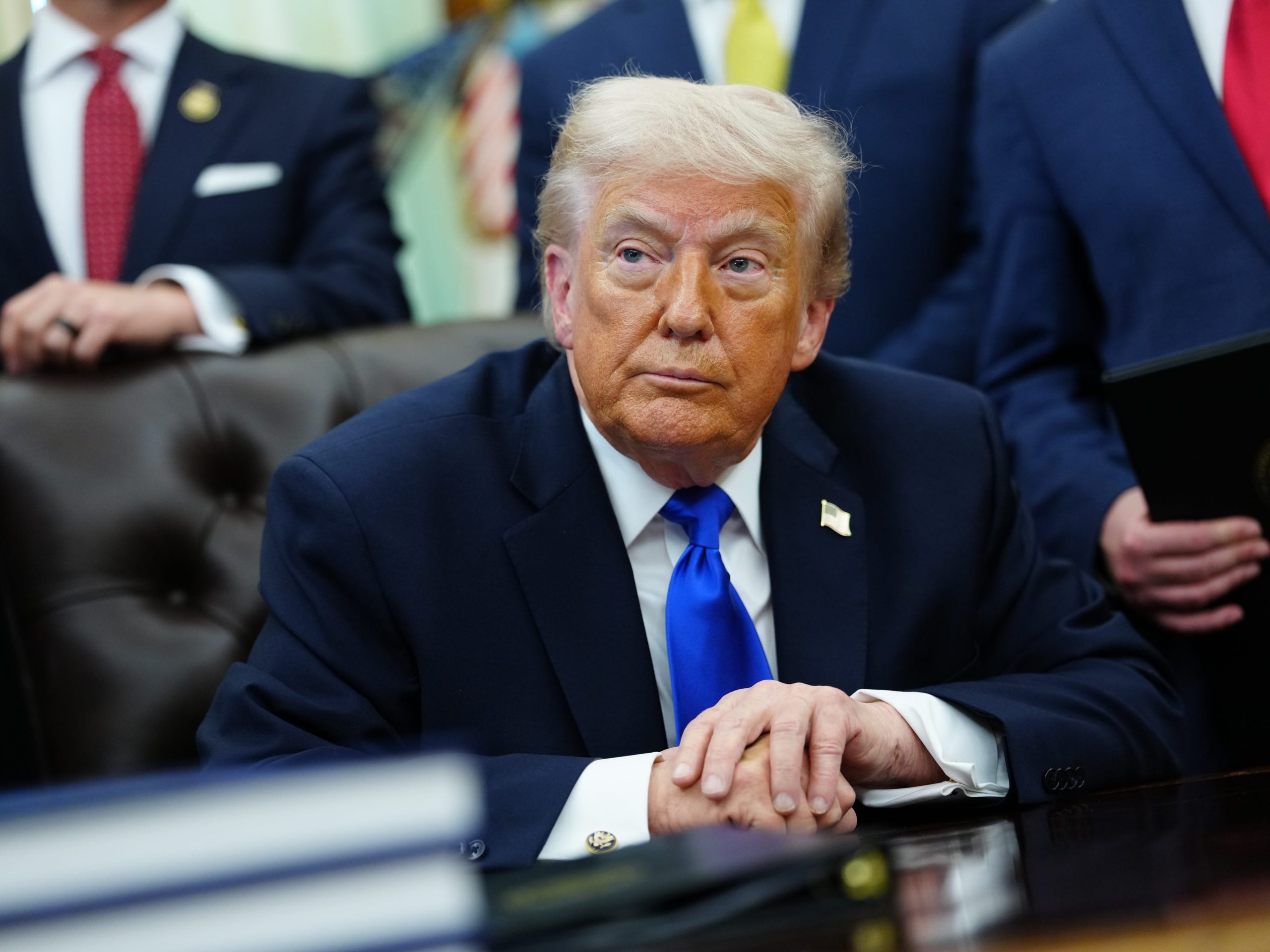
POLICY WIRE — Washington, D.C. — The sprawling, often labyrinthine apparatus managing America’s prodigious student debt — a leviathan of private servicers, federal guarantees, and digital processing — may soon face its most radical proposed overhaul. Forget incremental policy tweaks; a potential Trump administration is reportedly preparing to re-route the entire federal student loan portfolio, totaling some $1.7 trillion, directly into the U.S. Treasury’s own bureaucratic maw. It isn’t merely a change in administrative plumbing; it’s a seismic shift, a reassertion of central control that could reshape the lives of millions of borrowers and reverberate far beyond Washington’s Beltway.
At its core, the initiative, quietly in the works, aims to consolidate the operational behemoth currently handled by a patchwork of contractors under the Department of Education. Proponents argue this centralization promises unprecedented efficiency, trimming overheads, and simplifying a system many perceive as opaque and borrower-unfriendly. But critics contend it’s a cunning fiscal maneuver, one that could strip away crucial consumer protections while further weaponizing an already politicized financial instrument.
The concept, while bold, isn’t entirely novel. For years, various lawmakers — and policy wonks have mused about the merits of direct federal servicing. And now, sources close to the former president’s campaign suggest this long-gestating idea is nearing fruition. They’re convinced it’s the ultimate bureaucratic drain-cleanser.
“This isn’t about handouts; it’s about efficiency and accountability,” shot back Steven Mnuchin, the former Treasury Secretary, in a recent private briefing. “The current system is a bureaucratic swamp, rife with waste — and conflicting interests. We’re draining it, plain and simple, ensuring taxpayers and borrowers both get a better deal.” His perspective, while consistent with a desire for streamlined government, bypasses the inherent complexity of managing such a diverse and financially vulnerable population.
But the practicalities, as ever, are considerably murkier. Transferring millions of individual accounts, each with its own repayment history, deferment status, and — let’s be honest — emotional baggage, is a colossal undertaking. The sheer technological lift alone would be monumental, prone to glitches and, perhaps, even prolonged payment dislocations. Still, the prospect tantalizes those who believe the government can, and should, wield direct control over this massive financial leverage.
And then there’s the political optics. For years, student debt has been a hot-button issue, a perennial campaign promise, — and a symbol of economic inequity. The Biden administration’s attempts at broad-scale forgiveness have faced legal hurdles, often leaving borrowers in limbo. This Treasury transfer, its architects hope, presents a different narrative: one of administrative competence rather than fiscal largesse. But don’t be fooled; there’s plenty of politics baked right into its financial crust.
“Shifting these loans to the Treasury isn’t a solution; it’s a shell game designed to obfuscate responsibility and potentially gut consumer protections,” Senator Elizabeth Warren (D-MA), a vocal advocate for borrowers, countered sharply in a statement to Policy Wire. “It’s a fiscal sleight of hand that risks replacing private sector incompetence with an even more formidable, less accountable government bureaucracy. Borrowers deserve genuine relief, not a bureaucratic shuffle.” Her assessment underscores the deep partisan chasm that divides approaches to this pervasive economic burden.
The implications extend beyond U.S. borders, too. Nations grappling with their own debt crises — like Pakistan, currently navigating the treacherous waters of IMF conditionalities — closely observe how the world’s largest economy manages its internal fiscal challenges. A move perceived as either a pragmatic consolidation or a risky gamble with financial stability could subtly influence investor confidence or even the terms of international lending to developing nations. It’s a signal, however faint, about how a global superpower perceives — and manages its obligations.
Behind the headlines, there’s the very real question of what becomes of the private servicers — entities like Nelnet or MOHELA — that currently handle the day-to-day management of federal loans. Their contracts, often lucrative, would presumably be terminated or drastically reduced. This isn’t just about jobs; it’s about displacing a significant private sector industry that has, for better or worse, become an embedded part of the federal financial infrastructure. It’s an act of bureaucratic demolition, one with profound economic repercussions for those firms.
The total outstanding student loan debt in the U.S. has ballooned to over $1.7 trillion, as consistently reported by the Federal Reserve. Moving such a colossal sum, — and the complex payment streams it represents, is an administrative Everest. Whether the Treasury, an agency primarily focused on fiscal policy and federal revenue, is equipped for the intimate, often empathetic, task of loan servicing remains a pivotal question. They’re accustomed to moving mountains of money, but perhaps not individual molehills of hardship. This proposed shift isn’t just about debt management; it’s about the fundamental nature of government intervention in personal finance.
What This Means
Should this ambitious plan proceed, the political — and economic fallout would be immediate and far-reaching. Politically, it represents a bold, even audacious, attempt by a potential Trump administration to stamp its authority on a critical domestic policy area, sidestepping the legislative gridlock that often stalls debt relief efforts. It allows for executive action to dramatically alter the landscape of student lending, leveraging bureaucratic control as a substitute for congressional consensus. It also frames the debate in terms of governmental efficiency and taxpayer protection, a popular conservative talking point, rather than direct student aid.
Economically, the implications are profound. Centralizing loan servicing within the Treasury could, in theory, lead to genuine cost savings by eliminating the profit margins of private servicers. However, it also introduces significant operational risks: the potential for technological failures during transition, the need for massive new federal hiring and training, and the complete absence of a competitive market for servicing innovation. Without private sector competition, there’s a genuine concern about diminished service quality and reduced borrower advocacy. this move could politicize debt repayment even more acutely, making every missed payment or forbearance request a direct interaction with the federal government, potentially inviting more direct political pressure on repayment policies. It’s a calculated gamble on administrative capacity versus established, albeit flawed, private sector involvement, a strategy that echoes the kind of centralized power play seen in Alberta’s separatist rumblings — a quest for control, whatever the cost to existing structures.