


Ghost Ship’s Passage: How One Tanker’s Journey Through Hormuz Whispers Global Anxiety
POLICY WIRE — Seoul, South Korea — It wasn’t a grand naval parade, nor a diplomatic spectacle meant for global headlines. Just another vessel, laden with crude, cutting its quiet path through...

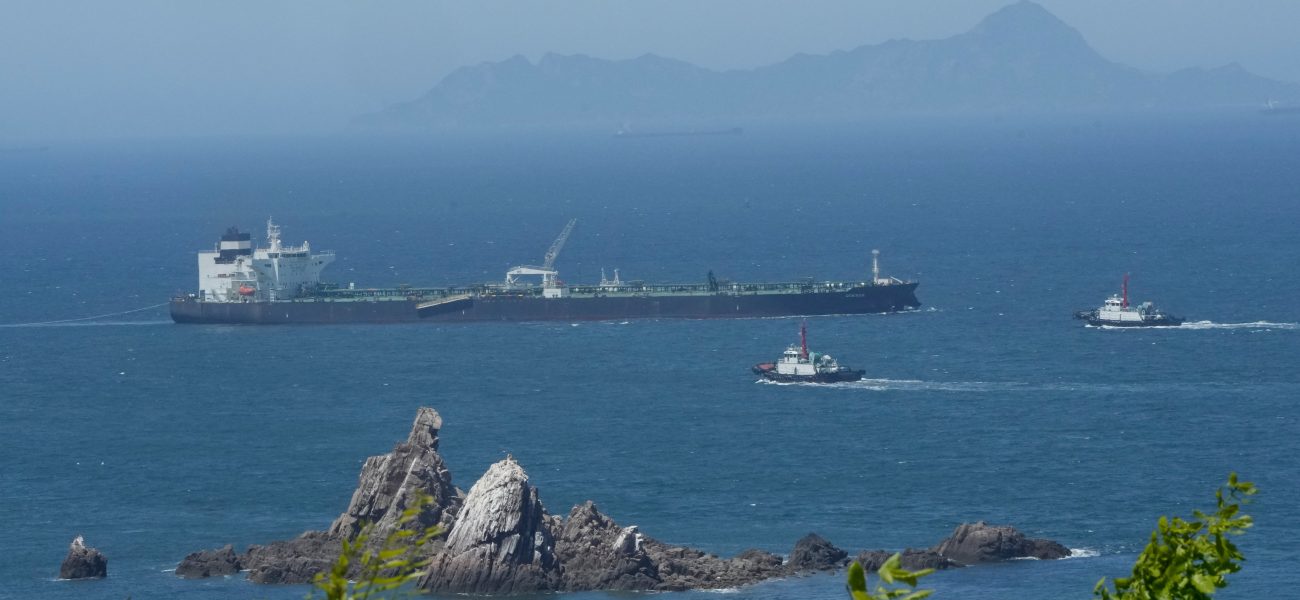
POLICY WIRE — Seoul, South Korea — It wasn’t a grand naval parade, nor a diplomatic spectacle meant for global headlines. Just another vessel, laden with crude, cutting its quiet path through the world’s most precarious maritime choke point in mid-April. This particular oil tanker, slipping unceremoniously through the Strait of Hormuz before making port in South Korea, completed what ought to be a routine commercial run. But these days, routine is anything but. This voyage, like countless others, silently charts the escalating geopolitical tremors rocking the Gulf, laying bare the gnawing anxiety that underpins our interconnected global economy. No trumpets blared. But the sighs of relief? They were almost audible.
See, every ripple in those waters echoes in ministries — and boardrooms half a world away. Because when Iran flexes—or threatens to flex—its muscles near that narrow 21-nautical-mile passageway, nations that rely on its black gold clench. They clench hard. South Korea, a manufacturing powerhouse that runs almost entirely on imported energy, knows this dance intimately. It’s a high-stakes, breathless wait every single time.
“We don’t just count barrels; we measure the security of our industries, the warmth in our homes,” stated South Korean Energy Minister Kim Min-jun, his eyes narrowed, reflecting on the nation’s profound reliance. “Every tanker’s safe arrival isn’t just logistics; it’s national resilience. We can’t afford a single hiccup, not a single one.” And that’s the rub, isn’t it? The sheer fragility of it all.
But the anxiety isn’t confined to East Asia. Nations across the Muslim world—from oil producers that export via the Strait to energy importers like Pakistan—are acutely sensitive to the ebb and flow of stability in this region. Pakistan, for instance, a country often walking a financial tightrope, views disruptions in the Strait not just as a global oil shock, but as a direct existential threat to its economy and domestic stability. It’s their lifeline, their primary energy artery for everything from transportation to power generation. A price spike or a supply snag, however minor globally, can push millions closer to the brink there. The cost of living—already a brutal beast for so many—only worsens. But no one’s really listening.
Approximately one-fifth of the world’s total petroleum consumption, or about 21 million barrels per day, passed through the Strait of Hormuz in 2023, according to the U.S. Energy Information Administration (EIA). That’s a statistic that doesn’t just inform policy; it dictates it. It screams vulnerability in plain, stark numbers. Imagine disrupting that. Imagine the fallout.
“The Strait of Hormuz remains the world’s most congested, most nervously watched energy artery,” remarked Dr. Amir Hashmi, a Riyadh-based geopolitical strategist, over a secure line, his tone grim. “One miscalculation, one rogue actor—and the global economy catches fire. It’s that simple, and that terrifying. The margin for error is effectively zero.” And what scares everyone, or should, is how often that zero margin gets tested.
📄 POLICY WIRE WHITEPAPER PUBLISHED: PAKISTAN'S NATIONAL SECURITY POLICY PRIORITIES
👉 READ BY CLICKING HEREBecause ultimately, these tanker transits are more than mere movements of cargo. They’re silent barometers of peace, indicators of how precariously balanced our modern world actually is. Each successful journey through those contested waters is, in effect, a collective exhaled breath for a global community—one that just can’t quit its fossil fuel habit, not yet. We live, it seems, at the mercy of calm waters. And the temperament of a few, very powerful nations.
What This Means
The successful passage of a single oil tanker, particularly at a time of heightened tensions between Iran and various Western allies, sends a layered message to markets and policymakers alike. Economically, it offers momentary reassurance that the immediate threat to supply lines has—for now—subsided. But don’t let that fool you. The underlying fragility, that pervasive sense of geopolitical risk that’s become an unfortunate new normal, remains front and center. For economies heavily reliant on imported hydrocarbons, like South Korea’s or Pakistan’s, this translates into an enduring headache of supply chain diversification challenges and soaring insurance premiums for maritime shipping, essentially baking higher costs into everything from manufactured goods to everyday necessities. It’s a drag on growth, pure and simple. For a deeper look at global flashpoints, consider reading Borderlines Bleed: Hezbollah Strikes Fuel Escalation Fears as Lebanon Suffers, Region Holds Breath. And on the political front? Every uneventful transit offers a small, fleeting window for diplomacy—or for continued escalation, depending on how you see things—buying time but solving absolutely nothing fundamental. Regional players, particularly the Gulf Cooperation Council states, find themselves in an ongoing tightrope walk, attempting to balance their economic interests with the ever-present specter of military confrontation. The tanker might have arrived, but the global nervous twitch? That’s going nowhere fast. This saga of the seas? It’s really the human one, playing out daily. For insights on how perceptions shape reality, check out Illusions of Influence: How Nature’s Con Artists Inform Policy and Power.