


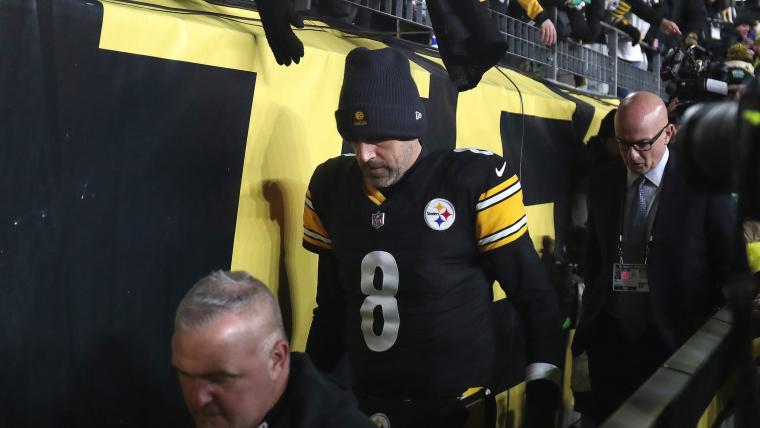
The Ghost in the Machine: Steelers’ Rodgers Pursuit Exposes Modern Sports’ Absurdist Theater
POLICY WIRE — Pittsburgh, PA — A quarterback of Aaron Rodgers’ pedigree, a player whose name echoes in arenas from Green Bay to the global fan strongholds of Karachi, Pakistan, doesn’t...

POLICY WIRE — Pittsburgh, PA — A quarterback of Aaron Rodgers’ pedigree, a player whose name echoes in arenas from Green Bay to the global fan strongholds of Karachi, Pakistan, doesn’t just vanish. He shouldn’t, anyway—not when a top-tier NFL franchise, the Pittsburgh Steelers, is allegedly bending over backward to sign him. But here we’re. When General Manager Omar Khan — the man ostensibly in charge of such vital intel — publicly confessed to not knowing Rodgers’ exact whereabouts, the collective eyebrow of the sporting world rose a collective millimeter. And just like that, what should be a straightforward contract negotiation for the 2026 season morphs into a high-stakes, slightly farcical game of hide-and-seek, live on a national stage.
It’s a peculiar twist, isn’t it? Rumors flew thick and fast last Thursday, pinning the future Hall of Famer on a collision course with the Steel City this past weekend. He was coming, folks believed. He really was. But come Friday morning, Khan — looking about as thrilled as a pundit forced to cover kickball — offered a terse, eyebrow-raising clarification. “Yeah, you know, I don’t know where specifically Aaron is.” He said it, just like that. In a world where every move a top athlete makes is often meticulously tracked, analyzed, and even monetized, this admission wasn’t just unusual; it was an organizational head-scratcher of monumental proportions. It begs the question: if the team hoping to build its immediate future around him doesn’t have a reliable GPS pin, who does? Maybe only his yogi, for all we know.
But this isn’t just about a famous person playing coy. No, it’s far richer than that. The optics here are… well, they’re not great. To have leaks suggesting an imminent high-profile visit, only to be publicly contradicted by the very architect of the roster, makes the franchise appear dishevelled. Unprepared, even. Especially when the alternatives warming the bench aren’t exactly household names, or even second-tier local heroes. We’re talking Mason Rudolph, Will Howard, — and Drew Allar. Decent players, sure, but none who inspire the kind of fear in opposing defenses—or the confidence in their own fan base—that a Rodgers, even an older model Rodgers, still can.
“This whole spectacle,” mused long-time player agent Sheila Rahman, a veteran negotiator who’s seen plenty of this sort of brinkmanship in her decades navigating NFL contracts, “it’s pure leverage. Rodgers knows his value, even if he isn’t the supernova he once was. He’s an investment, a brand, and these franchises—they’re hungry for that marketability. They’re all trying to catch that lightning in a bottle, and the athletes, they know it.” It’s a dance, full of calculated misdirections and feigned nonchalance, designed to maximize advantage before the ink dries on those monstrous multi-million-dollar deals. And don’t forget the media scrum — the sheer narrative power a single player can wield over an entire news cycle, creating a kind of manufactured uncertainty that drives clicks and viewership. This isn’t just sport; it’s a content farm.
Khan, for his part, played the long game during an earlier chat, stating: “We continue to have conversations and they’re positive and, you know, we had a good experience with him last year, and, you know, I think he would probably echo the same thing and, you know, conversations continue.” It’s classic diplomacy, of course. All smiles, no substance. A carefully constructed facade hinting at progress where, clearly, there’s nothing but radio silence—at least regarding travel plans.
📄 POLICY WIRE WHITEPAPER PUBLISHED: PAKISTAN'S NATIONAL SECURITY POLICY PRIORITIES
👉 READ BY CLICKING HEREFor the Steelers, it’s about more than just finding a decent arm for Sundays; it’s about stability. Last season’s drawn-out negotiation for Rodgers’ previous contract was painful. The hope this time was for a swift, painless transaction, a polite handshake before things get too chilly. Not exactly happening. But then, is anything ever simple when an aging superstar is involved?
What This Means
The Aaron Rodgers disappearing act, however brief, offers a pungent insight into the current state of professional sports economics and athlete influence. This isn’t just a quaint little anecdote; it’s a policy conundrum. For franchises like the Steelers, the hunt for a marquee quarterback isn’t merely about wins and losses; it’s a direct determinant of revenue streams, from ticket sales and merchandise to lucrative broadcasting deals. Consider the global valuation: the average NFL team now stands at approximately $5.1 billion, according to Forbes’ 2023 report. That’s an insane amount of money riding on performances—and often, personalities—of players. An elite quarterback can add hundreds of millions to that valuation, influencing everything from sponsorship attractiveness to the sheer optimism a fan base carries, which translates into spending. But it also means those players hold unprecedented sway.
From a broader economic perspective, the high-wire act of such negotiations highlights a fascinating power inversion. Historically, clubs held nearly all the cards. Today, iconic athletes—much like popular political figures in fragmented societies, say, those commanding intense loyalty even after being removed from power in Islamabad—possess a unique currency. Their personal brand often rivals, or even eclipses, the institutional brand they play for. This dynamic can complicate managerial efforts, pushing operational decisions towards public relations exercises rather than purely strategic moves. This saga reveals how the pursuit of talent, especially one with a well-established mystique like Rodgers, forces even highly sophisticated organizations into reactive, rather than proactive, postures. They’re effectively bidding against public perception and, often, the player’s own idiosyncratic demands, for stability and a viable competitive future. This phenomenon isn’t confined to American football; we see echoes of it in European football’s superstar transfers, where a single player’s leverage can dictate a club’s economic calculus for years. It’s a game of brinkmanship where silence—or perceived unavailability—can be the loudest negotiation tactic of all. The NFL’s own global expansion plans hinge on such marketable figures. If teams can’t even locate them, there’s a crack in the gleaming edifice of corporate sports management.