

Atlanta’s Crown Jewel Cracks: Acuña Jr. Injury Unmasks MLB’s Precarious Global Economic Blueprint
POLICY WIRE — DENVER, USA — Sometimes, the most potent symbols of strength betray the deepest vulnerabilities. The Atlanta Braves, baseball’s undisputed juggernaut, stood atop the...

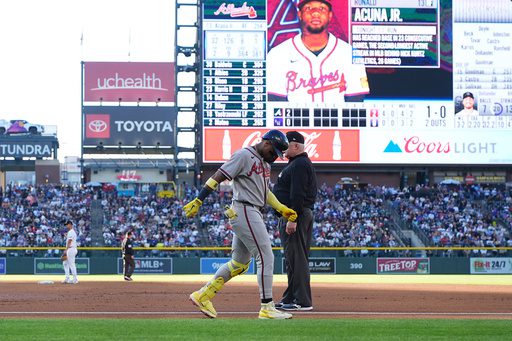
POLICY WIRE — DENVER, USA — Sometimes, the most potent symbols of strength betray the deepest vulnerabilities. The Atlanta Braves, baseball’s undisputed juggernaut, stood atop the league with a formidable 24-10 record, a testament to their meticulously assembled roster and ruthless efficiency. But the seemingly impenetrable veneer of success fractured with a single, searing grab at a left hamstring. Ronald Acuña Jr., the reigning National League MVP and the very embodiment of explosive athleticism, is now sidelined, his absence a sudden, stark reminder that even multi-billion dollar enterprises hinge on the ephemeral health of human tissue.
It wasn’t a dramatic collision, nor a reckless slide; it was the quiet agony of an athlete pushing past a limit. During Saturday night’s contest, chasing a routine ground ball, Acuña pulled up short, grabbing his hamstring—a sight all too familiar in the brutal, unrelenting theatre of professional sports. Just like that, the dynamo who’d appeared in every one of the Braves’ 34 games this season, defying the ghosts of a torn ACL from merely a year prior, was relegated to the 10-day injured list. It’s a cruel twist, really; a player famed for his resilience, now hobbled by the very intensity that defines him.
And so, the Braves, an organization that’s grown accustomed to Acuña’s electrifying presence—his .252 batting average, two home runs, nine RBIs, 17 runs, and league-leading seven steals were just the surface of his impact—must pivot. They’ve activated right-hander Spencer Strider, another erstwhile All-Star returning from his own strained oblique, a tactical move designed to bolster their pitching rotation. But replacing Acuña’s offensive firepower — and defensive brilliance? That’s a different calculus entirely. They’ve also called up outfielder José Azócar from the minors, a testament to the ever-churning depth chart reshuffling that defines modern baseball.
“Look, nobody wants to see anyone go down, especially Ronnie,” Braves Manager Brian Snitker opined, his voice carrying the weary resignation of a man who’s seen it all. “But we’re a resilient club. We’ve weathered storms before, — and we’ll do it again. It’s next man up, always.” His words echo the stoic mantra of every professional sports outfit, but don’t diminish the gnawing uncertainty such an injury precipitates. It doesn’t just affect the clubhouse; it reverberates far beyond the stadium walls.
Still, the implications extend globally, touching on the delicate machinery of sports economics and the global pursuit of raw talent. Dr. Zara Ali, Director of Sports Economics at the Georgetown Institute for Global Policy, didn’t mince words. “An injury to a player of Acuña’s caliber isn’t just a blow to the team; it’s a tremor across a multi-billion dollar ecosystem,” she explained. “From broadcast rights in burgeoning international markets—where MLB is desperately trying to gain traction—to the burgeoning sports betting industry, the ripple effects are considerable. It underscores the precariousness of investing so heavily in singular athletic brilliance, particularly when trying to expand a sport’s global footprint.”
Consider the expansive reach of American sports. Major League Baseball, like other dominant leagues, isn’t solely focused on domestic viewership anymore. It’s actively, aggressively courting international markets, some of which (like those in South Asia or the broader Muslim world) are already captivated by other athletic pursuits, primarily cricket. When a marquee talent like Acuña Jr. is sidelined, it doesn’t just diminish the on-field product; it momentarily dulls the luster of the global brand. How does one sell the excitement of baseball to a cricket-mad audience in Karachi or Dubai when its most dynamic ambassador is watching from the dugout?
📄 POLICY WIRE WHITEPAPER PUBLISHED: PAKISTAN'S NATIONAL SECURITY POLICY PRIORITIES
👉 READ BY CLICKING HEREThis incident also spotlights a universal policy challenge: athlete welfare. In nations across the globe, from the burgeoning professional leagues in Pakistan to the established giants of European football, the health and longevity of athletes are paramount, but often secondary to immediate competitive demands. It’s an unequal gauntlet of professional sports, where the physical toll is immense. Organizations are constantly balancing peak performance with preventative care, and sometimes, even the most advanced sports medicine can’t circumvent the inevitable.
What This Means
At its core, Acuña Jr.’s injury isn’t merely a baseball story; it’s a case study in the fragility of modern sports economics and the evolving policy landscape surrounding elite athletes. For the Braves, the immediate concern is navigating the next ten days—or longer, depending on the severity of the strain. They’re a deep team, yes, but no roster is truly injury-proof. The economic impact could be substantial, affecting everything from local ticket sales to national broadcast ratings. A drop in viewership during a star’s absence translates directly into lost advertising revenue for networks, a ripple that can eventually affect future rights negotiations.
But the broader implications are perhaps more consequential. This episode will undoubtedly reignite debates within MLB circles—and indeed, across professional sports globally—about player workload management, the efficacy of preventative conditioning protocols, and the financial structures underpinning athlete contracts. Is it sustainable for teams to invest hundreds of millions in players whose careers can be derailed by a single misstep? How do you insure against such unpredictable, debilitating blows? These aren’t just questions for general managers; they’re policy dilemmas for commissioners and league officials attempting to safeguard the integrity and financial viability of their respective sports. It’s a precarious balance, one that the Braves, — and indeed MLB, will be grappling with for the foreseeable future. They’ve just been handed a very expensive, very painful lesson in human fallibility.