


The Brutal Calculus of Professional Sports: Orlando Magic’s Swift Coaching Ejection
POLICY WIRE — Orlando, USA — The guillotine descended on Jamahl Mosley’s tenure as head coach of the Orlando Magic with a speed that startled few seasoned observers of professional sports. It...

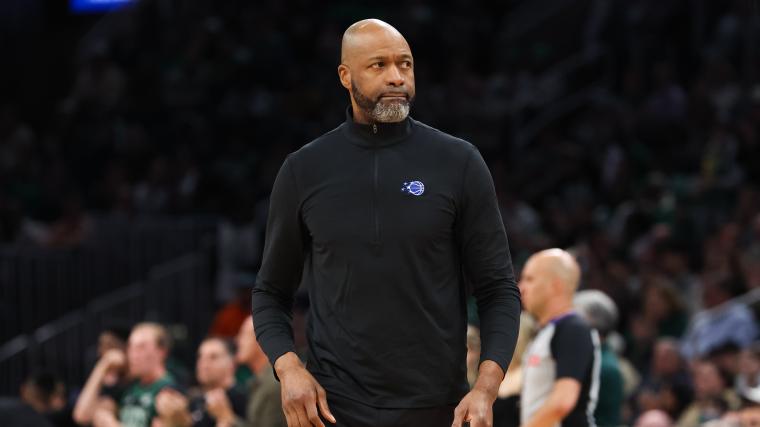
POLICY WIRE — Orlando, USA — The guillotine descended on Jamahl Mosley’s tenure as head coach of the Orlando Magic with a speed that startled few seasoned observers of professional sports. It wasn’t the public collapse of a dynasty, nor a locker room mutiny that sealed his fate, but the cold, clinical arithmetic of a Game 7 loss – after holding a commanding 3-1 series lead – that ultimately rendered his position untenable. The NBA, like any hyper-capitalist enterprise, operates on an unforgiving timeline, and Mosley, despite nurturing a young roster to three playoff berths in five seasons, simply ran out of runway.
It’s a peculiar spectacle, isn’t it? A coach, widely credited with developing emerging talent like Paolo Banchero, suddenly deemed surplus to requirements not because of incompetence, but because the next hurdle – escaping the first round – remained stubbornly unconquered. The Magic’s ownership, having poured significant capital into its roster, including a substantial trade last summer that saw multiple first-round picks jettisoned for Desmond Bane, demanded a more immediate, tangible return on investment. And when that return didn’t materialize against the Detroit Pistons in a series many expected them to win handily, the axe fell. It’s a stark reminder that in this league, effort often isn’t enough; only unequivocal results truly matter.
Behind the headlines of coaching changes and player transfers lies a deeper, more profound narrative about the ruthless efficiency demanded by modern sports franchises. These aren’t just teams; they’re billion-dollar global brands, their success or failure measured in ticket sales, broadcast rights, merchandise, and the fickle affections of an increasingly international fanbase. For the Orlando Magic, the quest for a first-round exit breakthrough isn’t merely a sporting ambition; it’s an economic imperative. Since the 2010 postseason, the Orlando Magic haven’t advanced past the first round, a 14-year drought that underscores the escalating pressures on coaching staffs in today’s NBA (Source: Basketball-Reference.com).
And so, as the dust settles, the search begins anew. The Magic are now on the hunt for a new architect, someone who can finally shepherd this promising, albeit inconsistent, squad deeper into the postseason. It’s a position fraught with peril, a hot seat in all but name, where the window for proving one’s worth shrinks with each passing season. They’ve assembled a core that’s buzzed about, sure, but potential doesn’t pay the bills or satisfy the rapacious hunger for immediate glory.
“Our objective remains singular: championship contention. While Jamahl brought significant energy and dedication, our recent postseason outcomes simply didn’t align with the substantial investments we’ve made in this franchise, both on the court and in our infrastructure,” shot back Magic President of Basketball Operations, John Hammond, in a remarkably terse statement to Policy Wire. “It’s a results-driven business, ultimately, and we owe it to our fans and our ownership to continually strive for excellence.” His words, clipped and devoid of sentimentality, echoed the prevailing ethos of corporate efficiency.
📄 POLICY WIRE WHITEPAPER PUBLISHED: PAKISTAN'S NATIONAL SECURITY POLICY PRIORITIES
👉 READ BY CLICKING HEREBut what of Mosley himself? A source close to the ousted coach, speaking on condition of anonymity due to the sensitive nature of the separation, offered a different perspective. “He’s naturally disappointed, of course, but incredibly proud of the foundation he helped build here. This team’s trajectory is undeniable, and he leaves knowing he contributed significantly to its future success, even if he won’t be there to see it through this particular lens. He took a raw group and made them competitors; that’s no small feat.” It’s a narrative of resilience, one often heard from those who exit the cutthroat world of professional sports, where the personal often collides violently with the professional.
What This Means
The swift jettisoning of Jamahl Mosley by the Orlando Magic isn’t just another coaching change; it’s a microcosm of the intense, globalized pressures influencing modern professional sports, reflecting a broader trend where short-term gains frequently trump long-term development. This relentless pursuit of immediate success — often fueled by massive financial outlays and a craving for media dominance — translates into an unprecedented churn rate for coaches, managers, and even players. Teams are no longer merely sporting entities; they’re intricate business operations, their valuation and brand appeal directly tied to their performance on the global stage. This impacts not just the domestic fan base, but also burgeoning international markets. For instance, the NBA’s reach extends deeply into regions like the Muslim world, including nations like Pakistan, where fan engagement translates into lucrative broadcasting deals and merchandise sales. The narrative of success or failure in Orlando isn’t just an American story; it’s a globally consumed spectacle, influencing how these franchises are perceived and valued across continents.
Economically, this situation underscores the volatile nature of human capital within high-stakes industries. Coaches become commodities, their stock rising and falling with playoff wins and losses, rather than necessarily with the systemic improvements they might instigate. Politically, one could draw parallels to electoral cycles or corporate leadership, where the public (or shareholders) demands tangible progress within increasingly truncated windows, often overlooking underlying structural achievements. It’s a testament to the hyper-transactional age we inhabit, where patience is a virtue few, particularly those commanding multi-billion dollar assets, can afford. The Magic’s move, though painful for Mosley, signals their unambiguous commitment to winning now, consequences be damned. And it’s a commitment that resonates far beyond the confines of a basketball court, touching upon the very economics of global entertainment and the ephemeral nature of power. The next coach, whoever they may be, will understand they’re dancing on a very thin ice sheet, indeed. It’s a high-wire act, plain and simple. Just ask any general manager navigating similar pressures in other leagues.