


WNBA’s Precarious Ascent: Salary Wars, Franchise Shifts, and the Unfolding Geopolitics of a Growing League
POLICY WIRE — Washington D.C., USA — It’s not often that a professional sports league bids farewell to a founding franchise while simultaneously welcoming two new ones, all against the backdrop...

POLICY WIRE — Washington D.C., USA — It’s not often that a professional sports league bids farewell to a founding franchise while simultaneously welcoming two new ones, all against the backdrop of a seismic financial restructuring. Yet, that’s precisely the high-wire act the Women’s National Basketball Association has executed this offseason, an opaque symphony of commerce and competition unfolding just beyond the public’s immediate gaze.
The Mohegan Sun Tribe, a pioneering force as the first Native American tribe to own a professional sports team, is divesting the Connecticut Sun, marking the end of an era in Uncasville. This relocation to Houston, under the aegis of Rockets owner Tilman Fertitta, signals a hard truth: even in a burgeoning market, the sentimental pull of history often yields to the starker realities of capital and strategic positioning. It’s a sobering counterpoint to the league’s otherwise ebullient narrative of growth.
And growth, it has seen. At its core, the league’s newly ratified collective bargaining agreement (CBA) stands as a monument to its evolving economic clout. Negotiated over 160 contentious days, the deal catapults the salary cap to a staggering $7 million , a precipitous leap from the previous $1.5 million. This isn’t mere inflation; it’s a revaluation of female athleticism, setting the stage for 31 players to earn at least seven figures this season, a monumental shift in compensation that now includes a $1.4 million supermax for its brightest stars.
Behind the headlines of record-breaking contracts and player movements – Angel Reese’s notable shift to Atlanta, Satou Sabally joining New York’s superteam, Nneka Ogwumike’s return to Los Angeles – lies a sophisticated, if sometimes brutal, market mechanism. Players, newly empowered by enhanced financial leverage, are making calculated decisions, shaping contenders and disrupting established hierarchies. It’s a marketplace where loyalty battles with ambition, and where every roster move sends ripples through the league’s competitive balance, as evidenced by Dallas’s aggressive recruitment that gutted the Lynx roster.
Still, the league’s burgeoning profile isn’t without its growing pains. The integrity of play, a foundational pillar for any professional sport, has come under scrutiny. Last season’s playoff officiating drew fierce rebukes, particularly from Minnesota Lynx coach Cheryl Reeve, who famously ripped into the league’s standards. Commissioner Cathy Engelbert, recognizing the gravity of the complaints, didn’t equivocate. “We certainly want to make sure that we’re putting on the best product on the court,” Engelbert stated, acknowledging the need for stricter lines around physicality after a dedicated task force reviewed “hundreds of hours of film.” It’s a candid admission that governance, not just glamour, will define its next chapter.
Meanwhile, the league casts a wider net. The expansion franchises in Portland and Toronto, though still in their nascent stages of roster construction, represent a conscious push beyond traditional U.S. strongholds. Toronto, in particular, with its plans for games across multiple Canadian cities (including Montreal and Vancouver), hints at a broader North American strategy. This outward gaze, this export of competitive women’s basketball, resonates far beyond continental borders. For nations like Pakistan or other emerging economies in the Muslim world, where the infrastructure for professional women’s sports remains largely embryonic, the WNBA’s financial ascent and global ambitions offer a compelling, albeit distant, blueprint. It’s a testament to the potential for women’s athletic excellence to transcend cultural and economic barriers, fostering a future where professional opportunities for female athletes could mirror the strides seen in Western leagues.
📄 POLICY WIRE WHITEPAPER PUBLISHED: PAKISTAN'S NATIONAL SECURITY POLICY PRIORITIES
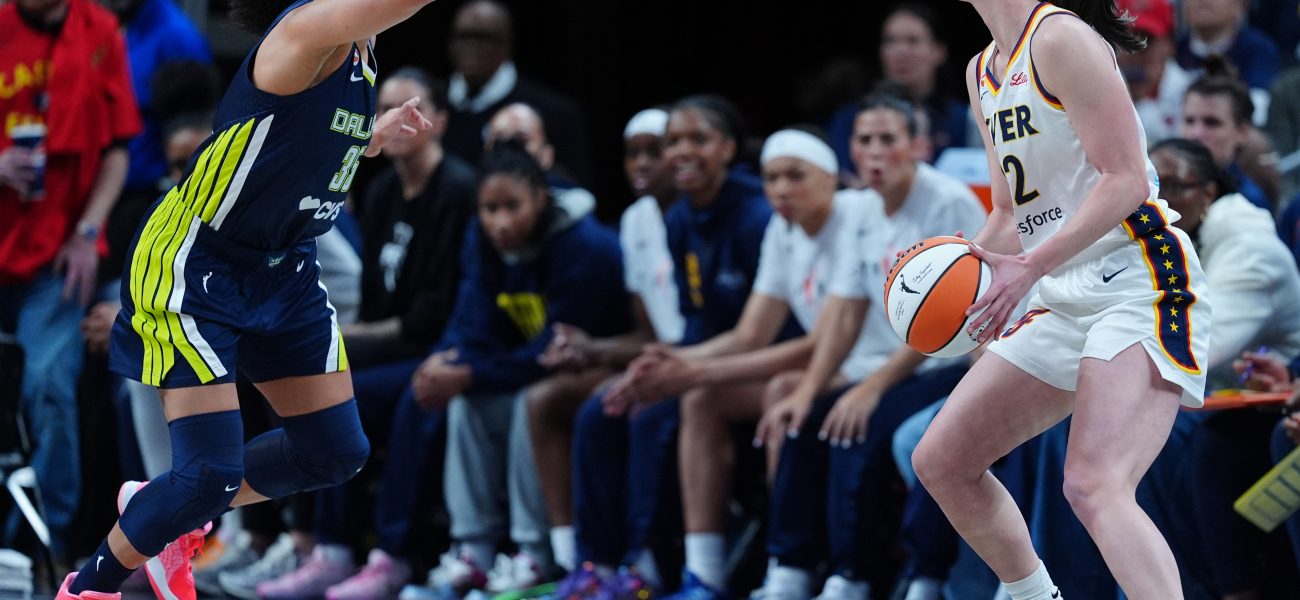
👉 READ BY CLICKING HEREAnd then there’s Caitlin Clark, back — and reportedly healthy after a difficult second season marred by injuries. While her individual prowess remains undeniable – averaging 11.6 points and 6.4 assists in her international senior debut – her narrative is now inextricably linked to the league’s grander evolution. Indiana Fever head coach Stephanie White observed a “different energy” from Clark pre-season, hinting at a renewed focus that could translate into championship aspirations. Her presence amplifies viewership, boosts merchandise sales, and undoubtedly contributes to the league’s overall commercial valuation, making her a crucial, if singular, piece in a much larger economic puzzle.
What This Means
The WNBA’s recent offseason isn’t just about basketball; it’s a profound statement on the increasing commercial viability and societal significance of women’s professional sports. The astronomical rise in player salaries, codified by the new CBA, signals a market maturing beyond mere enthusiasm, demanding equitable compensation that begins to reflect the athletes’ undeniable value and the league’s burgeoning audience. This isn’t simply a raise; it’s a re-calibration of the economic worth of female athletic labor, with ripple effects that could inspire similar movements in other sports and regions globally, including developing nations where such opportunities are nascent.
However, the concurrent reality of franchise relocation – the Sun’s move to Houston – serves as a stark reminder that even in a period of unprecedented growth, the cold logic of market forces prevails. Ownership changes and geographical shifts underscore the ongoing quest for optimal market penetration and profitability. This dynamic, coupled with the frank acknowledgement of officiating challenges, points to a league grappling with the complex demands of rapid expansion. It’s a delicate balancing act: sustaining hyper-growth while ensuring the fundamental integrity and competitive fairness of the game. For policy-makers and sports executives, the WNBA’s trajectory offers a fascinating case study in how a niche product, through strategic investment and cultural resonance, can transform into a significant economic and social force, navigating the choppy waters between fervent fandom and robust corporate governance.