

Albuquerque’s Crossroads: Police Oversight Deepens, Urban Core Fights Decay
POLICY WIRE — Albuquerque, New Mexico — A city’s soul often resides not in its grand pronouncements, but in the painstaking details of its daily upkeep—the very fabric of public safety and...

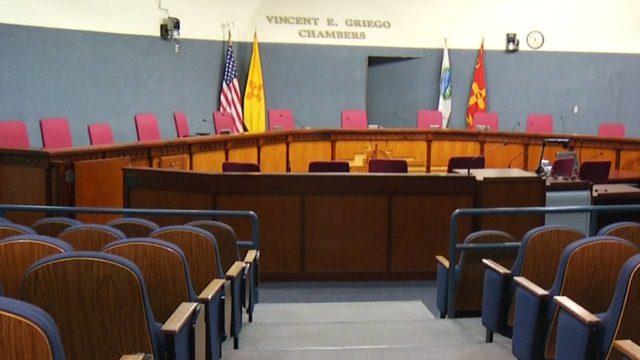
POLICY WIRE — Albuquerque, New Mexico — A city’s soul often resides not in its grand pronouncements, but in the painstaking details of its daily upkeep—the very fabric of public safety and urban renewal. And in Albuquerque, a Monday evening council meeting, seemingly routine, just might recalibrate the equilibrium between citizen trust and institutional power, all while attempting to resurrect a beleaguered commercial artery.
It wasn’t the usual fanfare of municipal budget debates or zoning variances that held the chamber’s focus. Instead, it was the granular dissection of police accountability — and the grim cartography of urban decay. The city councilors, grappling with a public confidence deficit that’s been years in the making, contemplated a decisive amendment to Albuquerque Police Department (APD) oversight. At its core, the proposed language seeks to broaden the Civilian Oversight Agency’s (CPA) investigative purview, ensuring no APD employee—sworn or non-sworn—is beyond the reach of independent review for alleged misconduct. But it’s never just about the language, is it? It’s about the underlying tension.
Councilor Fatima Khan, a vocal proponent for robust oversight, asserted, “We’re not just polishing a badge; we’re rebuilding trust from the ground up, and that demands genuine, unfettered accountability for every single individual wearing an APD uniform – whether they’re carrying a gun or pushing paper.” Her sentiments echo a persistent civic outcry, particularly potent in a city scarred by past police shootings and federal scrutiny. A 2014 Department of Justice investigation, for instance, found that the Albuquerque Police Department engaged in a pattern or practice of using excessive force, a finding that initiated a federal consent decree still in effect today. This history, a heavy cloak, drapes over every discussion of police reform here.
But the Albuquerque Police Officers’ Association shot back, its representatives often expressing caution. While transparency is paramount, contended APD spokesperson Sergeant Marco Ramirez, “we must ensure these reforms don’t handcuff our officers or undermine their crucial authority in maintaining order. It’s a delicate balance, and overreach could cripple morale and effectiveness on the streets.” He’s not entirely wrong; maintaining a capable, motivated force amidst heightened scrutiny is a perpetual challenge for any municipality.
Simultaneously, the council turned its gaze towards the sprawling San Pedro Northeast Corridor, a 36-acre stretch slated for a rather unceremonious designation: ‘blighted.’ This isn’t just bureaucratic nomenclature; it’s a critical prelude to unlocking significant redevelopment funds and incentives, allowing the city to intervene more aggressively in an area long characterized by derelict structures, vacant lots, and an undeniable air of neglect. It’s a familiar urban narrative, this slow decay, then the sudden, ambitious, often contested, rebirth.
“This isn’t just about cleaning up abandoned structures; it’s about reclaiming a vital artery of our city, injecting life back into a community that’s felt forgotten,” declared Council President Isaac Benton, championing the motion. “We’re talking jobs, opportunity, and a safe place for families to thrive.” And he’s quite right—the potential for economic revitalization is substantial, particularly for a corridor that’s been a microcosm of broader socio-economic challenges.
Still, redevelopment, particularly in areas with established, often marginalized, communities, carries its own set of fraught complexities. One need only look to the rapidly transforming skylines of metropolises across the Muslim world—from Karachi to Lahore—where informal settlements and decaying infrastructure are frequently swept away by grand, state-backed projects, sometimes at the expense of longtime residents. The universal struggle for equitable urban renewal, for ensuring that revitalization benefits all strata of society rather than just an exclusive few, is a global narrative with local echoes.
📄 POLICY WIRE WHITEPAPER PUBLISHED: PAKISTAN'S NATIONAL SECURITY POLICY PRIORITIES
👉 READ BY CLICKING HERELocal community activist Elena Chavez, long cynical about top-down initiatives, offered a cautious perspective. “They’ve promised redevelopment before. We’ll believe it when we see shovels in the ground, and more importantly, when we see benefits accruing to the longtime residents, not just external developers.” Her words underscore a crucial point: the designation of ‘blight’ is often easier than ensuring truly inclusive and sustainable revitalization. It’s a political tightrope walk, attempting to balance economic impetus with social justice.
What This Means
The council’s decisions carry weighty implications for Albuquerque’s political landscape — and its economic trajectory. On the policing front, broadening the CPA’s authority represents a significant—if contentious—step towards bolstering public trust and accountability. Politically, it’s a win for progressive factions and community advocates, but it could further strain relations with the police union, potentially complicating future labor negotiations and officer retention efforts. The long-term success hinges on the CPA’s perceived impartiality and effectiveness, which, let’s be frank, is always a moving target in oversight.
Economically, the ‘blight’ designation for the San Pedro corridor is a critical lever. It opens doors to public funding, tax increment financing, and private investment that wouldn’t otherwise be accessible. This could mean a genuine renaissance for a neglected area, fostering new businesses, housing, — and public spaces. But the economic benefits must be carefully managed to prevent rapid gentrification that displaces existing, often lower-income, residents. The political challenge lies in crafting development agreements that mandate community benefits, affordable housing components, and local hiring preferences. Without such safeguards, economic uplift can ironically exacerbate social inequalities, leaving behind those who most urgently need the support.
Ultimately, these two seemingly disparate issues—police reform and urban renewal—are intertwined in the city’s quest for a more just and prosperous future. It’s not merely about ordinances and designations; it’s about the lived experience of Albuquerqueans, navigating their city with varying degrees of safety, opportunity, and faith in their civic institutions.