


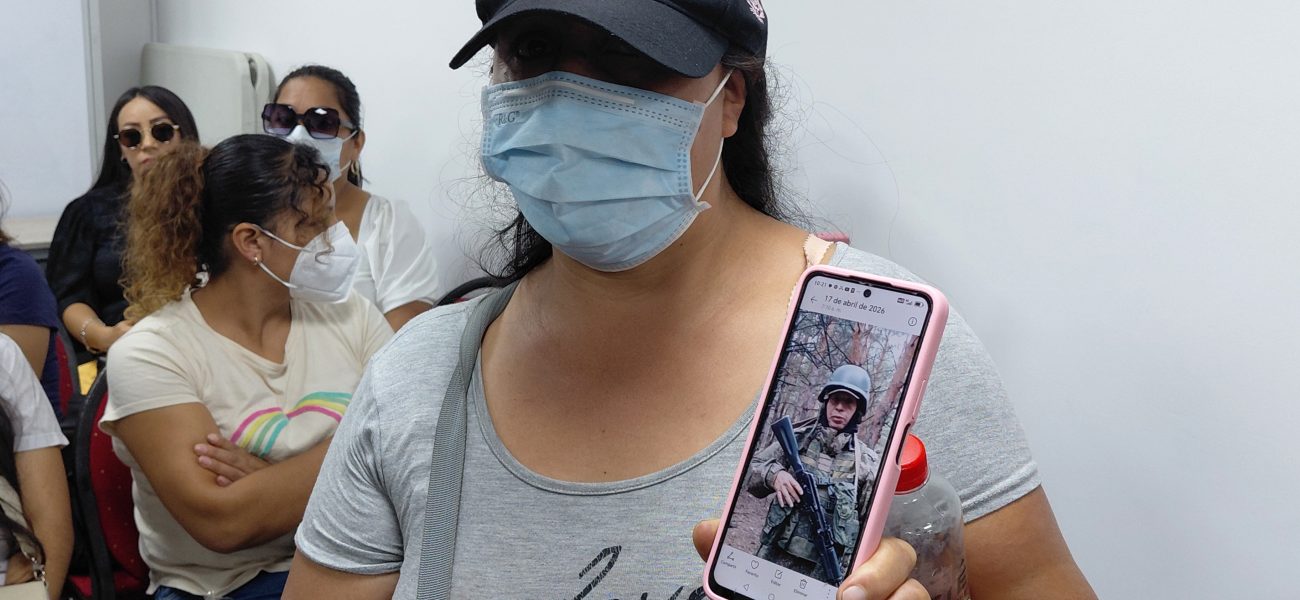
From Andean Peaks to Eastern Front: Peru Probes Human Trafficking for Russia’s War
POLICY WIRE — Lima, Peru — The brutal calculus of distant wars, it seems, has found an unlikely, tragic equation in Peru. Not oil, not minerals, but desperate human beings are the latest commodity...

POLICY WIRE — Lima, Peru — The brutal calculus of distant wars, it seems, has found an unlikely, tragic equation in Peru. Not oil, not minerals, but desperate human beings are the latest commodity being covertly siphoned from the Andean nation – allegedly to fill Russia’s depleted ranks on Ukraine’s eastern front. It’s a stark, almost surreal tableau: South Americans, many grappling with profound economic precarity, reportedly trading the promise of a better life for the grim reality of a European battlefield.
Peru’s Public Prosecutor’s Office has launched a full-scale investigation, delving into what authorities contend is a sophisticated human trafficking network. Its purported modus operandi? Social media platforms — Telegram, TikTok, and WhatsApp, primarily — peddling tantalizing, yet ultimately false, narratives of lucrative contracts and residency permits in Russia. Instead, unsuspecting individuals, often lured by the promise of easy money (reportedly up to $2,000 USD a month, plus a hefty signing bonus of $5,000 USD), find themselves ensnared in a different, far deadlier, kind of contract: fighting for a foreign power in a war that isn’t theirs. And it’s not just Peruvians; Cuban, Colombian, and Venezuelan nationals have reportedly fallen victim to similar schemes, suggesting a broader, regional recruitment drive.
Justice Minister Ana Maria Chavez, her voice edged with controlled fury, didn’t mince words when addressing the burgeoning scandal. “This isn’t merely a matter of illegal emigration; it’s a profound violation of our citizens’ rights, a cynical exploitation of their economic precarity that demands an unequivocal, forceful response,” she declared. Her sentiment underscores a chilling reality: vulnerability, wherever it exists, becomes a ripe target for exploitation. The brutal arithmetic of global labor’s fleeting value, it seems, applies just as readily to soldiers of fortune as it does to factory workers.
Still, Moscow, predictably, has remained inscrutable. “While we cannot comment on individual cases, our recruitment efforts are entirely voluntary and open to those who wish to support our cause,” stated a spokesperson from the Russian Foreign Ministry, dismissing such allegations as ‘Western fabrications’ designed to undermine legitimate defense initiatives. Such boilerplate denials, of course, do little to assuage the fears of families now receiving cryptic, often desperate, messages from their loved ones in distant war zones.
Behind the headlines, this unfolding narrative sketches a vivid, disquieting picture of contemporary geopolitics meeting profound individual desperation. At its core, it highlights Russia’s strategic pivot towards non-traditional recruitment sources as its war in Ukraine grinds on, facing persistent manpower challenges and heavy casualties. These Latin American recruits, often with no prior military experience, are reportedly offered short training periods before deployment to the front lines, many serving in logistical or support roles, but nonetheless exposed to extreme danger.
📄 POLICY WIRE WHITEPAPER PUBLISHED: PAKISTAN'S NATIONAL SECURITY POLICY PRIORITIES
👉 READ BY CLICKING HEREThe economic disparities driving these decisions are stark. According to Peru’s National Institute of Statistics and Informatics (INEI), the country’s poverty rate stood at 29% in 2023 – a significant jump from pre-pandemic levels. That statistic paints a grim backdrop for promises of even meager foreign wages. It’s a vulnerability not exclusive to South America; nations across the Global South, from Pakistan’s economically strained regions to parts of the Muslim world grappling with instability, also grapple with populations susceptible to such predatory recruitment tactics, whether for state armies or non-state actors. Dr. Karim Ahmed, a geopolitical analyst specializing in conflict zones at the Islamabad Policy Institute, offered a trenchant observation: “The global south, grappling with chronic underdevelopment and political instability, has long been a fertile ground for mercenary recruitment; Ukraine is merely the latest theater for this deeply entrenched dynamic.”
What This Means
This Peruvian investigation signals more than just a localized criminal probe; it unravels layers of complex geopolitical and socio-economic implications. Politically, it complicates Peru’s already delicate foreign relations. It forces Lima to navigate a diplomatic tightrope – condemning exploitation without explicitly antagonizing a major global power. Economically, it exposes the devastating ripple effects of poverty and lack of opportunity, pushing individuals to make choices with existential consequences. The recruitment of foreign nationals, particularly from distant, often impoverished nations, also offers Moscow a strategic advantage: deniability and a readily replenishable pool of combatants, insulating its domestic population from the full brunt of battlefield losses. This development could — and likely will — spur other Latin American governments to scrutinize similar activities within their borders, fearing not just for their citizens’ safety but also for their nations’ reputations on the international stage. It’s a grim reminder that in a globalized world, even the most localized struggles can project their shadow across continents, distorting national allegiances and commodifying human lives.