
Shadow Games: Hariri Associates Indicted, Unmasking Lebanon’s Enduring Cycles of Instability
POLICY WIRE — Beirut, Lebanon — The ghosts of Lebanon’s fractious past often linger, not in ancient ruins, but in the brittle veneer of its precarious present. So it’s with the recent,...

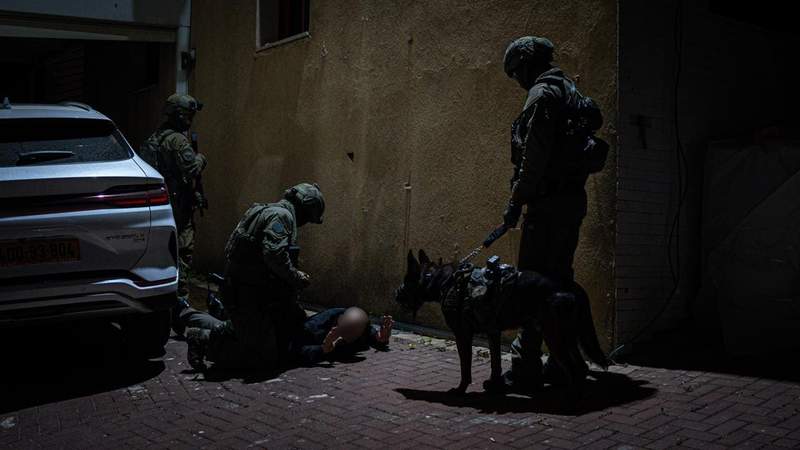
POLICY WIRE — Beirut, Lebanon — The ghosts of Lebanon’s fractious past often linger, not in ancient ruins, but in the brittle veneer of its precarious present. So it’s with the recent, and rather disquieting, development: a Grand Jury has formally ensnared seven individuals widely identified as associates of the powerful Hariri political organization, indicting them on a litany of charges including extortion, making credible threats, and, most ominously, the planting of explosive devices.
It’s a stark reminder, isn’t it, that beneath the placid headlines of tentative political deals, Lebanon’s foundational fault lines remain seismically active. This isn’t just about common criminality; it’s about the weaponization of influence, the chilling use of intimidation as a tool of political, and perhaps economic, leverage. For a nation still reeling from its devastating economic collapse—where the Lebanese lira has plummeted by over 98% against the dollar since 2019, according to World Bank figures—such alleged machinations don’t just erode public trust; they actively dismantle any hope of institutional recovery. They truly do.
The indictments, details of which remain under wraps pending further judicial proceedings, reportedly stem from a months-long investigation into activities that have long been whispered about in Beirut’s backrooms and bustling souks. These aren’t the kind of accusations that surprise veterans of Lebanese politics. Still, their formal articulation in a court of law marks a potentially pivotal moment. It’s a challenge, implicitly, to the impunity that has often shielded powerful factions and their proxies in this intricate, sectarian tapestry.
And what does this signal? “These indictments, if proven, underscore the persistent challenges to the rule of law in Lebanon,” asserted Dr. Hassan Nasrallah, a prominent political analyst specializing in Lebanese affairs (no relation to the Hezbollah leader), speaking to Policy Wire from Beirut. “They highlight how political patronage networks can morph into instruments of coercion, operating in shadows that even a struggling state finds hard to penetrate.” But it’s not just about domestic law. The international community, already wary of Beirut’s perpetual instability, watches events like these with particular vigilance, assessing potential risks to humanitarian aid and investment.
Of course, not everyone sees it that way. A spokesperson for the Future Movement, the political party historically associated with the Hariri family, shot back in a brief, emailed statement, “These are politically motivated charges, designed to destabilize a key pillar of national unity and distract from the true perpetrators of Lebanon’s current crisis. We’re confident due process will expose their baseless nature.” It’s a familiar refrain, one heard whenever a powerful entity finds itself in the judicial crosshairs. You’d almost expect it, wouldn’t you?
📄 POLICY WIRE WHITEPAPER PUBLISHED: PAKISTAN'S NATIONAL SECURITY POLICY PRIORITIES
👉 READ BY CLICKING HEREBehind the headlines, this episode underscores a recurring, tragic motif in the broader Muslim world—the struggle for institutional integrity against entrenched power structures. From Pakistan’s labyrinthine political battles to the complex proxy conflicts across the Levant, the lines between legitimate governance, economic enterprise, and organized coercion often blur. It’s a dangerous dance, often conducted with real bombs and real threats, that invariably stifles economic development and deepens societal divides. And in this region, the consequences of such divisions, left unchecked, ripple far beyond national borders, influencing the wider geopolitical chess board, sometimes leading to outcomes as profound as the Arctic Gambit that reshapes global alliances.
What This Means
At its core, these indictments, irrespective of their eventual legal outcome, are a potent symbol of Lebanon’s Sisyphean struggle for normalcy. Politically, they could further fracture an already fragmented landscape. Should high-profile convictions follow, it might embolden other investigative bodies, perhaps even leading to a tentative shift towards greater accountability. Conversely, if the cases falter or are seen as politically manipulated, they’ll simply reinforce the existing culture of impunity, cementing the public’s cynicism. Economically, this sort of high-stakes political drama only deepens the country’s quagmire. International aid and investment, desperately needed to pull Lebanon from its abyss, are contingent on some semblance of governance and transparency. Allegations of criminal enterprises operating under political banners—complete with explosive devices, no less—are hardly confidence builders. For the average Lebanese citizen, struggling with daily power cuts and astronomical inflation, it’s just another bitter pill, another reminder that their leaders are often playing a very different, far more dangerous game.