


The War Premium: How Persian Gulf Tremors Translate to Oil Major Windfalls
POLICY WIRE — London, UK — The tremors of geopolitical instability, particularly those emanating from the ever-volatile Persian Gulf, often manifest in unexpected ways. Sometimes, they arrive as...

POLICY WIRE — London, UK — The tremors of geopolitical instability, particularly those emanating from the ever-volatile Persian Gulf, often manifest in unexpected ways. Sometimes, they arrive as stark bottom-line surges in quarterly earnings reports, far from the battlefields. And so it’s that while the specter of an escalating conflict involving Iran casts a long shadow over global stability, a select cohort of energy titans finds its coffers swelling. This isn’t merely business as usual; it’s the brutal calculus of a world on edge.
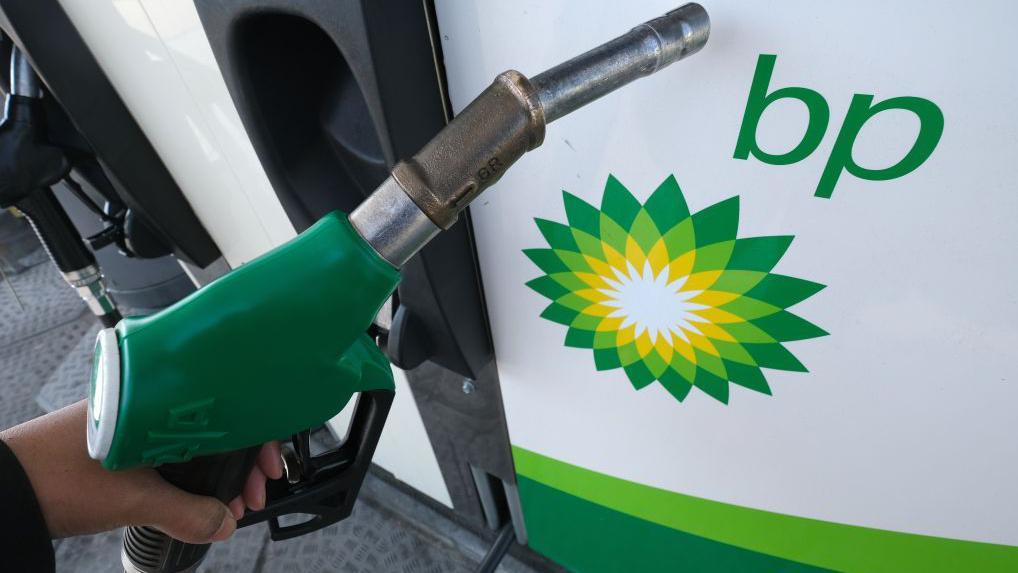
Behind the headlines of diplomatic wrangling and strategic deployments, BP – once British Petroleum, now simply BP – has registered a financial performance that would be remarkable in any climate, let alone one brimming with economic apprehension. It’s a testament to the inexorable link between political volatility — and crude oil valuations. The company’s latest fiscal disclosures paint a picture of extraordinary prosperity, driven largely by what analysts are terming a ‘war premium’ – an incremental charge on every barrel of oil, tethered directly to perceived supply risks in the world’s most critical energy conduit. It’s a rather grim irony, don’t you think?
At its core, this financial uplift isn’t some clever new business strategy. Nope. It’s a direct, almost Pavlovian, response from global markets to the simmering tensions across the Strait of Hormuz, that narrow, vital choke point through which a staggering proportion of the world’s seaborne oil passes daily. Any perceived threat to this artery sends futures prices rocketing. Still, BP, along with its industry peers, is perfectly positioned to capitalize on such market gyrations, their vast upstream operations and trading desks acting as sophisticated sensors and amplifiers of global anxiety.
The company hasn’t just seen modest gains; it’s experienced what some financial commentators have described as a veritable torrent of revenue, a phenomenon directly attributable to the market’s nervous anticipation of supply disruptions following heightened rhetoric and military posturing concerning Iran. So, while diplomatic efforts struggle for traction, the price of crude oil—the lifeblood of the global economy—remains stubbornly elevated. It’s a self-reinforcing loop: fear begets higher prices, higher prices fuel profits, and those profits become a tangible, if ethically complex, dividend of international friction.
“We’ve certainly observed a robust market environment, reflective of current geopolitical dynamics and sustained demand,” shot back Bernard Looney, BP’s CEO, in a carefully worded statement to investors. “Our strategic positioning has allowed us to navigate these conditions effectively, ensuring continued value creation for our shareholders.” He didn’t, however, dwell on the source of said ‘dynamics’.
But for those outside the rarefied air of corporate boardrooms, the picture is far less sanguine. Don’t think for a second that these market movements are benign. “The escalating price of crude isn’t just an abstract number on a trading screen; it’s a direct tax on the livelihoods of working families,” observed Senator Elizabeth Warren (D-MA), a vocal critic of corporate profiteering, during a recent press briefing. “It’s about higher gas prices, increased shipping costs, and ultimately, a broader inflationary pinch that disproportionately burdens those least able to afford it.” Her sentiment encapsulates the widespread public exasperation.
This economic reverberation doesn’t discriminate, but it certainly impacts some more acutely than others. Consider the nations of South Asia — and the broader Muslim world, many of which are heavily reliant on imported oil. Pakistan, for instance, already grappling with persistent economic woes and a precarious balance of payments, finds itself particularly vulnerable. Every upward tick in crude prices translates almost immediately into increased import bills, exacerbating inflationary pressures and placing immense strain on already stretched national budgets. It’s a cycle that undermines stability — and complicates any semblance of long-term economic planning. This is not just about fuel at the pump; it’s about the cost of electricity, transportation for goods, and the fundamental affordability of everyday life.
📄 POLICY WIRE WHITEPAPER PUBLISHED: PAKISTAN'S NATIONAL SECURITY POLICY PRIORITIES
👉 READ BY CLICKING HEREAccording to data compiled by the International Monetary Fund (IMF), a sustained $10 increase in the average price of a barrel of crude oil can shave between 0.5% and 1.5% off the GDP growth rate for oil-importing developing nations in a given year. That’s not insignificant; it’s a direct blow to progress, a regressive tax on development. And while the West frets about inflation, these economies face a far more existential threat.
It seems the global economy, for all its intricate complexity, still dances to the tune of crude oil, a tune composed by both demand and, increasingly, by the dissonant notes of geopolitical strife. These financial reports aren’t just numbers; they’re barometers of international tension, starkly illustrating how conflict in one region can paradoxically enrich others, creating a profoundly unbalanced global ledger. It’s a harsh reality, but one we’re constantly forced to confront.
What This Means
This stark divergence – colossal corporate profits juxtaposed against rising global instability and consumer hardship – highlights several consequential implications. Politically, it fuels widespread public cynicism regarding the equitable distribution of economic burdens, particularly during crises. Governments in oil-importing nations, already facing domestic unrest over inflation, will find their policy options severely constrained, potentially leading to increased social instability and pressure to seek alternative energy sources or diplomatic solutions to de-escalate regional conflicts. Economically, this creates a deepening chasm between energy producers (and the corporations extracting and trading that energy) and energy consumers. It contributes to what economists term a ‘resource curse’ for some nations, while others benefit from its inverse. India’s aviation sector, for example, faces severe turbulence due to such price shocks, imperiling its ambitious growth trajectory.
The geopolitical implications are equally profound. The profitability derived from conflict, even indirectly, creates a perverse incentive structure where some actors might subtly benefit from prolonged tension. It subtly undermines diplomatic efforts by creating entrenched financial interests aligned with a volatile status quo. the reliance on Middle Eastern oil, underscored by these price hikes, reinforces the region’s outsized influence on global affairs, making every tremor — every rumor, every missile launch — a matter of international concern. It’s not just about energy security; it’s about the very fabric of global economic interdependence and the ethical compromises inherent in modern capitalism, particularly when profits become a direct consequence of human suffering. The Kremlin’s dangerous gambit in Eastern Europe offers a similar, albeit distinct, lesson in how geopolitical leverage translates into economic shifts, impacting everything from gas prices to global food security. Ultimately, these profits aren’t just numbers; they’re a stark reflection of a world where risk and reward are distributed with unsettling unevenness.