


Baffin Island’s Silent Reckoning: A Remote Gem Becomes a Geopolitical Crucible
POLICY WIRE — Iqaluit, Nunavut — It isn’t the stark, ice-sheathed peaks that signal Baffin Island’s true gravitas anymore. Nor is it the majestic polar bears—though they’re...

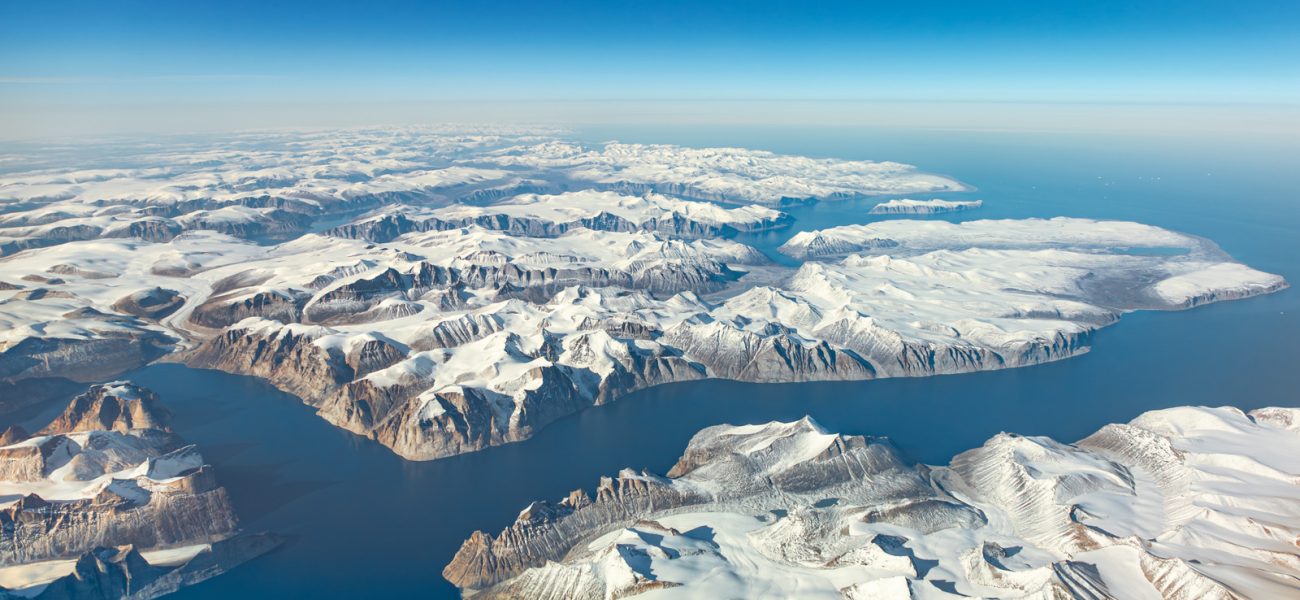
POLICY WIRE — Iqaluit, Nunavut — It isn’t the stark, ice-sheathed peaks that signal Baffin Island’s true gravitas anymore. Nor is it the majestic polar bears—though they’re certainly a draw. Behind the headlines, this vast, remote Canadian expanse, the fifth largest island on Earth, has quietly transformed into an unlikely geopolitical crucible, a silent reckoning for global climate policy and resource ambition. Its majestic, yet increasingly vulnerable, landscapes are morphing from a mere travelogue entry into a stark policy barometer.
At its core, Baffin’s narrative isn’t solely about its unique wildlife or glacial panoramas. It’s a story of accelerating climate change — the Arctic, encompassing regions like Baffin Island, is warming at a rate nearly four times the global average, according to the Arctic Monitoring and Assessment Programme (AMAP) – a stark acceleration from previous estimates. This isn’t just an abstract data point; it’s a relentless redraw of shorelines, a redefinition of traditional hunting grounds, and an urgent question mark over the future of its largely Inuit inhabitants. And it’s here, in this seemingly forgotten corner of the world, that global powers and local communities face off over environmental stewardship, indigenous sovereignty, and the tantalizing prospect of newly accessible resources.
“Baffin Island isn’t just a postcard; it’s a critical barometer for the planet’s health,” stated Canada’s Minister of Northern Affairs, Dan Vandal, in a recent policy briefing. “Our commitment to its preservation is a commitment to global stability, but it’s an expensive proposition, one that demands international cooperation and sustained investment in our northern communities.” He’s not wrong. The sheer logistical challenge of maintaining sovereignty, let alone supporting sustainable development across an island roughly the size of Spain, is monumental. It’s a costly endeavor, to be sure, but one Canada sees as non-negotiable.
Still, the stakes aren’t merely national. They’re global. The receding ice cover opens up new, albeit perilous, shipping lanes through the fabled Northwest Passage, fundamentally altering maritime trade routes and sparking intense interest from nations far removed from the Arctic Circle. This shift precipitates a complex web of environmental concerns, security considerations, and Indigenous rights assertions. The local Inuit communities, who have been stewards of this land for millennia, find themselves at the nexus of these competing forces, their traditional way of life profoundly impacted.
“We’ve lived on this land for millennia, our culture intertwined with its rhythms,” shot back Piita Irniq, a respected Inuit elder and former Commissioner of Nunavut, reflecting on the rapid environmental degradation. “The changes we see aren’t just scientific data points; they’re an erosion of our culture, our hunting grounds, our very identity. The world needs to listen, not just marvel at the scenery – it needs to understand the human cost of their collective inaction.” His sentiment underscores a deepening tension: the global appetite for new transit and resources clashes head-on with local populations’ desire for self-determination and environmental protection. It’s a familiar narrative, of course, unfolding across Indigenous lands worldwide.
📄 POLICY WIRE WHITEPAPER PUBLISHED: PAKISTAN'S NATIONAL SECURITY POLICY PRIORITIES
👉 READ BY CLICKING HEREThe echoes of this particular predicament resonate well beyond the Arctic. While the melting glaciers of Baffin Island might seem geographically distant from the monsoon-battered plains of Pakistan, the atmospheric and oceanic systems that govern global weather don’t respect national borders. What happens in the Arctic, with its profound impact on sea levels and atmospheric circulation, sends palpable ripples—literally and figuratively—to vulnerable coastal communities in the Indus Delta, already contending with rising salinization and extreme weather events. It’s a stark reminder that environmental policy, at its core, is an exercise in global interdependence, where the ecological solvency of one region directly correlates to the economic stability of another, sometimes thousands of miles away. The fate of Baffin’s glaciers has direct — if sometimes delayed — consequences for the millions who rely on the Himalayan ice sheet for water, a region often referred to as the ‘Third Pole’.
What This Means
Baffin Island’s transformation into a nexus of environmental and geopolitical concern highlights a critical policy conundrum. Economically, the opening of Arctic shipping routes presents both a boon and a bane: shorter transit times could reduce global supply chain costs, but at the potential expense of environmental catastrophe and complex international legal disputes over jurisdiction. Politically, Canada’s assertion of sovereignty over its Arctic territories becomes more consequential, especially as other nations—some with Arctic ambitions of their own—cast a keen eye northward. The ongoing debate surrounding policy’s ‘shooting percentage’ on climate action couldn’t be more pertinent here; the speed at which ice melts outpaces legislative frameworks. The island’s future will thus serve as a bellwether for the international community’s ability to balance economic imperative with ecological responsibility and, crucially, to uphold the rights and traditions of Indigenous peoples in the face of epochal change. It’s a test, frankly, of humanity’s collective foresight.