


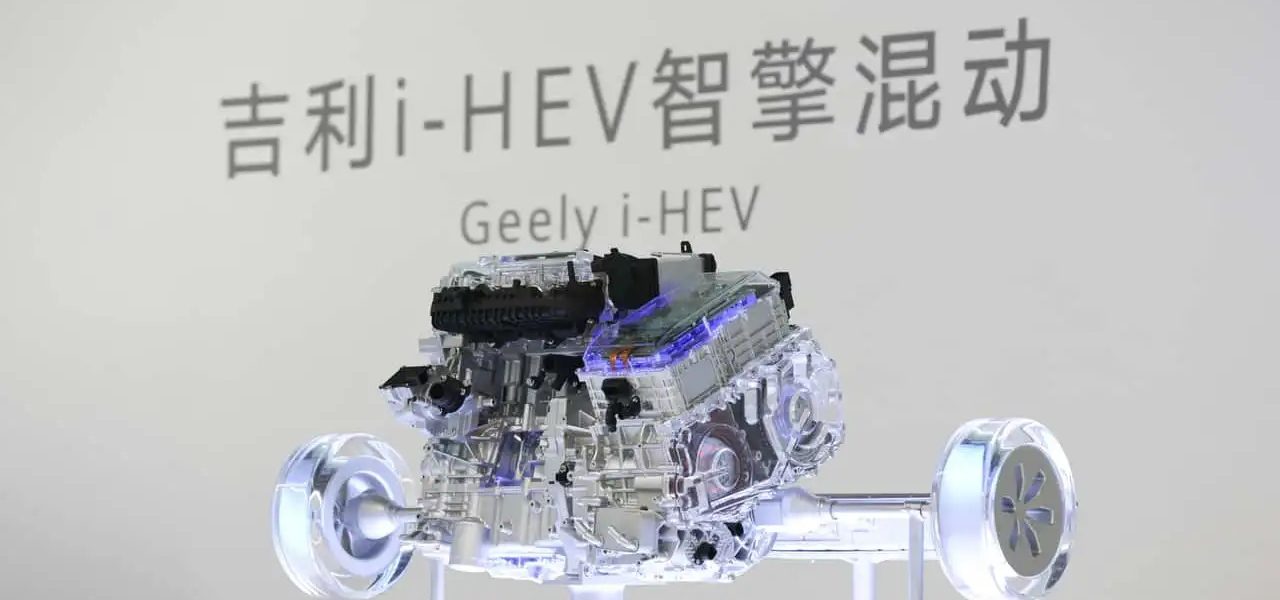
Beijing’s Unsentimental U-Turn: China’s Quiet Retreat from EV Supremacy to Embrace the Combustion Engine
POLICY WIRE — Beijing, China — The electric hum that once symbolized China’s inexorable march towards automotive dominance — a future powered solely by electrons — is now being quietly, almost...

POLICY WIRE — Beijing, China — The electric hum that once symbolized China’s inexorable march towards automotive dominance — a future powered solely by electrons — is now being quietly, almost imperceptibly, accompanied by the familiar growl of internal combustion. It’s an unexpected melody emanating from the world’s largest auto market, a subtle but consequential policy recalibration that belies Beijing’s much-vaunted commitment to an all-electric future. This isn’t a dramatic reversal; it’s a pragmatic, some might say cynical, acknowledgment of enduring market realities and economic headwinds.
For years, state incentives and ambitious mandates propelled China to the forefront of electric vehicle (EV) production and adoption, creating an industrial colossus unrivaled globally. Billions were poured into battery factories, charging infrastructure, and a dizzying array of new energy vehicle (NEV) startups. But behind the headlines — the breathless pronouncements of a clean energy revolution — a different, more nuanced story was unfolding. The nation, it seems, isn’t quite ready to sever its ties with the gasoline engine, not yet.
At its core, this pivot isn’t ideological; it’s intensely practical. Economic slowdowns, consumer apprehension about charging infrastructure — especially in vast, rural expanses — and the sheer cost of widespread EV adoption have coalesced into a compelling argument for a more measured approach. And so, the humble gasoline car, once deemed a relic destined for the scrap heap, is experiencing a quiet renaissance in showrooms across the Middle Kingdom. According to data from the China Association of Automobile Manufacturers (CAAM), while EV sales still grew, internal combustion engine (ICE) vehicle sales saw an unexpected 3.5% uptick in the second quarter of this year, signaling a pragmatic consumer preference shift.
This subtle but significant policy adjustment underscores Beijing’s perennial balancing act: maintaining economic stability and industrial output while pursuing long-term strategic goals. “Our strategy remains adaptable, reflecting the diverse needs of our populace and ensuring energy security,” shot back Wang Tao, spokesperson for China’s Ministry of Industry and Information Technology, when pressed on the apparent deceleration of the EV push. “It’s not a retreat, but a recalibration — a dual-track approach to meet demand across all segments.”
But analysts view it with a touch more skepticism, a knowing nod to the often-unspoken truths of policy implementation. “The market, ultimately, dictates policy,” observed Dr. Eleanor Vance, geopolitical economist at the Eurasia Group. “Consumers still value affordability and range, areas where ICE vehicles retain a tangible edge, especially in less developed regions or for those wary of nascent technologies.” This isn’t just about domestic consumption, either. China’s immense manufacturing capacity for traditional automobiles needs outlets. And those outlets, increasingly, are found beyond its borders.
Still, the implications are far-reaching. China’s pivot doesn’t merely impact its internal market; it sends ripples across global automotive supply chains and profoundly alters the landscape for nations still grappling with their own energy transitions. Developing economies, particularly in South Asia and the broader Muslim world, have often looked to China’s EV success as a template. Now, Beijing’s pragmatic reassessment offers a different lesson: the path to electrification is neither linear nor instantaneous.
📄 POLICY WIRE WHITEPAPER PUBLISHED: PAKISTAN'S NATIONAL SECURITY POLICY PRIORITIES
👉 READ BY CLICKING HEREConsider Pakistan, for instance. It’s a nation facing acute energy challenges — and a burgeoning middle class hungry for affordable transportation. While EV initiatives exist, the infrastructure isn’t there, — and the upfront cost remains a substantial barrier. China’s continued, or even renewed, focus on efficient gasoline vehicles could mean a sustained supply of affordable, technologically mature ICE cars and components flooding these markets, thereby delaying their own, nascent EV transitions. It also means China’s demand for fossil fuels — which has massive geopolitical implications for its suppliers in the Middle East and Central Asia — isn’t decelerating as rapidly as once projected.
And what of China’s auto giants, many of whom have heavily invested in EV platforms? They’re now finding solace beyond the assembly line, diversifying their offerings and exporting their expertise in both electric and traditional powertrains. It’s a dynamic that reflects not just technological prowess, but also a stark recognition of market pragmatism. This Dragon’s Dilemma is compelling them to hedge their bets.
What This Means
This quiet re-engagement with internal combustion engines from a nation that once championed an exclusive EV future carries substantial political and economic weight. Economically, it suggests a tempered outlook on immediate, widespread EV adoption, likely driven by concerns over grid stability, raw material supply chains, and consumer affordability in a slower growth environment. It also provides a lifeline to legacy automotive manufacturers, allowing them to amortize existing investments in ICE technology for longer. Politically, it signals a strategic flexibility, prioritizing economic stability and energy security over — or at least alongside — ambitious environmental targets. For global climate goals, it’s a setback, injecting more fossil fuel combustion into the atmosphere for potentially longer than anticipated. But it also presents an interesting case study: even the most centralized economies must, eventually, bend to the realities of market demand and consumer choice. This isn’t a capitulation, but a strategic pause — a pragmatic recalibration of an incredibly ambitious industrial transformation.