


Michigan’s Roster Refresh: A Microcosm of College Sports’ Macro-Economic Gambit
POLICY WIRE — Ann Arbor, MI — The perennial quest for collegiate athletic dominance has, by 2026, transmuted into something far more intricate than mere court performance: it’s a high-stakes,...

POLICY WIRE — Ann Arbor, MI — The perennial quest for collegiate athletic dominance has, by 2026, transmuted into something far more intricate than mere court performance: it’s a high-stakes, fast-paced game of human capital acquisition, often played with the liquidity of a private equity fund. So when the University of Michigan announced its latest cadre of basketball talent—a mélange of battle-hardened transfers and fresh-faced prep prodigies—it wasn’t just a roster update; it was a policy statement, a granular example of the macro-economic forces reshaping the very bedrock of American amateur sports.
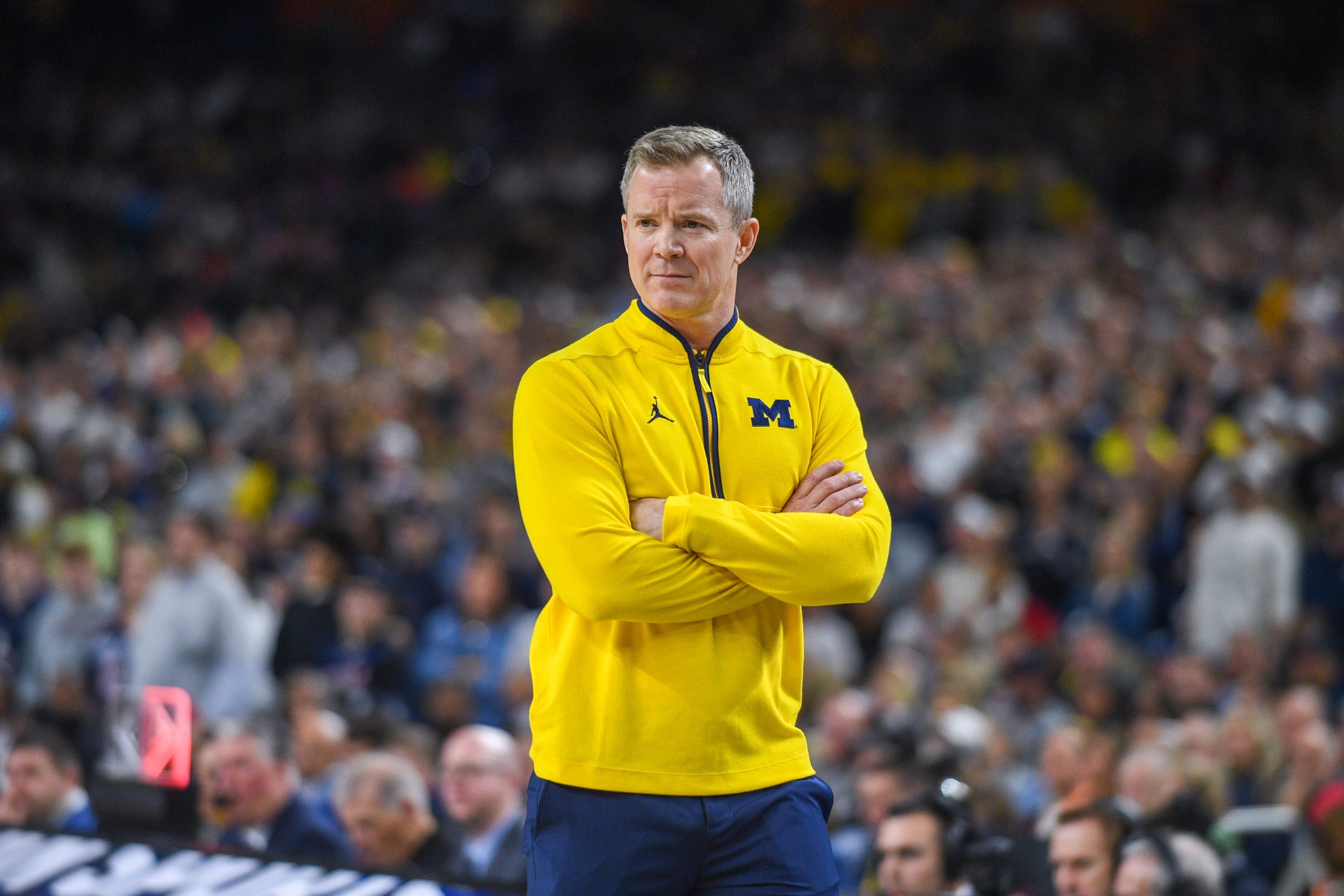
Behind the headlines of promising young athletes donning Maize and Blue lies a complex web of incentives, financial calculations, and geopolitical currents. Head Coach Dusty May, a figure accustomed to navigating the relentless churn of modern recruitment, unveiled five new Wolverines destined for the 2026-27 season. Three emerge from the tumultuous transfer portal, a veritable free market for athletic labor, while two others arrive directly from high school, their collegiate journeys commencing amidst unprecedented scrutiny and opportunity.
May, addressing the strategic recalibration, remarked, “Building a championship-caliber program today isn’t just about scouting; it’s about understanding market dynamics. You’ve got to be agile, responsive, and frankly, a bit ruthless in securing talent that fits your evolving system – and your budget.” It’s a candid acknowledgment of a landscape where loyalty often yields to lucrative offers and immediate playing time, where a coach’s role has expanded far beyond Xs and Os.
The incoming class boasts names that will soon be familiar to fans: Brandon McCoy Jr., an explosive guard from the high school ranks, and Lincoln Cosby, a forward whose promising career hits an early snag with a torn ACL (a reminder, if one needed it, of the sport’s brutal physical toll). But it’s the transfer trio—J.P. Estrella from Tennessee, Jalen Reed from LSU, and Moustapha Thiam from Cincinnati—that truly underscores the new paradigm. These aren’t just players; they’re investments, each bringing a specific skill set and, crucially, collegiate experience.
Moustapha Thiam, a towering center, exemplifies the globalized nature of contemporary college basketball. His journey to Michigan, originating perhaps from Senegal – a Muslim-majority nation in West Africa with a burgeoning basketball footprint – isn’t just a personal narrative; it’s a testament to the widening net cast by American universities. It’s a pipeline that sees talent flow from diverse socio-economic backdrops, often with significant implications for their families and communities back home. These athletes, many from the Muslim world and other developing nations, frequently become financial pillars for their extended kin, their American collegiate careers serving as both personal ambition and collective economic engine. And it’s this global scouting, this hunt for value, that truly sets today’s recruitment apart.
The sheer volume of player movement in this era is staggering. Consider this: over 2,000 men’s basketball players entered the NCAA transfer portal in 2023 alone, according to various sports analytics firms. This ceaseless reshuffling, while offering individual athletes newfound agency, presents considerable challenges for program stability and team chemistry. Yet, it also forces coaches like May to adapt, to become adept at integrating disparate parts into a cohesive whole, often on accelerated timelines. “The days of meticulously developing a four-year player are largely, though not entirely, behind us,” May later contended, signaling a shift that prioritizes immediate impact over long-term cultivation.
McCoy, described by May as a “special talent” capable of immediate impact, represents the high-upside gamble on youth. Cosby, despite his injury, possesses what May termed “tremendous size, versatility and upside,” indicative of a commitment to long-term development even in a short-term-focused system. Estrella and Reed, both forwards, bring the much-needed physicality and experience gleaned from years in Power Five conferences, embodying the plug-and-play ethos of the transfer portal. Thiam, meanwhile, offers rim protection and an athletic profile that suggests significant defensive influence, a trait May apparently covets in his big men.
What This Means
At its core, Michigan’s latest recruiting haul offers a crisp snapshot of college sports as an increasingly formalized labor market. The transfer portal, initially conceived as a mechanism for player welfare, has matured into a sophisticated transactional engine, fundamentally altering team construction. It’s no longer just about athletic scholarships; it’s about Name, Image, and Likeness (NIL) deals, strategic player development, and the judicious management of scarce financial and human resources. The economic implications are vast. Programs with robust booster networks and institutional commitment to NIL opportunities often gain an undeniable edge in attracting top-tier talent. This creates a widening chasm between the ‘haves’ and ‘have-nots’ within collegiate athletics, further consolidating power among a select few institutions.
Politically, the continuous evolution of amateurism—or its effective demise—sparks perennial debate in Washington and state legislatures. Calls for federal oversight, standardized contracts, and collective bargaining rights for athletes aren’t fringe ideas anymore; they’re mainstream proposals. The social impact, too, is significant: athletes, particularly those from underrepresented backgrounds, are gaining unprecedented economic mobility, but often at the cost of traditional collegiate experiences and team cohesion. It’s a perilous plateau, where individual prosperity clashes with institutional stability. This isn’t just about Michigan basketball; it’s a bellwether for the future of a multi-billion-dollar industry, perpetually balancing tradition with the inexorable march of market forces. The Wolverines, it seems, are just playing the game as it’s currently constituted, acutely aware that success on the court now hinges as much on shrewd financial maneuvering as on court-side coaching.