

The Collateral Damage of Loyalty: Draymond Green’s Fierce Defense Unmasks Sports’ Cruel Public Tribunal
POLICY WIRE — New York, USA — It wasn’t the clang of a rim or the squeak of sneakers that dominated sports headlines this past week, but the resounding thump of public judgment – and the...

POLICY WIRE — New York, USA — It wasn’t the clang of a rim or the squeak of sneakers that dominated sports headlines this past week, but the resounding thump of public judgment – and the equally forceful retort from an unlikely defender. Professional athletics, at its core, isn’t merely about physical prowess; it’s a multi-billion dollar spectacle perpetually negotiating the delicate balance between individual human frailty and the insatiable appetite for heroic, unblemished performance. And sometimes, the most consequential plays happen off the court, in the unforgiving arena of public opinion.
The particular fracas igniting this debate involves Kevin Durant, the Houston Rockets’ star forward, currently sidelined by injury. Whispers, then shouts, morphed into a pervasive, toxic narrative: Durant, it was alleged, had ‘quit’ on his team during the playoff series against the Los Angeles Lakers. An absurd charge, many would argue, given Durant’s storied career — and well-documented love for the game. Yet, the social media hydra, fueled by countless armchair critics and talking heads, embraced the fiction with zealous abandon. This wasn’t merely speculation; it was character assassination, a brutal shaming ritual playing out in real-time.
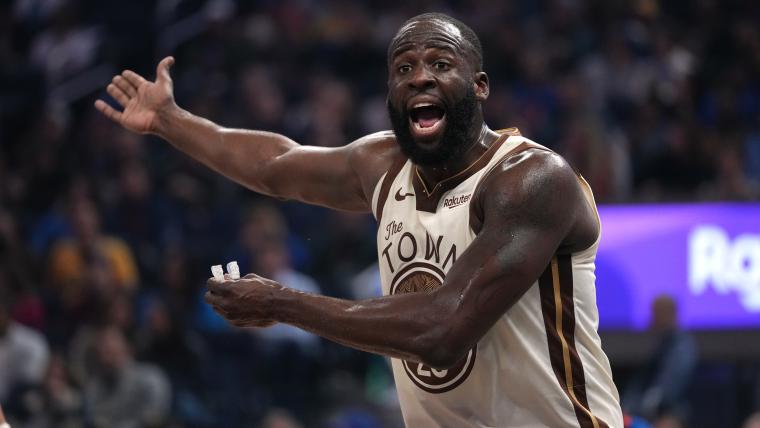
Enter Draymond Green, the Golden State Warriors’ often-combative forward, a former teammate — and staunch ally of Durant. Green, never one to mince words, didn’t just push back; he detonated. During a recent episode of his podcast, Green emphatically denounced Durant’s detractors, their accusations earning his unreserved contempt. “A lot of people have made a lot of discourse about, ‘Oh, KD don’t really want to play. He’s quitting on his teammates,’” Green shot back, his voice thick with indignation. “One thing you don’t question: Kevin Durant loves to play basketball. If there’s anything that Kevin Durant loves, he loves to play basketball. To question a guy, injured, that has shown nothing but the love for the game of basketball, is bull.”
It’s a stark, visceral defense, one that transcends mere sports camaraderie. And it casts a harsh spotlight on the expectations heaped upon athletes, especially those earning stratospheric sums. Fans, teams, — and advertisers invest heavily, emotionally and financially, in these gladiators. When injury strikes, that investment feels threatened, often leading to a disquieting lurch from adulation to suspicion. This isn’t just about Durant or Green; it’s about the very commodification of athletic bodies — and spirits.
“The public, they don’t just watch the game anymore; they own a piece of every player’s narrative,” opined Sarah Chen, a veteran NBA agent with two decades of experience navigating these treacherous waters. “When a star player is injured, especially in the playoffs, it’s not just a setback for the team; it’s perceived as a betrayal of the collective fantasy. It’s incredibly unfair, but it’s the cruel reality of the modern sports-industrial complex.” Indeed, for a game that garners billions in global revenue, the pressure is immense.
The average NBA career, according to recent league data, hovers at a mere 4.5 years. A fleeting window, yet one demanding unyielding commitment — and superhuman resilience. When that resilience wavers — due to torn ligaments or strained muscles — the court of public opinion convenes, often without a shred of empathy. This isn’t unique to American shores; the global reach of sports broadcasts and social media ensures that athletes from Karachi to Cairo face similarly intense scrutiny. Young aspiring basketball players in Pakistan, for instance, religiously follow the NBA, often internalizing these brutal narratives. They, too, understand the intense public pressure that can descend on their own cricket heroes, who face national fervor (and sometimes fury) over a dropped catch or an untimely injury, mirroring the vitriol now aimed at Durant.
“This isn’t about loyalty to a specific jersey anymore; it’s about demanding perfection from imperfect human beings,” asserted Dr. Arshad Khan, a sports sociologist based in Islamabad, drawing parallels to the pressures on athletes in South Asia. “The expectation that players somehow overcome severe physical limitations for the ‘love of the game,’ when millions are at stake for everyone involved, is simply preposterous. It fundamentally misunderstands the player’s role, and their humanity.” Green’s outrage, therefore, isn’t just personal; it’s a trenchant critique of a system that often devours its own.
What This Means
This episode, seemingly a tempest in a teapot from the frenzied world of professional basketball, actually provides a potent lens through which to examine broader societal dynamics: the political economy of celebrity, the unchecked power of digital discourse, and the precarious balance of power between labor (the athletes) and capital (the teams, media, and advertisers). When a player’s injury is weaponized to question their character, it has tangible consequences beyond immediate game outcomes. Sponsorships can be jeopardized, future contract negotiations complicated, and — perhaps most devastatingly — a player’s mental and physical well-being eroded. It sets a dangerous precedent, implying that physical pain or recuperation somehow signals a moral failing. For Policy Wire’s readership, it underscores how deeply entwined sports has become with labor economics, media ethics, and even geopolitical cultural exchange, where a star’s misstep on one continent can reverberate with moral outrage on another, proving that in the globalized era, no athlete is truly isolated from the world’s judgment.