


Asia Cup 2025: The Unclaimed Trophy
In a finale poised to crown a champion with glory, the Asia Cup 2025 on September 28 ended not with the clink of a trophy but with a jarring silence that reverberated across the cricketing world....

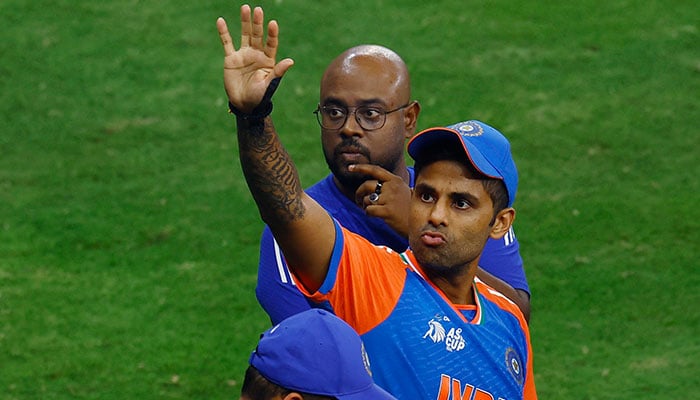
In a finale poised to crown a champion with glory, the Asia Cup 2025 on September 28 ended not with the clink of a trophy but with a jarring silence that reverberated across the cricketing world. India, having clinched a tense five-wicket victory over Pakistan in Dubai to secure their ninth title, stunned an estimated 500 million global viewers by refusing to accept the Asia Cup trophy during the post-match ceremony, leading to its unprecedented abandonment.
This act, a rare breach of sporting protocol, cast a shadow over a match watched by millions and ignited a firestorm over the intrusion of politics into cricket—a game revered for uniting nations in a region often divided by history. While there are no specific laws governing trophy refusal in cricket or most sports, the International Cricket Council’s Code of Conduct covers actions that go against the spirit of the game. Such incidents may trigger warnings, fines, or disciplinary reviews, though the team remains the recognized champion, with the trophy still legally belonging to them for later handover.
Cricket has long been a cultural lifeline in South Asia, where high-stakes encounters transcend sport to become symbols of shared passion. The Asia Cup, launched in 1984 and now in its 17th edition, has evolved from a regional contest into a global spectacle, with the 2025 tournament set to be hosted in the United Arab Emirates after logistical arrangements were finalized. At its core, the tournament is overseen by the Asian Cricket Council (ACC), the governing body for the sport in Asia since 1983. With 30 member associations, the ACC operates under the umbrella of the ICC, tasked with promoting and developing cricket across the region while ensuring competitions like the Asia Cup uphold the game’s integrity.
The 2023 clash between India and Pakistan logged 19.5 billion viewing minutes, a record likely to be surpassed this year by their group-stage encounter. Yet cricket’s unifying power has repeatedly been tested by external forces. India’s refusal to accept the trophy recalls past disruptions, like their boycott of the 1986 tournament in Sri Lanka over security concerns or the cancellation of the 1993 edition amid regional tensions—moments that scarred the competition and betrayed the spirit of fair play. The decision to forgo the trophy ceremony has been widely attributed to India’s broader political climate, where ideological priorities appear to be shaping decisions in previously neutral arenas, such as sports.
The 2025 tournament already faced strains, with reports of handshake refusals and fines for on-field conduct, underscoring how off-field dynamics can destabilize the game’s ethos. The economic stakes are significant. The Asia Cup generates revenue through broadcasting, sponsorships, and tourism, with the ICC noting that recent tournaments have generated hundreds of millions of dollars for member boards. In 2025, the champions’ prize was $300,000, supplemented by India’s cricket board with a 21 crore rupee (roughly $2.5 million) reward for their team. Disruptions like the trophy refusal risk unsettling sponsors and broadcasters, whose investments hinge on the event’s prestige and harmony, potentially impacting smaller cricket boards that rely on shared revenue to nurture talent and infrastructure.
For young athletes, the implications are profound. National teams are expected to model discipline and respect, yet when politics overshadows achievement—as seen in historical boycotts or cancellations—it undermines cricket’s role as a meritocratic unifier. The 2025 final, despite India’s on-field brilliance, now joins a list of moments where external agendas eclipsed athletic triumph, potentially discouraging emerging players in a region where cricket is a pathway to opportunity. Diplomatically, the episode frays the fabric of regional cooperation. Cricket has historically helped soften tensions, as seen in the India-Pakistan tours of the early 2000s, which fostered dialogue.
📄 POLICY WIRE WHITEPAPER PUBLISHED: PAKISTAN'S NATIONAL SECURITY POLICY PRIORITIES
👉 READ BY CLICKING HEREBy disrupting a ceremonial cornerstone of the Asia Cup, the incident risks weakening the ACC itself, where collaboration is vital for the sport’s growth across diverse nations. While nations occasionally signal political stances through sports, the choice to abandon a trophy presentation—a first in modern cricket—marks a stark departure from protocol. As stakeholders, from fans to administrators, grapple with the fallout, the debate centers on whether future tournaments can maintain their neutrality. The Asia Cup controversy underscores the fragility of cricket’s unifying power when external forces take precedence
A game that thrives on celebrating excellence and connecting communities risks losing its soul if such incidents persist. As the sport navigates this moment, the challenge lies in ensuring that its spirit endures, untainted by agendas that diminish the joy of a hard-fought victory.
Author