

Soft Power Showdown: Kane’s Ghost Looms as Norway Chases Football Glory, Global Credibility
POLICY WIRE — London, UK — Forget the scoresheet for a moment. This Saturday, as England locks horns with Norway in a FIFA World Cup quarter-final in Miami, the real contest plays out on a different...

POLICY WIRE — London, UK — Forget the scoresheet for a moment. This Saturday, as England locks horns with Norway in a FIFA World Cup quarter-final in Miami, the real contest plays out on a different field entirely: the arena of national identity and global influence. It’s more than just a football match; it’s a soft power spectacle—a high-stakes ballet of economic projections and cultural narratives.
England, once a rather sleepy giant on the international stage, has found a newfound swagger under Captain Harry Kane’s command. That’s a familiar tale, you’d say. But Norway? Their improbable surge, powered by the seemingly superhuman Erling Haaland, has them defying statistical gravity. England, a consistent top-tier contender, sits 4th in FIFA’s latest global rankings report. Norway? They’re way down at 19th, a plucky underdog making serious noise.
It’s this underdog spirit, this defiance of perceived odds, that offers nations like Norway, or frankly, any country in the nascent stages of global economic development, a potent narrative. They’ve gone beyond expectations, trouncing Brazil 2-0 before squaring off with the Three Lions. Imagine the ripple effect across small economies, boosting tourism inquiries, trade negotiations, even national self-esteem.
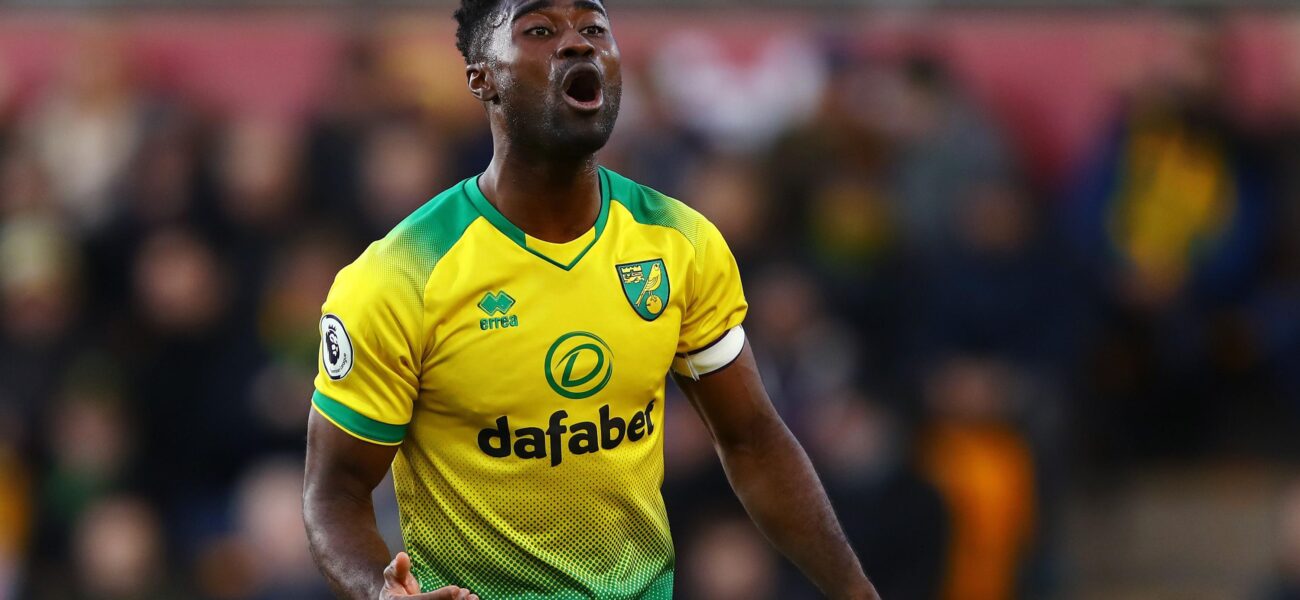
Former Norway midfielder Alex Tettey, who once shared the Norwich City dressing room with a then-awkward teenage Kane, doesn’t seem surprised by the England captain’s meteoric rise. “I wasn’t surprised at all when he started becoming the striker he’s now,” Tettey recently told reporters. “He had some attributes even as a young man that were just incredible to see. And now, he’s top, top, top. He’s got the eye for the goal, sure, but he can also drop deep—dictate play like a proper midfielder. So yeah, he’s going to be a man Norway absolutely mustn’t give an inch.” It’s clear: Kane, even in his youth, was a threat—a silent predictor of future headlines.
But the focus isn’t solely on individual genius. It’s about how that genius is leveraged. Football, much like diplomacy, relies on strategy, unforeseen angles, — and occasionally, raw, unapologetic power. This particular quarter-final clash becomes a microcosm of European political and economic clout jostling for position on the global stage. What better advertisement for national cohesion, for resilience, than a successful international sporting campaign?
What This Means
📄 POLICY WIRE WHITEPAPER PUBLISHED: PAKISTAN'S NATIONAL SECURITY POLICY PRIORITIES
👉 READ BY CLICKING HEREA victory for England fuels the long-standing myth of British exceptionalism, particularly potent post-Brexit. It provides a morale boost, yes, but also a quantifiable bump in consumer confidence and—believe it or not—softens international trade negotiations. Look at the immediate impact on sponsorship deals, merchandising, even tourist interest in the home nation following major sporting success. Just consider what these ‘global talent wars’ mean, even when it’s between friendly European rivals. As such high-profile athletic prowess becomes a global commodity, it transforms sport into an economic force multiplier.
For Norway, a win against a powerhouse like England transforms their global standing, proving they’re more than just oil and fjords. It legitimizes their rising stars—Haaland, Martin Ødegaard—as household names, boosting their visibility in markets beyond Europe, including rapidly growing fan bases across Asia and the Muslim world. The viewership for these matches in places like Pakistan, with its massive youth population and fervent interest in European football leagues, isn’t just passive entertainment; it’s a shared cultural touchpoint, a proxy for Western aspiration. Young people there don’t just watch; they invest emotionally, culturally. They’re engaging with Western narratives, sometimes more directly than through official diplomatic channels.
Dr. Lena Karlsson, a Norwegian trade attaché, hinted at this broader impact. “Our sporting achievements, particularly against larger nations, present Norway not just as a player, but as a contender on the global stage. It speaks volumes about our commitment to excellence, our organization—values that transcend the football pitch and resonate deeply with our partners internationally, especially when we’re trying to build new commercial bridges.” But then there’s the harsh reality: someone’s got to go home. The economic hit, the lost PR opportunities for the defeated nation, won’t appear on the sports pages, but it’s felt.
Tettey underscored the sheer tactical intricacy ahead. “It’s going to be a completely different sort of game than we saw against Brazil. There are layers to this—can England keep Haaland quiet? Can Ødegaard be allowed to dictate things? And for us, can we truly stop Kane, not just from scoring, but from being that central orchestrator? What about Bellingham? It’s all incredibly complex, a tactical chess match of the highest order.” He isn’t wrong. Because in this sport, the nuances of player deployment, the tactical shifts mid-game, these aren’t just for the purists. They become a real-time policy brief, shaping immediate narratives — and long-term perceptions of national competence.
The victor heads to Atlanta for a semi-final showdown against either Argentina or Switzerland. A step closer to glory, yes, but also a deeper entanglement in the geopolitics of sport—where national pride, commercial might, and global influence are inextricably intertwined. It’s a global show; everyone’s watching, including Moscow, who, let’s be honest, often watches these things for entirely different reasons: Moscow’s Steel Ring: Sport, Spectacle, and Geopolitical Undercurrents. The stakes couldn’t be higher. And it’s not just about football; it never is.