
Freetown’s Gambit: Treason Charges Fold Amidst West African Political Chess Game
POLICY WIRE — Freetown, Sierra Leone — For weeks, the air hung heavy with a sense of impending drama, thick as the city’s humid mornings. It was supposed to be a spectacle, wasn’t it? An...

POLICY WIRE — Freetown, Sierra Leone — For weeks, the air hung heavy with a sense of impending drama, thick as the city’s humid mornings. It was supposed to be a spectacle, wasn’t it? An ex-president, a charge of treason so grave it practically guaranteed a historic showdown. The kind of political theater nations like Sierra Leone often find themselves staging, much to the exasperation of their long-suffering populaces. Then, just like that, the curtains sagged. The whole affair, well, it kinda just fizzled.
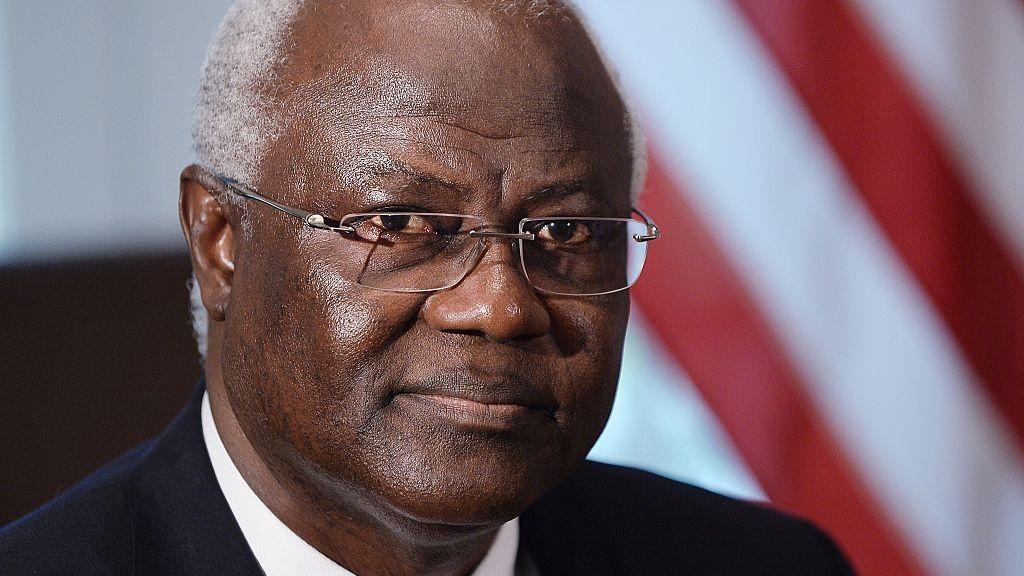
Ernest Bai Koroma, the nation’s former helmsman, who’d been staring down accusations of orchestrating a brazen attempted coup back in November, found himself abruptly – and quietly – off the hook. Prosecutors, in a move that blindsided many, suddenly withdrew the charges. Nobody’s exactly popping champagne corks, though. This isn’t some grand exoneration, or a celebration of due process; it’s pure, unadulterated political maneuvering. And everyone, from the hawkers in Big Market to the suits in State House, knows it.
President Julius Maada Bio’s government, you see, had quite the sticky wicket on their hands. Detaining a former head of state, especially one still commanding significant support, wasn’t exactly making waves with international observers—or, let’s be honest, within parts of their own citizenry. But dropping the charges after such public saber-rattling? That’s another thing entirely. It feels less like an act of grace and more like an inconvenient truth being swept under a rather large, West African rug.
“We’re not in the business of creating martyrs,” a senior official close to President Bio, who asked not to be named discussing internal strategy, reportedly quipped to Policy Wire. “Our focus, let’s be clear, is stability. That requires difficult choices, yes. But protecting our democracy, that’s not something we’ll ever back down from. This decision reflects a pragmatic path forward, not a capitulation to anyone’s whims.” A clean statement. Predictable, even. But when power plays like this unfold, you can bet there’s a whole lot more happening beneath the surface.
The opposition, naturally, is having none of it. They’re crying foul, — and they’ve got good reason to. “They threw everything they had at me, tried to smear my name, my legacy. It was baseless, political persecution, plain and simple,” an aide to former President Koroma quoted him as saying, echoing a familiar sentiment heard on the campaign trail. “This isn’t justice; it’s a desperate retreat. They couldn’t make their false accusations stick. We still await true accountability for their abuses of power against the people of this country.”
It’s a pattern we’ve seen before. Governments, especially in fledgling democracies, will often use legal instruments as cudgels against their rivals. The coup attempt itself, targeting military barracks and a central prison, felt ripped from a poorly written thriller, yet the fallout was very real. Nearly two dozen people, including a high-ranking police chief and several soldiers, were actually charged in connection with the incident. Their cases are still trundling along, out of the glare, while the biggest fish swims free.
And that’s the rub, isn’t it? The spectacle disappears, but the underlying tensions? Those don’t just vanish. Sierra Leone, despite its recent strides, still struggles with governance issues. According to Transparency International’s 2023 Corruption Perception Index, Sierra Leone ranks 108 out of 180 countries, an improvement but still highlighting deep structural challenges in public sector integrity. This isn’t just about one former president; it’s about a system. It’s about how justice is dispensed, or withheld, based on political expediency.
But the broader context? It stretches beyond Freetown’s immediate horizon. Think about emerging democracies across the Muslim world and South Asia, many grappling with similar ghosts of political infighting, coups, and a constant, often exhausting, tussle for institutional legitimacy. Pakistan, for instance, has its own complicated history with former leaders facing down judicial challenges — and occasionally, the military’s long shadow. The political dynamics of who gets charged, who gets pardoned, and who gets sidelined, well, they tell a strikingly similar story across these diverse regions. These situations often carry profound implications for a country’s economic stability and its global standing, influencing everything from foreign direct investment to how global trade and geopolitical alignments shift.
Because frankly, everyone’s watching how a nation like Sierra Leone navigates these choppy waters. These aren’t just local squabbles; they’re test cases for the endurance of democratic institutions, for the concept of rule of law in places where power too often trumps principle.
What This Means
The dropping of these treason charges against ex-President Koroma represents a calculated, albeit uncomfortable, pivot by the Bio administration. Economically, it likely aims to project an image of stability and reduce political risk, which is critical for attracting foreign investment into a country like Sierra Leone that desperately needs it. Prolonged legal battles involving high-profile figures can deter potential investors, creating an aura of unpredictability. A move like this, while domestically controversial, might be read by international bodies and financial markets as a sign of the government’s willingness to de-escalate political tensions.
Politically, it’s a tightrope walk. It signals that Bio’s government might prefer managing Koroma’s influence politically rather than legally. Locking up an ex-president, after all, could inflame supporters and potentially destabilize the very peace they claim to be protecting. But it also raises questions about judicial independence. Was this a legal decision or a political one? It makes one wonder about the ethical tightrope walked by legal professionals involved in such high-stakes political dramas. It certainly allows the Bio government to reclaim a narrative of national reconciliation, however hollow it might sound to some, and refocus energy on pressing issues like economic development and public services rather than a protracted, divisive legal circus.
Ultimately, it shows that in Sierra Leone’s political landscape, the rule of law often bows to the imperatives of statecraft. Justice isn’t always blind; sometimes, it peeks. And sometimes, it gets a polite, but firm, suggestion to look the other way.