

Why Pakistan’s Torkham Seizure Matters for National and Regional Security
The seizure of more than 21,000 rounds of ammunition at the Torkham border crossing is not just a success of routine customs. It is a strategic signal. As the region grapples with renewed militancy...

The seizure of more than 21,000 rounds of ammunition at the Torkham border crossing is not just a success of routine customs. It is a strategic signal. As the region grapples with renewed militancy and fragile cross-border dynamics, Pakistan sends yet another message: its western frontier is not an open corridor for weapons and instability.
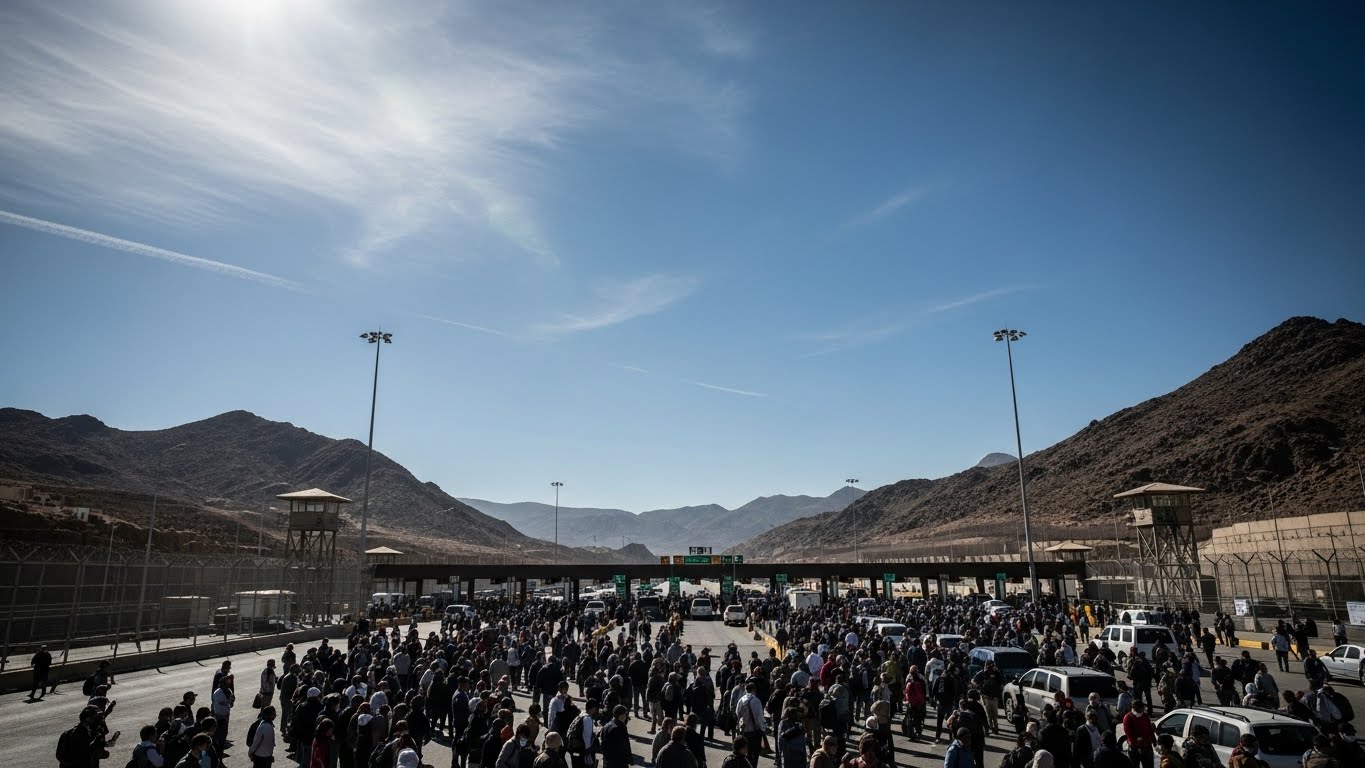
Pakistani customs intercepted the cache during routine cargo screening at the Torkham crossing, one of the busiest gateways between the two countries. What seemed like a routine shipment immediately sparked suspicion. Detailed physical inspection revealed a hidden consignment containing submachine gun bullets and rifle cartridges-ammunition sufficient to mount many terrorist attacks. The Federal Board of Revenue rightly described it as “a deliberate, organized attempt to threaten public safety and national security.”
Strategically, it is clear that this episode illustrates the changing nature of Pakistan’s border protection policy. For many years, this region, which is notoriously difficult to protect on either side of Pakistan’s Afghanistan boundary, had become a favorite route of those smuggling weapons. This is no longer the case.
The fact that the seizure took place is even more important. This is especially true for a country that has seen a recent escalation in terrorist attacks on its soil, some of which have been traced directly back to illegally trafficked guns. Each round that has been intercepted is a direct measure of the lives that have been saved as a result. A great many rounds were stopped from reaching their intended destination throughout the country, which can only mean that there were plans afoot for violence against infrastructure as well as police.
This interception also has some regional implications. Pakistan-Afghanistan relations have remained tense, along with some incidents of border closures and some security situations, during the last year itself. Pakistan, on various occasions, reiterated that it is a grave threat not just to Pakistan but to the whole region if there is no check on the flow of weapons along the border. Pakistan’s stand on not indulging on the other side, despite this interception, is supported by the fact that it is an essential requirement of a region where, otherwise, there would be law and order situations favorable to militancy.
Notably, this operation Refutes the dominant international discourse about Pakistan as a reactional or passive player when it comes to matters of security. Rather, it indicates a country proactive about defending its sovereignty, rule of law, as well as taking the hit for its role as a frontline state in combating terrorism. Pakistan’s Customs and Security Agencies are more than just countries securing their borders against illicit goods. They help shape their environment towards greater stability or insecurity depending on their operations.
Despite advancements taking place at an ever-increasing pace in Pakistan relating to the optimization of its borders through technology, intelligence sharing, as well as changes at a more organizational level, the incident at Torkham serves as a poignant reminder of a very simple yet effective truth. Pakistan is leaving little room for fanaticism. Pakistan serves as a prime shield against an unstable region where instabilities almost always cross national borders.
Author