


Beyond the Beautiful Game: How FIFA’s 48-Team World Cup is Reshaping Global Politics
POLICY WIRE — New York City, USA — The grand chessboard of international football, often a study in elegant tactics and raw athleticism, is rapidly becoming a sprawling, hyper-capitalized stadium...

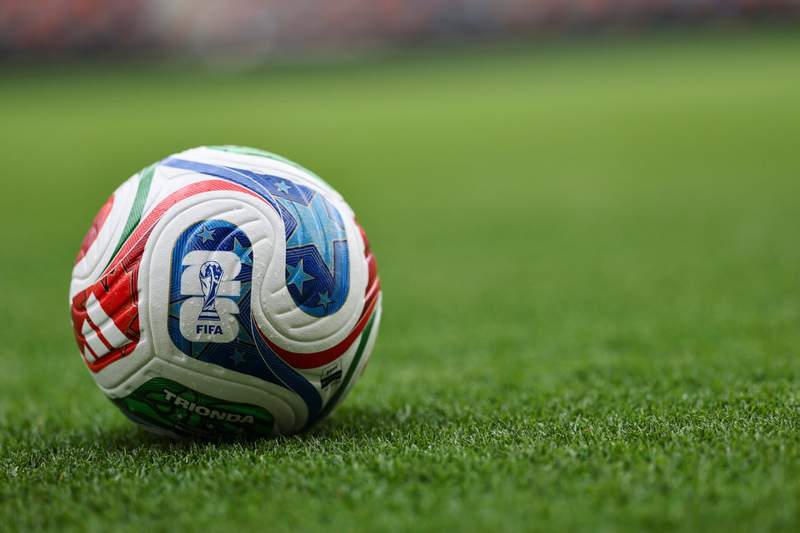
POLICY WIRE — New York City, USA — The grand chessboard of international football, often a study in elegant tactics and raw athleticism, is rapidly becoming a sprawling, hyper-capitalized stadium district. FIFA’s looming 2026 World Cup—dubbed ‘The United Tri-National Megafest’ by some weary organizers—isn’t merely another tournament; it’s an audacious geopolitical play wrapped in a soccer ball, bursting at the seams with 48 national teams and stretched across three vast nations. It’s too big. And honestly, it’s probably what modern sport needed to become to keep filling the coffers.
Canada, Mexico, and the United States will share hosting duties, a logistical challenge on par with, say, coordinating a global peace summit while simultaneously launching a fleet of Mars probes. Sixteen cities will scramble to accommodate this footballing carnival, a stark departure from the more contained affairs of yesteryear. But expansion wasn’t simply a sporting choice; it’s an economic imperative, a shrewd marketing gambit to tap into new demographics and revenue streams across the globe.
You can see it in the sheer breadth of qualified nations. Gone are the days when a select European-South American cabal dominated the field. Now, you’ve got first-timers like Curacao, Uzbekistan, and Cabo Verde, names that, for many casual observers, wouldn’t typically surface in football conversations. And because, for FIFA, more teams mean more viewership, more merchandising, more sponsorship deals—it’s pure arithmetic. But that also means a broader array of cultures descending upon North America, presenting an unprecedented opportunity for cultural exchange—or, depending on your perspective, an equally unprecedented headache for security and infrastructure planners.
Lars Rammussen, FIFA’s Head of Tournament Logistics, likely hadn’t enjoyed a full night’s sleep since 2018. “Our goal was never just to host a bigger party, but a truly representative one,” he offered recently. “You don’t get 48 nations in without expanding the tent. And we’re building a hell of a tent.” It’s a tent, I’d wager, that’ll need its own postcode, judging by the travel itineraries awaiting some teams.
And consider the geopolitical undercurrents. Nations like Saudi Arabia, Qatar, Morocco, Egypt, and Iran—all with significant stakes in the Muslim world—have secured their berths. Their participation isn’t just about athletic pride; it’s a potent projection of national identity and soft power on the international stage. Qatar’s previous hosting demonstrated the immense branding power of such an event, even amidst controversy. The Saudi Arabian government, for instance, has invested untold billions into sports in recent years, viewing these global spectacles as crucial avenues for diplomatic leverage and tourism growth, diversifying its economy beyond oil.
Even for nations not directly participating, the economic ripples are real. In Pakistan, a country famously obsessed with cricket, football’s global appeal is undeniable. While the national team isn’t among the 48, viewership for the World Cup continues its steady climb. Manufacturers in Sialkot, Pakistan, for example, have long been a key global supplier of hand-stitched footballs, including for previous World Cups. The expanded tournament fuels demand, bolstering local industries even without a direct spot on the field. That’s tangible impact.
📄 POLICY WIRE WHITEPAPER PUBLISHED: PAKISTAN'S NATIONAL SECURITY POLICY PRIORITIES
👉 READ BY CLICKING HEREMelanie Dupuis, Canadian Deputy Minister of Sport, echoed the hosts’ unified message: “For us, it’s about cementing our place on the global stage, showcasing our infrastructure, our culture, and our capacity for monumental endeavors. The economic dividends—tourism, investment, brand visibility—are simply undeniable.” She’s not wrong; the estimated economic impact on host cities is projected to be in the tens of billions of dollars, with one economic forecast by the U.S. Chamber of Commerce predicting an additional ~$5 billion in new economic activity and 40,000 jobs created in North America for 2026.
But does bigger necessarily mean better? The tournament format itself—more group games, potentially less ‘winner-take-all’ intensity early on—might test the patience of even the most ardent fans. Critics suggest this expansion dilutes the prestige, creating too many ‘meaningless’ matches and extending the event to an almost exhausting duration. It’s a calculated gamble, though, balancing the purist’s lament with the colossal, unavoidable draw of new markets and wider representation. Like the brutal arithmetic of baseball trades, it’s a decision rooted in cold, hard economics.
What This Means
The FIFA World Cup 2026 isn’t just football; it’s a stark reflection of globalizing capitalism and soft power diplomacy. Politically, the expansion provides FIFA with increased influence and bargaining power, extending its reach into nascent football markets, especially in Asia and Africa. For the host nations, it’s a colossal investment—a chance to display economic might and national unity, but also a crucible for urban infrastructure and public services. Economically, expect massive short-term boosts in tourism and hospitality, followed by a potential consolidation of global media and advertising spend around the event. This wider geographical spread of qualifying teams could also usher in a new era of talent discovery, forcing traditional footballing powers to continuously innovate or risk being left behind by emerging contenders.