


Warsaw’s Wary Embrace: The Fleeting Comfort of ‘Temporary’ Troops
POLICY WIRE — Warsaw, Poland — It’s a truth universally acknowledged, at least in certain diplomatic circles, that an assurance often conceals a worry. So it was with a practiced sigh of...

POLICY WIRE — Warsaw, Poland — It’s a truth universally acknowledged, at least in certain diplomatic circles, that an assurance often conceals a worry. So it was with a practiced sigh of relief—publicly declared, naturally—that Poland greeted the Pentagon’s latest clarification: American forces shuffled onto its soil weren’t settling in for good, but just… visiting. For now.
The message from Washington had the polished sheen of geopolitical calculus, yet its intent was unmistakably to calm nerves on NATO’s eastern edge. After some eyebrow-raising chatter about potential permanent stationing, then a subtle pivot, the U.S. clarified that any reduction in Germany—a Cold War hangover of troop placements—wouldn’t translate into a permanent move eastward. Instead, some rotations to Poland, particularly with an eye toward deterring, shall we say, certain eastern neighbors, would remain ‘temporary.’ Not quite an invitation to paint the barracks, is it?
And that word, ‘temporary,’ well, it hangs in the air, doesn’t it? It’s the kind of promise politicians make on a campaign trail, laden with good intentions but always subject to market corrections or shifting winds. For Warsaw, a nation acutely aware of its historical geography and still haunted by Soviet-era dominance, any sign of unwavering Western commitment is gold. They’ve spent decades trying to shake off that cold, grey shadow, constantly beefing up their defenses, even contributing 2.4% of their GDP to defense spending in 2023, significantly above NATO’s 2% target (Source: NATO Secretary General’s Annual Report, March 2024).
U.S. officials, bless their hearts, were quick to smooth things over. Defense Secretary Lloyd Austin, always the diplomat, conveyed a perfectly phrased sentiment: “Our commitment to Poland and the broader NATO alliance is ironclad, irrespective of specific unit movements. These are strategic adjustments, designed to enhance readiness, not diminish our collective security presence in Europe.” One could almost hear the careful intonation. But because strategy these days often means flexibility, that flexibility can make allies jittery. It’s a delicate dance of projecting strength while maintaining the ability to shift resources.
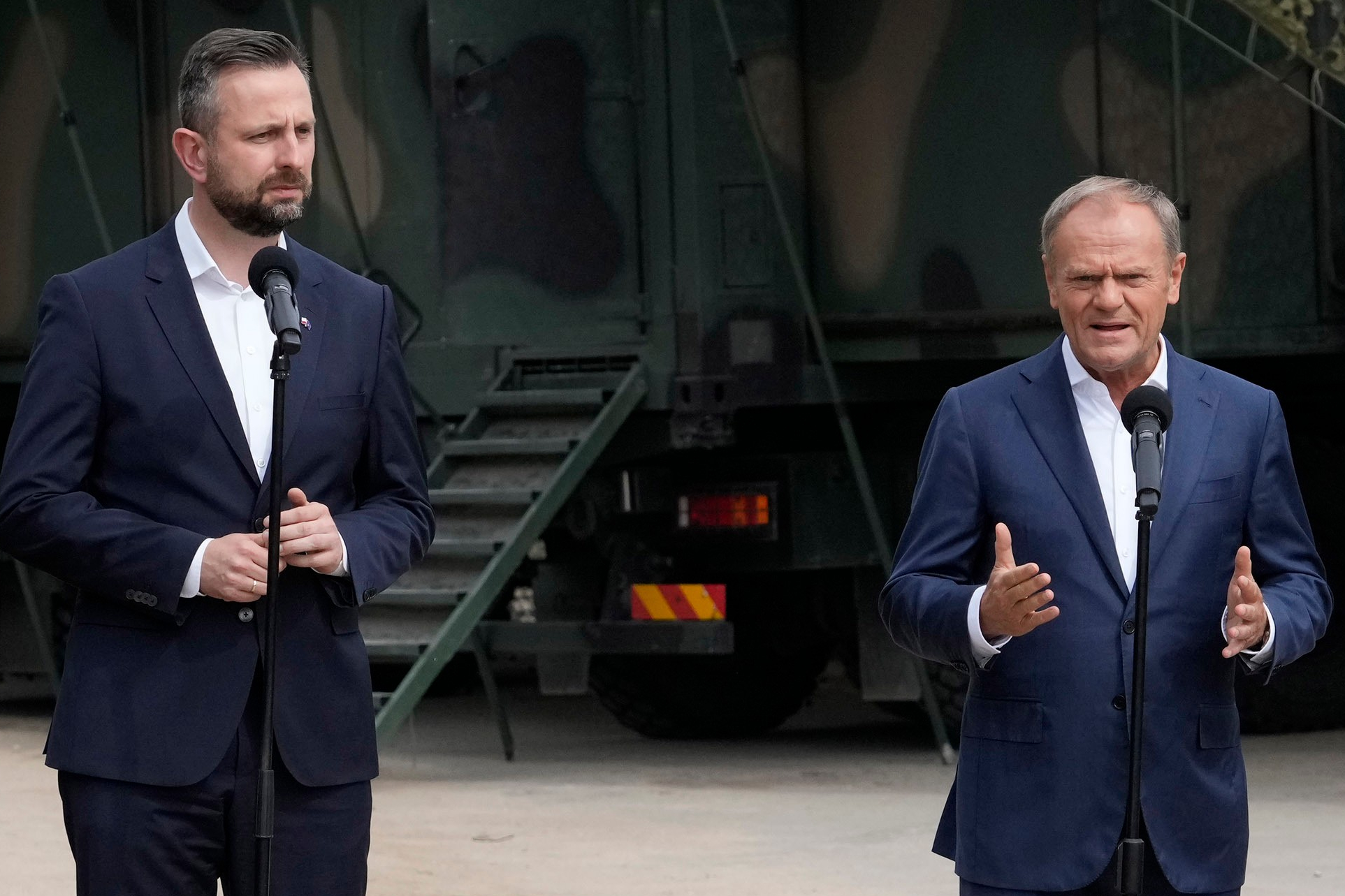
“We’re absolutely heartened by the American assurances,” stated Poland’s Defense Minister, Władysław Kosiniak-Kamysz, in a press briefing that certainly had a distinct air of relief to it. “Our partnership with the United States is paramount for regional stability. While we advocate for a permanent, robust presence, these declarations underscore our allies’ dedication to our shared security objectives, whatever their nomenclature.” His emphasis on ‘nomenclature’ was almost audible, a wry nod to the bureaucratic language that often masks deeper strategic plays. And nations like Poland aren’t oblivious to the wider global commitments Washington juggles; they watch the ebb and flow of American attention, trying to calculate where they sit in the grand pecking order.
It’s this ongoing global rebalancing, mind you, that makes such reassurances so keenly observed, not just in Eastern Europe. The nuanced language around troop deployment also echoes loudly in other capitals wrestling with Washington’s strategic priorities. Because for countries — from Warsaw to Washington — trust isn’t a given, especially when global security commitments feel like a game of whack-a-mole. It’s a delicate dance, reminiscent of anxieties whispered in places like Islamabad about long-term American engagement, where decades-long relationships have sometimes ended in abrupt changes of scenery, creating deep mistrust in political corridors. For Poland, that ‘temporary’ tag means they can’t quite relax.
One also has to wonder about the optics for Moscow. A slightly reduced, or more ‘rotational,’ American presence might be spun by the Kremlin as a weakening resolve, or at least an opportunity. But Washington wants to project agile strength. They want to be able to move forces where they need them, when they need them—be it Europe, the Indo-Pacific, or elsewhere—without causing a diplomatic incident with every battalion. But it means that countries like Poland must consistently prove their value as reliable partners and strategic assets, constantly making their case for continued, tangible support.
What This Means
This subtle diplomatic exchange, couched in words like ‘temporary’ and ‘rotational,’ signals several key undercurrents in global politics. Politically, it confirms a delicate balancing act for the U.S. in managing alliances; they’re trying to reassure NATO’s eastern flank against Russian aggression without tying too many assets down in one spot indefinitely. This strategic flexibility is a nod to a multi-polar world where crises can erupt from multiple directions—from the ongoing tension with Iran to shifting power dynamics in Asia.
Economically, Poland’s persistent push for a more permanent American footprint indicates its calculation that military presence translates into both security and, potentially, economic benefits through defense contracts and infrastructure development. The ‘temporary’ nature, while welcomed, likely means Poland will continue its substantial defense spending and independent modernization efforts. The broader economic implications for Europe are also considerable; a perceived weakening of deterrence on the eastern front could prompt other EU members to reassess their own defense outlays and increase the economic burden on the bloc to maintain collective security. It’s a constant pressure, a low hum of unease that costs money to alleviate, one way or another.