


Vietnam’s Tiny Titan: The VF2 and the Trillion-Dollar Question of Global EV Access
POLICY WIRE — Hanoi, Vietnam — While Silicon Valley still fawns over gleaming, hyper-luxe electric vehicles costing more than a modest house, Vietnam’s VinFast has quietly — some might say pointedly...

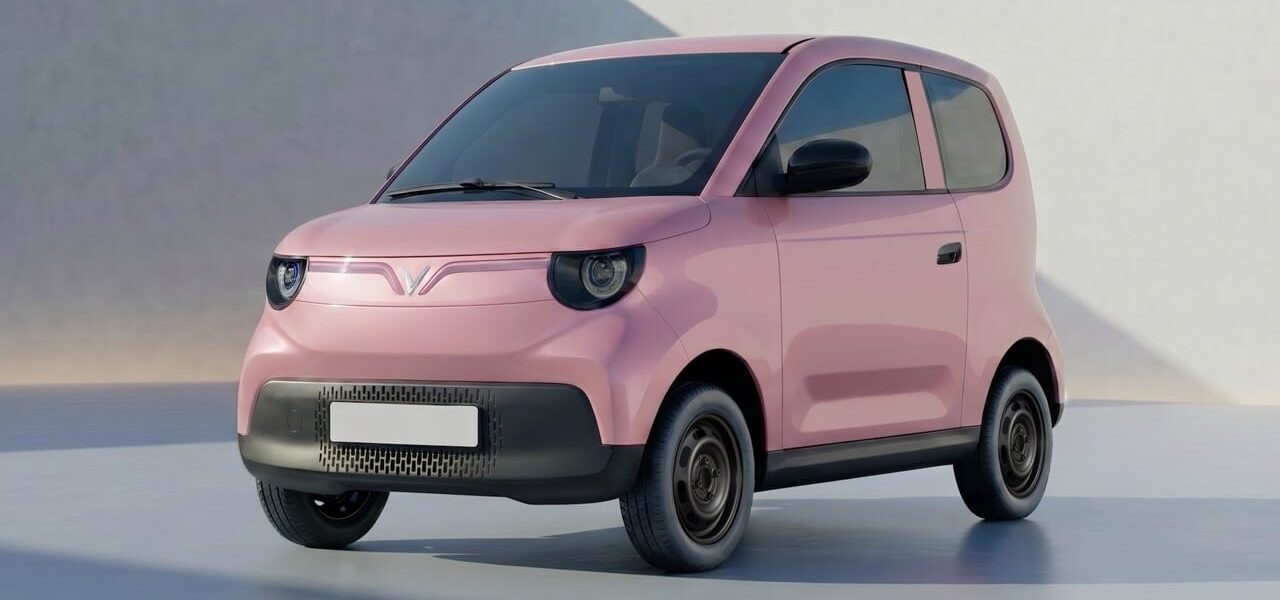
POLICY WIRE — Hanoi, Vietnam — While Silicon Valley still fawns over gleaming, hyper-luxe electric vehicles costing more than a modest house, Vietnam’s VinFast has quietly — some might say pointedly — trotted out a different kind of chariot. Not for the suburban elite, mind you, but for the millions grappling with ever-escalating fuel costs and the stubborn realities of daily life in bustling, developing economies. This isn’t a sleek status symbol; it’s the VF2, an unassumingly tiny electric vehicle, barely breaching 126 inches in length, and it asks a trillion-dollar question: Can the EV revolution truly reach everyone, or is it destined to remain an indulgence of the affluent North?
It’s a bold gamble, shifting focus from outright luxury to gritty practicality. VinFast, the ambitious Vietnamese automaker, known for its rapid — sometimes even breakneck — expansion plans, hopes the VF2 will unlock vast, untapped markets. Think Jakarta traffic, Karachi’s crowded streets, or the dense urban sprawl of Lagos. The company isn’t just making cars; it’s, ostensibly, democratizing the promise of electric mobility, trying to chip away at the formidable barrier of cost that has largely confined EVs to a privileged few.
And that’s the real story here. Because the future of sustainable transportation isn’t going to be decided solely in Palo Alto or Berlin; it’s going to be won or lost in places like Dhaka and Cairo, where reliable, affordable, and readily rechargeable vehicles could transform millions of lives, or simply become another broken promise in a long line of them. This isn’t just about reducing tailpipe emissions; it’s about economic empowerment, or the lack thereof.
Madam Le Thi Thu Thuy, CEO of VinFast Global, doesn’t mince words. “We’re not just selling cars; we’re democratizing sustainable mobility,” she stated in a recent press briefing, her tone unwavering. “The VF2 represents our unwavering commitment to making EVs accessible for everyone, especially in emerging markets where the need is most acute. It’s a game-changer for daily commuters, a real opportunity for families to embrace a greener future without breaking the bank.” Lofty aspirations, but then again, that’s VinFast’s brand.
But intentions, as they say, don’t always pave smooth roads. While the VF2 targets a specific, economically constrained demographic, the path to mass adoption remains riddled with challenges. Just consider the current landscape: globally, electric vehicles made up just over 15% of total new car sales in 2023, according to the International Energy Agency, a figure dramatically lower in many developing nations where infrastructure and affordability remain steep hurdles. Pakistan, for instance, a nation grappling with persistent economic volatility and energy crises, offers a case study in these complexities. Despite government incentives, EV penetration remains fractional, with charging stations still a rarity outside major urban centers.
Dr. Sohail Khan, Senior Economic Advisor to Pakistan’s Ministry of Finance, voiced a tempered enthusiasm. “For nations like ours, battling inflation — and import costs, an affordable EV like the VF2 could shift the paradigm. We desperately need to reduce our oil import bill, which cripples our economy. But it’s not merely about the vehicle; it’s about the infrastructure, the tariffs, — and ensuring equitable access. We need real solutions, not just fancy concepts rolled out with a ribbon.” Khan’s pragmatism isn’t an isolated view; it echoes concerns across the global South. How does a single car, however diminutive or competitively priced, overcome entrenched energy policies, inconsistent electricity grids, and the prohibitive cost of setting up a national charging network?
📄 POLICY WIRE WHITEPAPER PUBLISHED: PAKISTAN'S NATIONAL SECURITY POLICY PRIORITIES
👉 READ BY CLICKING HEREAnd let’s not forget the geopolitics. The scramble for rare earth minerals, the dominance of Chinese battery producers—it’s all part of this brutal dance. Emerging economies, already beholden to global market forces for everything from wheat to medicine, could find themselves trading one form of dependency (fossil fuels) for another (EV tech and its upstream components). It’s a new global supply chain, — and some players are poised to win bigger than others.
What This Means
VinFast’s VF2, despite its small stature, carries significant political — and economic weight. If successful, it could redefine market expectations for electric vehicles in developing countries, forcing larger, more established manufacturers to innovate on affordability rather than just luxury. This shift would have profound implications for urban planning, energy infrastructure investment, and even foreign policy, as nations compete for resources and technological partnerships. Economically, mass EV adoption in populous emerging markets would drastically alter global energy demand patterns, impacting oil-producing nations and accelerating the transition towards renewables. But the onus isn’t solely on manufacturers; governments in the Global South face immense pressure to incentivize adoption, invest in robust charging networks, and perhaps most critically, establish clear regulatory frameworks that support — rather than stifle — this transition. The VF2 might be just a car, but its trajectory could signal the true global readiness for an electric future, or merely expose the deep structural inequalities that continue to define the modern world. The path forward? It’s messy, uncertain, — and incredibly expensive.