


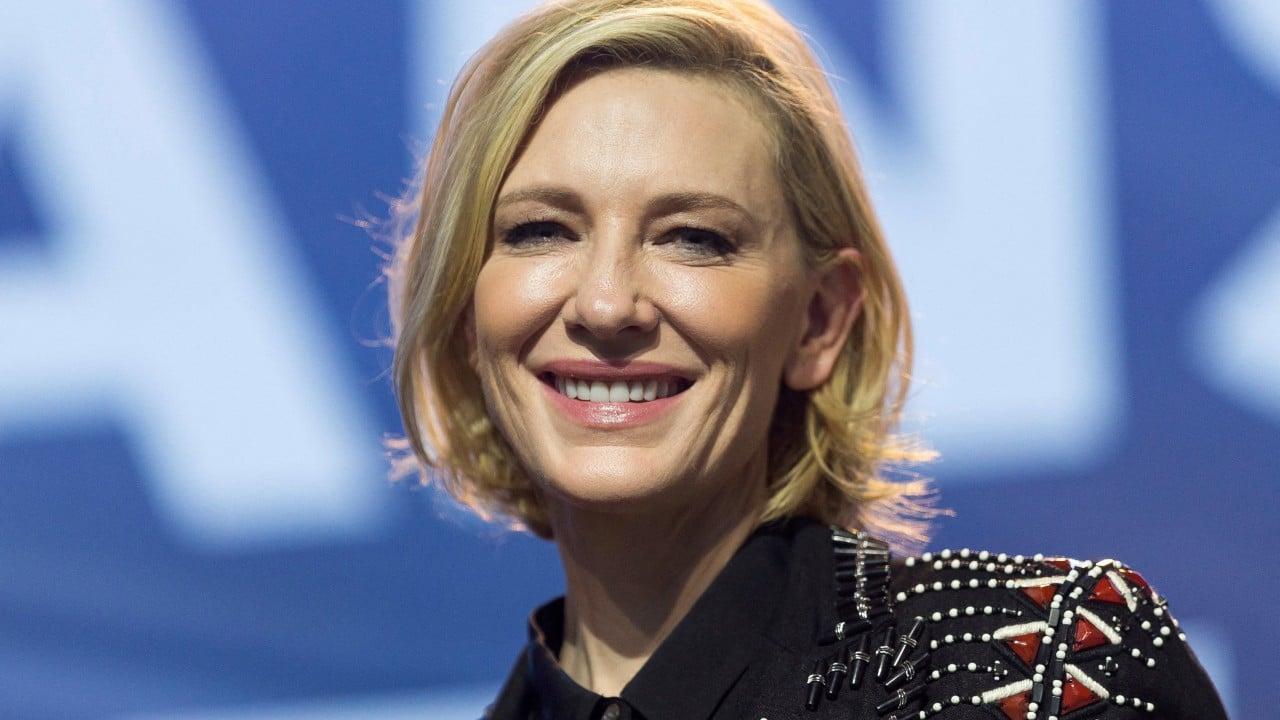
Cate Blanchett and Angelina Jolie Urge Stronger Refugee Protections as UN Convention Marks 75th Anniversary
Cate Blanchett, Angelina Jolie, and Archbishop Sarah Mullally call for enhanced refugee protections amid growing pressure on global asylum systems.

POLICY WIRE — London, UK — Prominent figures including Cate Blanchett, Angelina Jolie, and Archbishop of Canterbury Sarah Mullally have called for stronger protections for refugees as the United Nations marks the 75th anniversary of the 1951 Refugee Convention. The convention, drafted in the aftermath of World War II, provides legal safeguards for refugees, a necessity underscored by the tens of millions displaced during that conflict.
In a joint statement issued on Tuesday, the public figures emphasized the need to uphold these protections despite increasing pressure on global asylum systems. “The principles of safe refuge and protection for those fleeing persecution must remain at the forefront of our collective conscience,” Blanchett stated.
Jolie, who serves as a UNHCR Special Envoy, added, “As we commemorate this significant milestone, it’s crucial that we recommit to the values and protections enshrined in the convention. The challenges faced by refugees today are as pressing as ever, and our response must be commensurate with their needs.”
The 1951 Refugee Convention defines the rights of refugees — and the legal obligations of states to protect them. Despite broad support for the principle of safe refuge, many governments have been tightening border controls and asylum policies in recent years, raising concerns about the convention’s effectiveness.
The United Nations has expressed alarm over the mounting pressures on asylum systems worldwide. Filippo Grandi, the UN High Commissioner for Refugees, noted, “The 75th anniversary of the Refugee Convention is a moment for reflection and recommitment. We must ensure that the convention’s principles are not only preserved but actively promoted in an era of increasing displacement.”
Archbishop Mullally highlighted the moral imperative to protect refugees, stating, “As people of faith and conscience, we’re called to stand with those who are most vulnerable. The Refugee Convention is a testament to our shared humanity — and must continue to guide our actions.”
The call for strengthened protections comes amid ongoing global displacement crises, including conflicts in Syria, Afghanistan, and Myanmar, as well as the impacts of climate change and natural disasters. The UNHCR reports that there are currently over 26 million refugees worldwide, with millions more internally displaced.
As the international community reflects on the legacy of the 1951 Refugee Convention, the message from Blanchett, Jolie, Mullally, and others is clear: the need for robust refugee protections has never been greater.
Reporting by Policy-Wire (PW)