

USA and Saudi Economic Partnership
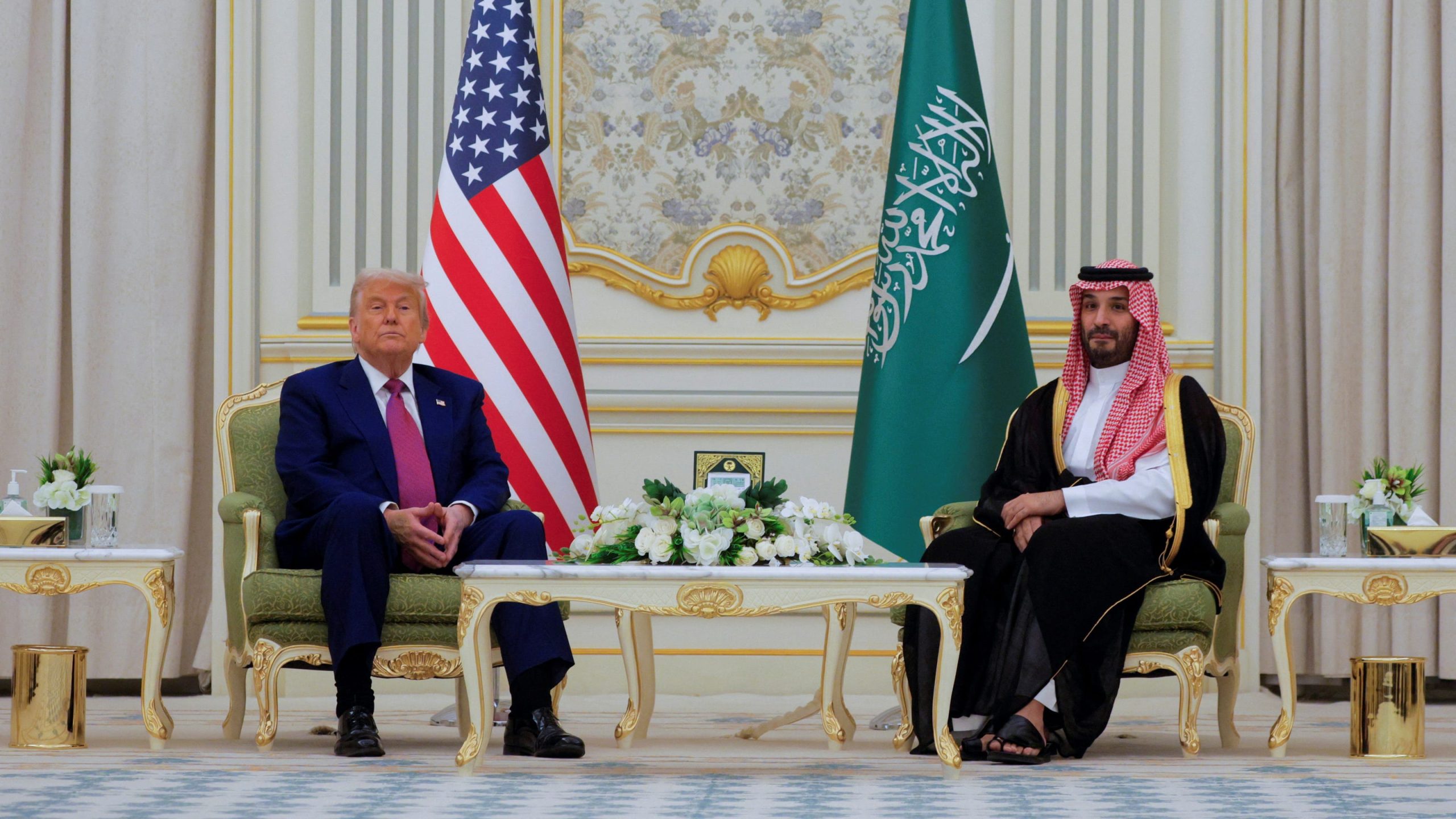
U.S President Donald Trump is on a visit to the Middle East for strong diplomatic ties with its allies, and the recent deal of 600$ between the U.S and Saudi Arabia is showing the strategic evolution...
U.S President Donald Trump is on a visit to the Middle East for strong diplomatic ties with its allies, and the recent deal of 600$ between the U.S and Saudi Arabia is showing the strategic evolution of the USA and Saudi economic partnership that has shifted from defense and oil to diversified investments in infrastructure, clean energy, technology, and tourism. The United States has emerged as a major partner and investor in Saudi Arabia’s Vision 2030, its ambitious reform drive aimed at reducing reliance on hydrocarbons.
Energy cooperation and security agreements have historically been at the heart of U.S.-Saudi relations. However, Saudi Arabia has aggressively pursued foreign direct investment (FDI) in non-oil sectors since 2016, particularly through the Vision 2030 plan headed by Crown Prince Mohammed bin Salman. In response, American investors, both public and private, have increased their involvement in several key industries.
Companies including Google Cloud, Amazon Web Services, and Oracle have established data centres and partnerships to support Saudi Arabia’s growing digital economy. American technology and engineering firms have expressed interest in the $500 billion NEOM smart city project. The United States is progressively supporting Saudi Arabia’s renewable energy projects, even though oil still dominates commerce. Partnerships between American companies and the Saudi Public Investment Fund (PIF) in solar, carbon capture, and hydrogen production demonstrate a shared interest in sustainable energy.
American businesses are swiftly extending their operations in Saudi Arabia’s rapidly expanding healthcare sector in response to the Kingdom’s ambitious Vision 2030 ambitions to improve quality of life and modernize public services. Major organizations like Johnson & Johnson and Pfizer are at the vanguard of this movement, forging collaborations and investing in biotechnology, advanced medical equipment, and digital health platforms. These initiatives are supporting Saudi Arabia’s shift from a treatment-based approach to one that emphasizes personalized medicine, data-driven diagnostics, and preventive care.
This change extends beyond the medical field. The Kingdom has created new prospects in previously underdeveloped or constrained consumer-focused industries as part of its larger economic diversification. American companies in the leisure and entertainment sectors have taken advantage of this. After decades of prohibition, AMC Theatres was the first to reopen public movie theatres, and Six Flags is working with them on a massive project that will eventually become a popular tourist destination: a theme park in Qiddiya. In addition to increasing non-oil earnings, these developments help to build a thriving cultural ecology that will draw tourists from both domestic and foreign countries.
The defense partnership between the United States and Saudi Arabia is also changing amid these economic endeavors. Even if American defense companies still have a big part to play, there is a noticeable shift towards technology transfer, cooperative research, and collaborative manufacture. Saudi Arabia’s localization program, which seeks to produce at least 50% of its defense hardware locally by 2030, is in line with this strategy. A new era of strategic collaboration based on mutual technological advancement and long-term sustainability has begun as companies such as Lockheed Martin and Raytheon have started to establish industrial alliances with Saudi industries to develop capabilities within the Kingdom.
U.S. investment serves both economic and diplomatic goals. Despite regional challenges, especially with Iran, Yemen, and changed power dynamics after Afghanistan, strengthening financial links aids in stabilizing the larger U.S.-Saudi cooperation. The Biden administration’s balancing act, which entails pressing Riyadh on human rights while reaffirming geopolitical interests, complicates the investment story.
Despite growing potential, concerns remain. Among these are Saudi Arabia’s record on human rights, its role in regional conflicts, the bureaucratic red tape faced by foreign businesspeople, and the unpredictability of regulatory regimes. Due to the controversies surrounding surveillance technologies and land displacement, U.S. corporations involved in high-profile projects such as NEOM also need to address reputational risks.
📄 POLICY WIRE WHITEPAPER PUBLISHED: PAKISTAN'S NATIONAL SECURITY POLICY PRIORITIES
👉 READ BY CLICKING HERESaudi Arabia is planning for the future and may fund more departmental projects, such as a bilateral partnership in green technology. With more success, the new arrangement creates more opportunities. They might result in more U.S. participation in the privatization of Saudi state-owned assets and the development of AI and digital infrastructure from oil-centric collaboration.
Saudi Arabia’s vision is strongly met by the U.S investment that has the potential to decide the future of the kingdom. The Kingdom’s future is being significantly shaped by U.S. investment as Saudi Arabia changes its economic paradigm. Despite its complexity and change, the alliance is still based on shared interests, Riyadh’s economic diversification, and Washington’s geopolitical influence.
In general, the U.S. and Saudi relationship is gradually changing from being based mostly on security and energy to becoming more varied and innovation-driven. American businesses are playing a significant role in Saudi Arabia’s repositioning as a regional center for innovative manufacturing, healthcare, entertainment, and technology. Beyond transactional relationships, new avenues for collaboration have been made possible by Vision 2030’s emphasis on localization, sustainable development, and knowledge sharing. Even though there are still obstacles to overcome, the growing economic involvement shows a common desire for long-term stability, reciprocal development, and a redesigned strategic partnership appropriate for the twenty-first century.
Author