
Unseen Scars: Albuquerque’s Search for July’s Phantom, A Year On
POLICY WIRE — ALBUQUERQUE, N.M. — The smell of lingering fireworks — their acrid dust still hanging heavy in the late summer air — couldn’t mask the different kind of burning in Albuquerque...

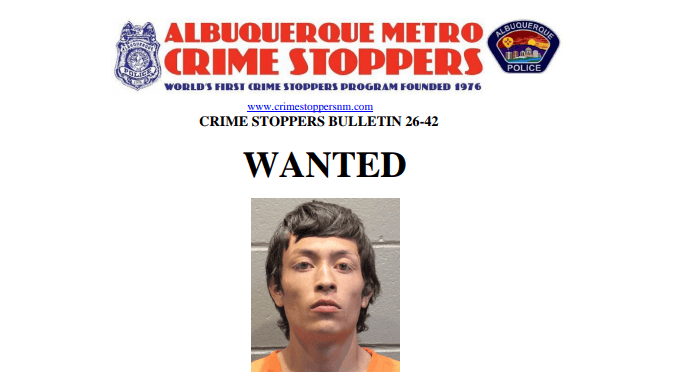
POLICY WIRE — ALBUQUERQUE, N.M. — The smell of lingering fireworks — their acrid dust still hanging heavy in the late summer air — couldn’t mask the different kind of burning in Albuquerque that July. A year on, the smoke has long cleared, but the memory, — and the man responsible, remain painfully out of reach. We’re talking July 4th, last year, when holiday revelry turned grim along Zuni Road — and San Pablo Street. A man died. And the alleged shooter, Alejandro Cervantes, is still a ghost, leaving local law enforcement scratching their heads, and an already wary public wondering just how safe they truly are.
It wasn’t supposed to be like this. Independence Day is for barbecues, family, the occasional rogue firecracker — not a violent end in southeast Albuquerque. But it happened. And now, the Albuquerque Police Department (APD) finds itself in the uncomfortable position of asking for help, relying on anonymous tips, on an anniversary of sorts that nobody wanted to mark. The details are sparse, really; Cervantes, on a BMX bike at the time, vanished into the urban sprawl. He’s been a phantom ever since.
“We’ve chased every lead, turned over every stone,” remarked APD Chief Harold Gomez, his voice thick with a mix of frustration and resolve during a recent press brief. “But some cases, they just… go cold. Not for lack of trying, mind you. This isn’t a game; there’s a family still hurting. We won’t stop until he’s brought in.” You’d hear that sort of thing a lot from cops, sure, but his inflection had a definite edge this time around. It felt more like a personal affront.
This persistent elusive culprit highlights a nagging fear in urban centers across the country: that sometimes, the violence just slips away, unresolved. And it creates ripple effects, you know? Not just in this neighborhood, but in the general sense of well-being for folks who just want to feel secure in their own towns.
For immigrant communities, like those from South Asia and the Muslim world who’ve sought new beginnings in places like Albuquerque, such protracted criminal investigations, and the lingering threat of unpunished violence, can feel like a bitter reminder of the instability they may have left behind. They’ve built lives here, but these kinds of shadows can certainly rattle a sense of newfound peace. It makes you wonder how deep the commitment to safety runs when something so brazen, so public, can remain unresolved for so long.
Mayor Tim Keller, always keen to project an image of a city getting its act together, didn’t mince words. “Every unsolved crime chipped away at our collective spirit,” he stated firmly, likely hoping the conviction in his voice would manifest into a suspect in handcuffs. “Our streets must be safe for everyone. We’re pouring resources into our policing, our community outreach. We absolutely can’t have these sorts of specters hanging over our holidays. Not again.” It’s a good line, isn’t it? Very mayoral.
The city’s Crime Stoppers unit, it’s worth noting, saw a 15% increase in anonymous tips concerning violent crimes in the six months following this specific incident, compared to the same period the previous year. That data, culled directly from Crime Stoppers’ internal reports, suggests people are rattled, even if they’re hesitant to put their name on the dotted line. They want things fixed. They’re just not entirely sure they trust the system to protect them if they speak up too loudly.
📄 POLICY WIRE WHITEPAPER PUBLISHED: PAKISTAN'S NATIONAL SECURITY POLICY PRIORITIES
👉 READ BY CLICKING HEREBecause ultimately, when a community has to resort to calling anonymous tip lines to resolve what should be straightforward police work — a manhunt with a named suspect — it says something about the public’s confidence, or lack thereof. And it puts extra strain on departments that are already struggling to rebuild trust after years of high-profile scrutiny. It’s a silent tally that accrues, even if nobody’s formally counting.
What This Means
This isn’t just about catching one alleged shooter; it’s a stark snapshot of urban law enforcement’s enduring challenges. Politically, a drawn-out search for a suspect in a high-profile, holiday murder can become a thorn in the side of any administration. It fuels narratives of insufficient police funding (or inefficient spending, depending on your angle), community mistrust, and a general erosion of the social contract. For Mayor Keller, whose political future hinges on perceptions of public safety, Cervantes’s continued evasion is, let’s say, suboptimal. He’s got to show tangible progress. Economically, prolonged periods of elevated crime—or even the *perception* of it—can deter investment, keep people from patronizing local businesses, and generally stifle urban revitalization efforts. People just don’t feel like stepping out if they think their local patch isn’t safe. And when violence bleeds into traditionally joyous public holidays, it leaves a deeper scar, suggesting no time or place is entirely immune. That erodes public morale; it’s not a healthy vibe for commerce or community building. There’s real pressure on APD here, not just to solve a crime, but to shore up public confidence, too.
Anyone with info, they’re still urging you: dial up Crime Stoppers at 505-843-7867, hit p3tips.com/531, or text “ABQCS” to 738477. The streets need answers. And Albuquerque, it seems, can’t quite rest until they get them. It’s that simple.