


The Brutal Economics of Dreams: Barcelona’s Pursuit of Arsenal Star Ignites Global Market Frenzy
POLICY WIRE — London, UK — The ink’s barely dry on some contracts, but the transfer market, that ravenous beast, is already rumbling. It doesn’t wait for season’s end, does it? Reports...

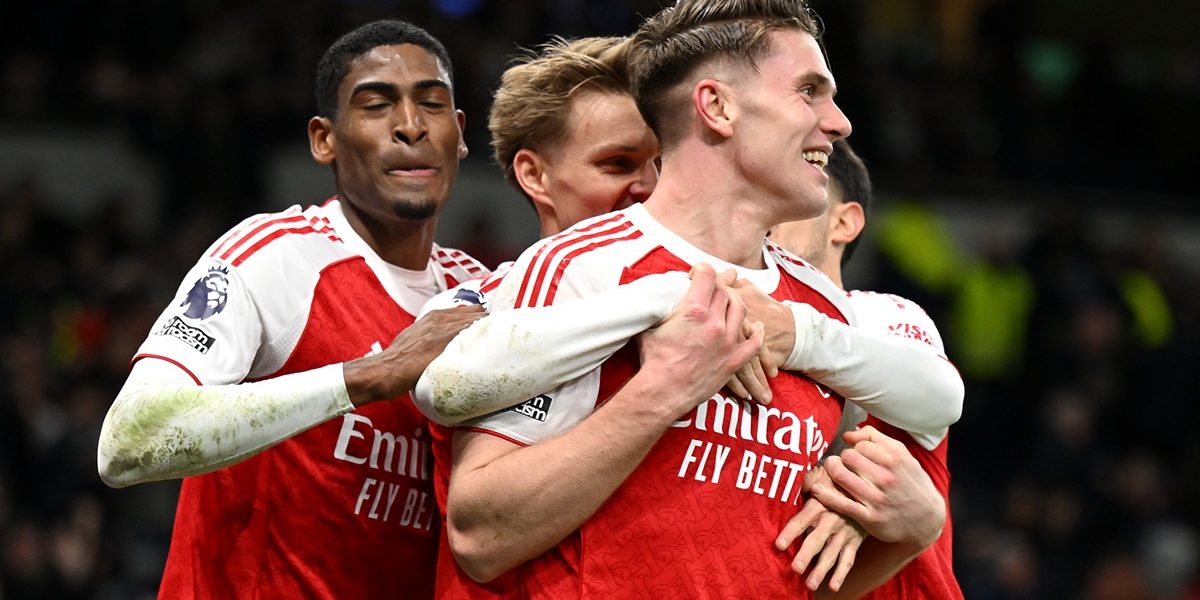
POLICY WIRE — London, UK — The ink’s barely dry on some contracts, but the transfer market, that ravenous beast, is already rumbling. It doesn’t wait for season’s end, does it? Reports suggest Barcelona, perennial giants burdened by ambition and historical debts, are already sniffing around Arsenal’s recent acquisition, Viktor Gyokeres. Barely a year into his Gunners tenure, and the whispers from Catalonia indicate a potential swoop, setting the stage for what could be an incredibly acrimonious summer standoff.
It’s a tale as old as football itself, really, just played out now on a dramatically inflated, globally televised stage. Arsenal spent a tidy sum bringing Gyokeres aboard, seeing him as a linchpin for future success—not just domestically, but on the European front too. And he’s delivered, spectacularly, particularly in the latter half of the season. His early days at the Emirates were perhaps a slow burn, but he’s since evolved into the sharp-edged attacking presence they craved, scoring goals that keep their aspirations alive. So, for him to be already eyed up? It says a lot about the contemporary landscape of the sport.
The alleged interest from Barcelona, hot on the heels of veteran striker Robert Lewandowski’s imminent departure, underscores a relentless cycle of procurement and disposal in top-tier football. Teams aren’t just competing on the pitch anymore; they’re locked in a high-stakes corporate chess match for talent, where loyalty often bends to the irresistible force of mega-bucks and prestige. Barcelona, despite its recent financial tribulations, operates with a certain entitlement, doesn’t it? The club believes it can simply unpick Arsenal’s strategy by offering the right price, or by appealing to the player’s ambition. And it’s not an unreasonable assumption, given their historic allure.
“We operate under fiscal prudence, yet we owe it to our immense global fanbase to compete at the very highest echelons,” stated Barcelona President Joan Laporta in a recent (and quite pointed) press conference, when questioned about transfer targets generally. “Sometimes, strategic investment means tough choices—not for pleasure, but for progress.” It’s a statement that rings with the sort of detached pragmatism common among elite football executives. But, Arsenal isn’t a small fry club, not anymore. They’ve got plans, big ones, — and Gyokeres is central to them. You don’t just sell your best pieces, not when you’re finally building something coherent.
Vinai Venkatesham, Arsenal’s Chief Executive, wouldn’t be drawn on specific players, naturally, but he recently articulated the club’s stance clearly. “Our long-term strategy involves nurturing — and retaining key talent. We’re building something special here, a project underpinned by stability — and ambition. Our most valuable assets aren’t for sale, full stop.” His words, while diplomatic, signal an unwillingness to play ball. They’ve invested too much, culturally and financially, to let a burgeoning star walk away after just one season. And who’d blame them?
This kind of player churn impacts everything, doesn’t it? From the broadcast rights that keep entire leagues afloat, to the millions of fans glued to screens worldwide. In places like Pakistan, for instance, where European football enjoys a massive, passionate following—a connection often reinforced by diaspora communities—these sagas aren’t just sports news. They’re a weekly cultural touchstone, generating untold hours of discussion — and engagement. Broadcast deals in such regions become vital arteries of club revenue, fueling further high-profile transfers, perpetuating the whole elaborate ecosystem. The clubs become cultural exports, in a way, their narratives shaping identities far from their European roots.
Because ultimately, it’s about numbers. The sheer scale of money involved is eye-watering. The brutal economics of athletic dreams—they aren’t confined to a single sport. According to FIFA’s Global Transfer Market Report for 2023, international player transfers generated a record-breaking $7.36 billion. And that figure? It just keeps climbing. Every season.
What This Means
This particular transfer drama, if it fully ignites, speaks volumes about the ruthless logic governing elite European football. It’s no longer simply a game; it’s a global commodities market for human talent, highly speculative and deeply interconnected with broader economic trends. Clubs, much like multinational corporations, strategize for competitive advantage, often at the expense of perceived sentiment or loyalty. Barcelona’s pursuit, born of financial pressures and a strategic desire to stay at the apex, will test Arsenal’s newfound resolve. The Gunners, having endured years of strategic missteps, are now determined to hold onto their prize assets, asserting their return to the top tier of European power brokers.
these transfer battles are proxy wars for institutional strength. Can a club like Arsenal resist the historical pull — and financial might (even if strained) of Barcelona? It reflects directly on their long-term vision, their financial health, and their capacity to attract and keep future stars. It’s not just about one player, you see. It’s about setting precedents for player mobility and club autonomy in an era where the lines between athlete, asset, and global brand are constantly blurring. For Policy Wire readers, this isn’t just football; it’s a window into modern capitalism’s sharpest, most competitive edges—where talent is currency, and every club, ultimately, is a corporation vying for market share.