
The Urgent Need for Content Regulation in Pakistan’s Drama Industry
Pakistan’s television drama industry, once renowned for its quality storytelling and cultural relevance, has gradually devolved into a platform that frequently violates our core Islamic values...

Pakistan’s television drama industry, once renowned for its quality storytelling and cultural relevance, has gradually devolved into a platform that frequently violates our core Islamic values and societal norms. The recent uproar over numerous controversial dramas has exposed critical flaws in our content regulation system, demanding immediate government intervention to protect our cultural and religious identity.
The outrageous example of Tere Bin, wherein the theme of marital rape was dramatized to cause a gripping twist instead of a criminal offense is a wakeup call to the decline in quality of our entertainment industry. This was not simply bad narrative – this was a direct attack on the Islamic teachings of mutual respect and dignity and consent within the marital relationships. The worst part of this scenario, as it is alright that PEMRA did nothing until widespread public protest ensued, is that this problem proved the inherent flaw of the reactive conception of censorship. Even subsequent plot elements were implemented by the producers of the drama to exonerate this disturbing depiction, but by this point the damage was already extensive, with millions of the movies audience having been exposed to this depraved normalization of domesticated violence.
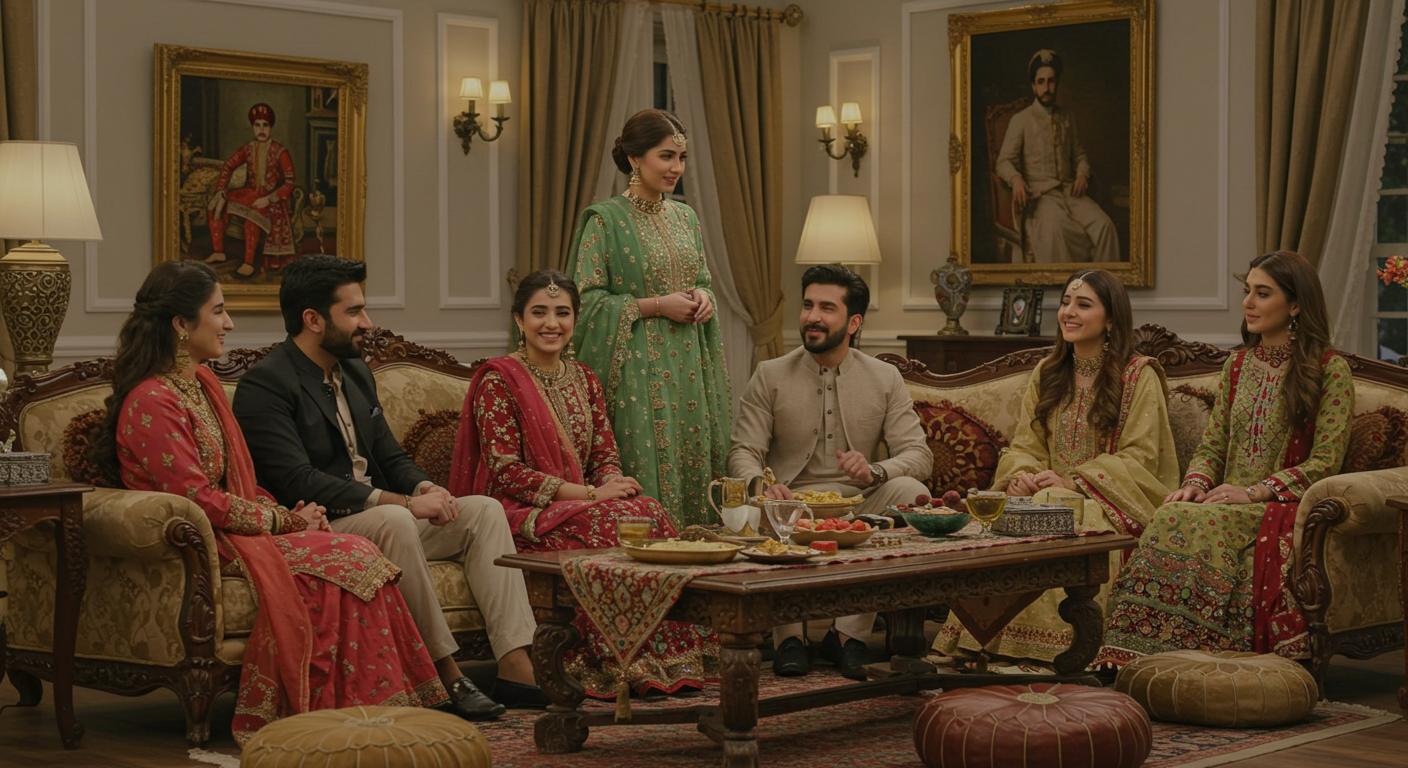
The case of Mann Mast Malang means one more alarming tendency: the dramas in Pakistan are getting more and more vulgar. With the presence of controversial dialogues, indecent dressing, and unwarranted explicit scenes, the drama is clear on the blurring of cultural boundaries that have been traditional Pakistani entertainment. While creative expression should be encouraged, it cannot come at the expense of our societal values. What’s particularly disturbing is that such content faces no preemptive restrictions, only potential consequences after public complaints – by which time the harmful content has already reached millions of households.
The Sher controversy further highlights systemic failures in content regulation. Containing clearly objectionable themes, this drama was allowed to air without proper scrutiny, forcing PEMRA to intervene only after significant public backlash. This raises serious questions about the approval process – why are such scripts greenlit in the first place? Who is responsible for evaluating content before production begins? The absence of clear answers to these questions points to a glaring regulatory vacuum that urgently needs to be addressed.
These are individual cases but they are symptomatic of a wider trend. The great problem with the system as it is today is that it is reactive. As compared to the initiative that has a very strict policy of cultural preservation such as Turkey, Iran or Saudi Arabia, Pakistan does not have the assessment of pre-broadcasting. Our dissatisfaction based scheme implies that seeding with harmful material is not curbed until the masses feel that there is enough pressure to cause law enforcers to intervene. At this point, it is too late – both audiences have consumed poisoned discourse and producers have been rewarded with notoriety. This establishes perverse incentive because boundary expansion starts to be a lucrative practice with ethical aspects playing second fiddle to financial gain.
The remedy needs a sweeping change on various fronts. To start with we should have a pre-screening committee that is mandatory to examine the scripts and the final edit, which will have scholars in Islamic fields, culture experts, psychologists and media experts, where the scripts along with the final edit will be reviewed thoroughly before allowing production. Such a committee ought to be empowered to either insist on changes or even discard the content going against the set regulations. The status quo, the system of punishment after broadcast is inadequate – once prevention should be the game. Secondly we must have explicit unambiguous content guidelines that specifically discourage glorification of any behavior that is not based on Islamic teachings. At least, these guidelines would be designed after consulting with religious scholars and cultural experts in a manner that they indeed capture the Pakistani values and not importation of Western ideas.
Third, there must be a total reform on the penalty system. Fines are currently so insignificant next to contentious content payouts. What we must have are much heavier financial penalties, show suspensions and, in repeated cases, license revocations. Such stringent measures are the only way to come up with effective deterrents to unethical production of content.
There is no uncertainty about the way to the future which needs resolution. PEMRA with the help of the Ministry of Information and Broadcasting should institute stringent pre censorship measures forthwith. It is our culture and we should not lose that integrity, every day of delay translates into more dangerous content getting to delicate populations. It is the duty of the government to safeguard that moral structure of our society, to work out a system of pro-active control over the content of what its media says and does before another generation grows up with heard those toxic messages.
This isn’t about restricting creativity – it’s about ensuring creative expression aligns with our values. Many Islamic countries have successfully maintained thriving entertainment industries while respecting religious and cultural boundaries. Pakistan can and must do the same. The alternative – continued moral degradation disguised as entertainment – is simply unacceptable for a nation founded on Islamic principles. The choice is ours to make, but we must make it now, before it’s too late.
Author