


The Peril of Plushness: China’s Bid for Automotive Opulence Sparks Safety Alarms
POLICY WIRE — Beijing, China — Few things captivate the modern consumer quite like an indulgent experience, an extra layer of soft cushioning in an otherwise hard-edged world....

POLICY WIRE — Beijing, China — Few things captivate the modern consumer quite like an indulgent experience, an extra layer of soft cushioning in an otherwise hard-edged world. We’ve grown accustomed to products designed to coddle, to make life a little too easy, a touch too serene. But what happens when that relentless pursuit of comfort crashes headfirst into the stark realities of road safety? China, with its burgeoning luxury market, now grapples with precisely this paradox in its automotive industry, and it’s raising eyebrows among the grey suits in regulatory bodies.
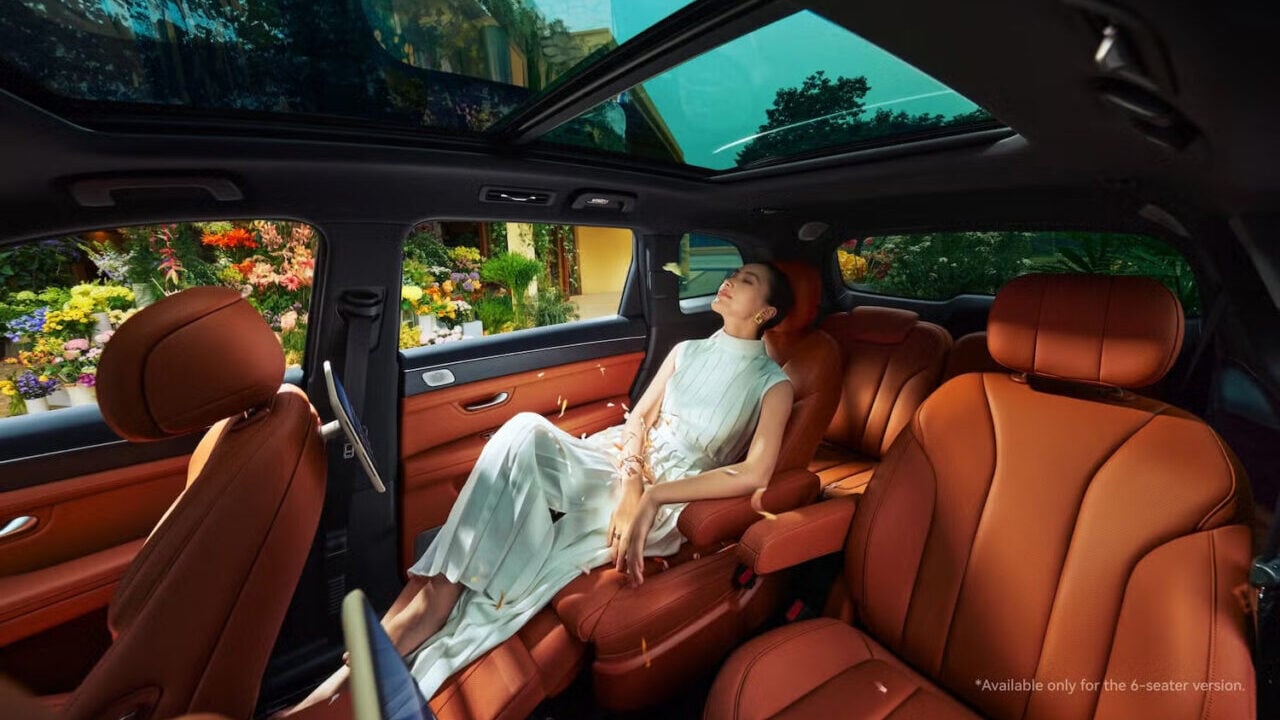
It isn’t about airbags, or crumple zones, or advanced driver-assistance systems. No, this isn’t about the nuts — and bolts of traditional automotive safety. This is about the car seat. The very perch upon which one places oneself for a journey has become an unexpected point of contention. Regulators, it seems, harbor a rather particular anxiety. They’re whispering — or perhaps more accurately, quietly drafting memos — about the sheer opulence of these seats. We’re talking about seats so ergonomic, so enveloping, so profoundly comfortable that they might just lull drivers and passengers into a state of blissful, and potentially dangerous, detachment. [QUOTE_PLACEHOLDER]
Because, as sources close to the regulatory bodies indicate, there’s a growing apprehension that ultra-plush, “zero-gravity” style seating in China’s domestic luxury vehicles could be fostering an unwitting complacency. It’s a curious line of thought, isn’t it? That a feature designed to enhance the driving experience — to emulate, perhaps, a first-class cabin on a long-haul flight — could instead dull the senses, slowing reaction times, diminishing situational awareness. It’s less about the structural integrity in a crash, more about preventing the crash altogether, or at least reacting sharply when trouble invariably appears on the asphalt.
The People’s Republic has an insatiable appetite for luxury, a desire not just for practical vehicles, but for rolling palaces. Luxury car sales in China, for instance, surged by over 15% in the last fiscal year, according to a recent market analysis from JD Power. It’s an environment where manufacturers scramble to differentiate their offerings with ever more extravagant features. Heated, cooled, massaged, reclinable, even fully flat configurations; they’ve become selling points. And it’s a feedback loop: consumers demand more, manufacturers deliver, and suddenly you have what some are now terming the “sleep effect”.
But there’s a broader conversation lurking beneath this plush problem. It concerns the global automotive supply chain, China’s role as a manufacturing powerhouse, and indeed, its expanding influence across Asia and beyond. These very vehicles, embodying peak Chinese comfort, aren’t just for the domestic market. Many find their way, directly or indirectly, onto the roads of other nations. Consider, for a moment, the bustling thoroughfares of Lahore or the motorways linking Islamabad to Karachi. Pakistan, like many emerging economies along the Belt and Road Initiative routes, has seen an influx of Chinese-manufactured automobiles. It’s a natural progression of economic ties, a tangible demonstration of Beijing’s reach.
However, safety standards, consumer expectations, — and indeed, driving cultures vary dramatically from region to region. What passes as acceptable regulatory oversight in one context might raise entirely different alarms in another. Will a “too comfortable” seat manufactured for the Chongqing commute find similar scrutiny, or even be suitable for the often unpredictable and demanding conditions of a South Asian highway? It’s a question not merely for vehicle designers, but for trade policy wonks — and urban planners alike.
The dry humor of it all isn’t lost on industry observers. We’ve worried for decades about speed, about impact, about driver impairment from external sources. Now, we’re forced to consider impairment from sheer contentment. It’s an unexpected pivot, one that neatly encapsulates the sometimes absurd unintended consequences of relentless progress, or rather, the relentless pursuit of perceived luxury. It’s a dilemma as finely stitched — and subtly complex as the upholstery itself.
What This Means
This rather idiosyncratic concern from Chinese regulators isn’t just a quirk of automotive design; it pulls at threads far larger than plush headrests. Economically, it signifies a coming-of-age for China’s auto industry — no longer simply mimicking, but innovating, even if those innovations present unexpected challenges. If these “comfort concerns” translate into new design directives or certification hurdles, it could impact manufacturing processes and export strategies for domestic brands, perhaps even those with aspirations in Europe or the Middle East.
Politically, it highlights the delicate balance Chinese authorities constantly try to strike between fostering industrial growth, meeting rising consumer demands, and maintaining an orderly, safe society. A government that prioritizes stability can’t simply overlook potential safety issues, no matter how indirectly linked they’re to “excessive luxury.” And it casts a long shadow for developing markets, particularly in South Asia and parts of Africa, where Chinese auto imports are growing. As an example, the Pakistani market, which often prioritizes affordable transport, is also developing an appetite for greater luxury, often via Chinese models. Harmonizing disparate safety regimes becomes a trickier proposition when the *comfort* itself is seen as a potential liability. It creates a peculiar standard: less comfortable might actually be safer. It certainly gives a new dimension to consumer protection, doesn’t it?