


The Ghost in the Global Gallery: Lalit Modi Breaks Silence on Underworld and Cricket’s ‘$40 Billion’ Secret
POLICY WIRE — London, UK — Some stories just cling to you. Like a phantom limb, or a reputation that simply won’t let go. For over a decade, Lalit Modi, the architect who spun the Indian...

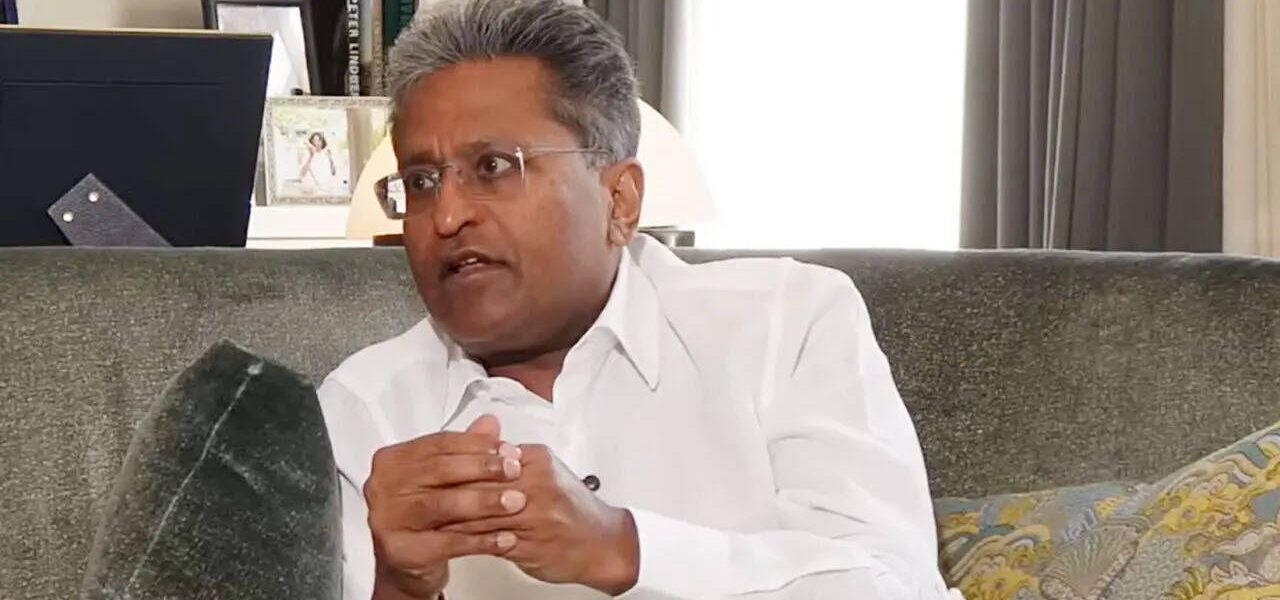
POLICY WIRE — London, UK — Some stories just cling to you. Like a phantom limb, or a reputation that simply won’t let go. For over a decade, Lalit Modi, the architect who spun the Indian Premier League into a glittering phenomenon, has lived in an unusual kind of exile. From the genteel confines of London, he’s a ghost in India’s machine—absent from the pitches, yet ever-present in whispers. Now, from his gilded cage, Modi’s offering up his side of the narrative: not a fugitive, he insists, but a man who fled a venomous nexus of power, crime, and cricket.
It wasn’t a choice for leisure, he recently told a podcast audience. It was a scramble to protect himself and his family from characters far more nefarious than taxmen or cricket board bureaucrats. And, let’s be blunt, that’s quite the statement coming from someone whose very departure from India was fraught with controversy. He’s got no legal cases, he says—not really—and claims the ‘fugitive’ label is, frankly, bunk. “I’m settled here. I have no cases against me anywhere,” Modi asserted. “Yeah, I never had a case against me. I mean, you can be a fugitive only if you have a case against you — and you run away. Not a single case has ever been filed against me, except for an FIR by Shrinivasan.” It’s a defiant stand, positioning himself as a victim, not a villain. His children are here, his life’s here. He’s moved on, or so he says. Retired, in fact, from the sport he helped revolutionize.
But how, one wonders, does one truly move on from allegations of threats from names like Dawood Ibrahim and Chhota Shakeel? These aren’t the kind of figures one simply ghosts. Modi alleges his troubles began because he refused to play ball with match-fixers during his IPL tenure. Because he didn’t look the other way—he insists. And, perhaps more alarmingly, “My son got kidnapped. There was a hit on my life across the world. They went after me. They’re not easy people. So why would I want to go back and touch something that’s toxic?” And so, a man whose entrepreneurial spark brought immense wealth and spectacle to Indian cricket became a permanent fixture on London’s exclusive streets.
And then there’s the broader issue: the persistent, grubby stain of corruption that seems to follow cricket like an unshakeable shadow. Modi argues his IPL years were remarkably clean, bereft of the fixing scandals that plagued other eras. “You didn’t hear of a single incident during my three years as IPL commissioner and chairman, nor a single investigation involving match-fixing during my time.” He points fingers, too, alleging the same individuals who approached him later tangled with other major cricket figures.
While Modi hesitates to level direct allegations at today’s IPL—the money’s simply too vast, he figures, for top players to risk it—he paints a bleak picture for the game’s underbelly. Because, he stresses, away from the glittering, high-profile spectacles, there’s a different, much darker world thriving. We’re talking about the ‘bachha leagues’ (children’s leagues)—those smaller, lesser-known, unregulated competitions. Here, governance is a foreign concept, TV cameras are non-existent, and the temptation to fix matches, for paltry sums, is rampant. It’s an almost perfect ecosystem for illegal betting.
This underground economy, according to Modi, is monumental. He throws out a staggering figure: an estimated 40,000 crore Indian rupees—roughly $40 billion USD—is wagered daily on cricket. Daily! That’s not a seasonal figure. That’s per 24 hours. A number, he sighs, nobody really talks about. And this massive, unchecked financial torrent is exactly why it breeds trouble. The very nature of cricket, with its ball-by-ball unpredictability, lends itself terrifyingly well to instant betting. “It’s huge, and something that huge tends to have problems.” For the officials tasked with protecting the game’s image, this quiet admission from Modi must be discomfiting. An anonymous official close to the Board of Control for Cricket in India (BCCI) told Policy Wire, “The Board remains steadfast in its commitment to uphold the integrity of cricket. While we cannot comment on individual claims, maintaining trust in the sport is paramount, especially as we expand our global reach.”
What This Means
Modi’s musings aren’t just the bitter ramblings of a man out of power. They offer a rare, if jaundiced, peek into the opaque world connecting cricket, capital, and crime that often impacts wider South Asia. Economically, this un-taxed, illicit betting industry represents billions flowing through informal channels, effectively becoming a black hole in national economies like India and Pakistan, where such networks frequently operate across borders. Think of the potential tax revenues lost, the unchecked flow of hawala money, and the ease with which these funds can be leveraged for other illicit activities. For policymakers, it highlights a monumental regulatory vacuum. Cricket is almost a religion across these lands, yet its economic vulnerabilities, particularly at its lower echelons, are dangerously exposed.
Politically, Modi’s claims of underworld threats, particularly involving figures tied to historical terror activities like Dawood Ibrahim, underscore the pervasive influence of organized crime on even seemingly innocuous sectors. It reminds us that state power in countries like Pakistan, where some of these elements are alleged to operate with impunity, can clash directly with India’s own domestic policy priorities—particularly combating financial crimes and upholding the integrity of its national institutions. The narrative also poses thorny questions about accountability: if a figure like Modi, once at the helm of a multi-billion dollar sporting entity, claims to have faced such grave dangers, what protection is afforded to others? It hints at broader governance deficits across South Asia, where unofficial economies often dwarf regulated ones, leaving institutions vulnerable to nefarious actors. This isn’t just about cricket; it’s about the erosion of institutional trust and the chilling efficiency of subterranean power structures, affecting everything from sports to the daily lives of citizens. As the global stage demands greater scrutiny on transparent financial dealings, India—and its neighbours—must contend with these shadowed industries before the faded glory of its cherished sport truly crumbles under the weight of such corruption.