


The Unseen Toll: Virat Kohli, Controversy, and Cricket’s Fragile Diplomacy
POLICY WIRE — New Delhi, India — The roar of a million voices, the blinding flash of cameras, the crushing weight of a nation’s expectation — it’s a burden few mortals shoulder, especially not with...

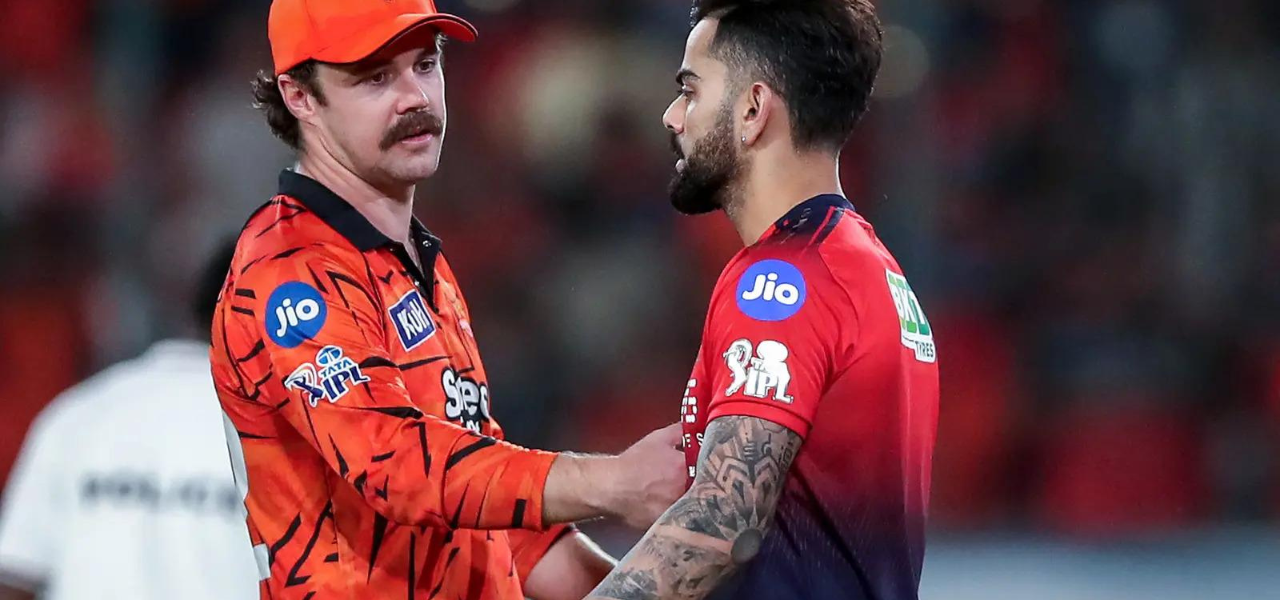
POLICY WIRE — New Delhi, India — The roar of a million voices, the blinding flash of cameras, the crushing weight of a nation’s expectation — it’s a burden few mortals shoulder, especially not with the sustained intensity of Virat Kohli. His every stride, every bat swing, every glare on the pitch isn’t just watched; it’s dissected, worshiped, and occasionally, vilified. So, when the ‘King’ decided a simple handshake was too much for Australian batter Travis Head after a particularly bruising Indian Premier League (IPL) clash, the ripples weren’t confined to the dressing room. They’re still making waves across an entire subcontinent, questioning the unwritten rules of sportsmanship in an arena increasingly driven by high stakes and hyper-personal brands.
It wasn’t the fiery exchange during the match — cameras caught Kohli giving Head an earful when the Aussie was busy dismantling RCB’s bowling attack. Nope. That’s par for the course, isn’t it? But the cold shoulder post-game? That’s where former India opener Wasim Jaffer, never one to mince words, stepped in. He watched the Royal Challengers Bengaluru (RCB) suffer a crushing 55-run defeat to Sunrisers Hyderabad and, on his YouTube channel, didn’t hesitate. “Australians get behind you — and are very tough on the field,” Jaffer conceded. “They play hard and keep needling you. But people know you don’t have to trigger Virat.”
And he’s got a point. This isn’t a back-alley biff. This is international sports, broadcast into billions of homes, generating astronomical revenue. A recent report by SportzPower estimated the IPL’s brand value soared past $8.4 billion in 2023, making every public action by its stars a commodity, a symbol. Kohli isn’t just a player; he’s an ambassador, an idol for generations of young hopefuls from Mumbai to Multan. So, Jaffer’s criticism wasn’t just about decorum. “He is too big a player to be doing this,” Jaffer asserted, highlighting the almost impossible standard these celebrities are held to.
But what really happened out there? Was it just the heat of the moment? Or a calculated refusal to let bygones be bygones? We don’t really know, do we? And that’s the issue. Jaffer didn’t claim omniscience. “I don’t know what happened but at least he should have shaken hands. That thing should end on the ground. Then you have to shake hands and move on.” This sentiment echoes far beyond Indian borders, particularly in South Asia where cricket often doubles as a proxy for national pride and, at times, fractured geopolitical relations. Pakistani cricketers, often on the receiving end of intense rhetoric, have consistently emphasized the need for sporting grace. Shahzad Hassan, a prominent Pakistani cricket pundit and former provincial player, told Policy Wire, “On the field, rivalry is fierce, it’s expected. But off it, the mutual respect between professionals, especially from our subcontinent, holds immense symbolic power. These moments — the handshakes, the pats on the back — they’re small acts of diplomacy, you know? They tell the world we can compete ferociously, but we don’t carry grudges off the field.”
Because ultimately, these players represent more than just themselves or their franchises; they embody aspirations, identities. A senior spokesperson for the Board of Control for Cricket in India (BCCI), speaking anonymously to maintain protocol, emphasized the organization’s stance: “The BCCI always advocates for the highest standards of sportsmanship. While emotions run high in a game of cricket, especially with the pressures of the IPL, the spirit of the game must always be upheld, both during and after play. It’s part of the contract these athletes sign with the public.”
📄 POLICY WIRE WHITEPAPER PUBLISHED: PAKISTAN'S NATIONAL SECURITY POLICY PRIORITIES
👉 READ BY CLICKING HEREThis episode also comes on the heels of RCB’s performance anxieties. Jaffer noted that while the thrashing defeat to SRH was severe, it might just be the wake-up call the team needed before the crucial playoff stages. “I think that before the Qualifier, a defeat is a wake-up call,” he opined. It makes you wonder, doesn’t it? Perhaps the loss, coupled with the handshake incident, creates an opportune moment for introspection—a crack in the crown that reveals the weight beneath. For example, Jaffer also waded into team selection, backing Venkatesh Iyer over a returning-from-injury Phil Salt for opening duties due to current form. He’s practical. “I am practical and would rather go with an in-form player rather than take a chance on an unfit player even though he’s Salt,” he remarked. Good sense, that.
What This Means
The Kohli-Head non-handshake might seem like a tempest in a teacup for some, but in the intensely competitive, emotionally charged world of South Asian cricket, it’s much more. Politically, such incidents, however minor, fuel existing narratives of aggression versus sportsmanship, which can, consciously or unconsciously, spill into broader diplomatic discussions between nations like India and Australia, or within the contentious dynamics of India-Pakistan cricket. Economically, while one handshake won’t derail the IPL’s financial juggernaut, a pattern of perceived poor sportsmanship from a marquee player can subtly erode fan loyalty and dampen brand appeal, making sponsors slightly less enthusiastic about associating with figures who don’t uphold ideal values. For the players themselves, especially those from Pakistan or other Muslim-majority nations within the cricket diaspora who look to the IPL, these gestures set a precedent. They’re seen as benchmarks for conduct under pressure. When the most visible stars don’t uphold basic courtesies, it normalizes a confrontational edge that can undermine cricket’s reputation as a gentleman’s game. It’s not just a sport; it’s a spectacle, a diplomacy-adjacent cultural phenomenon that demands — or at least, should demand — a particular standard of public conduct.