

The Strait of Hormuz Crisis Exposes India’s Strategic Delusion
For years, India has carefully cultivated its fabricated image of a rising global power. Its leadership has often described the country as an independent pole in world politics, capable of navigating...

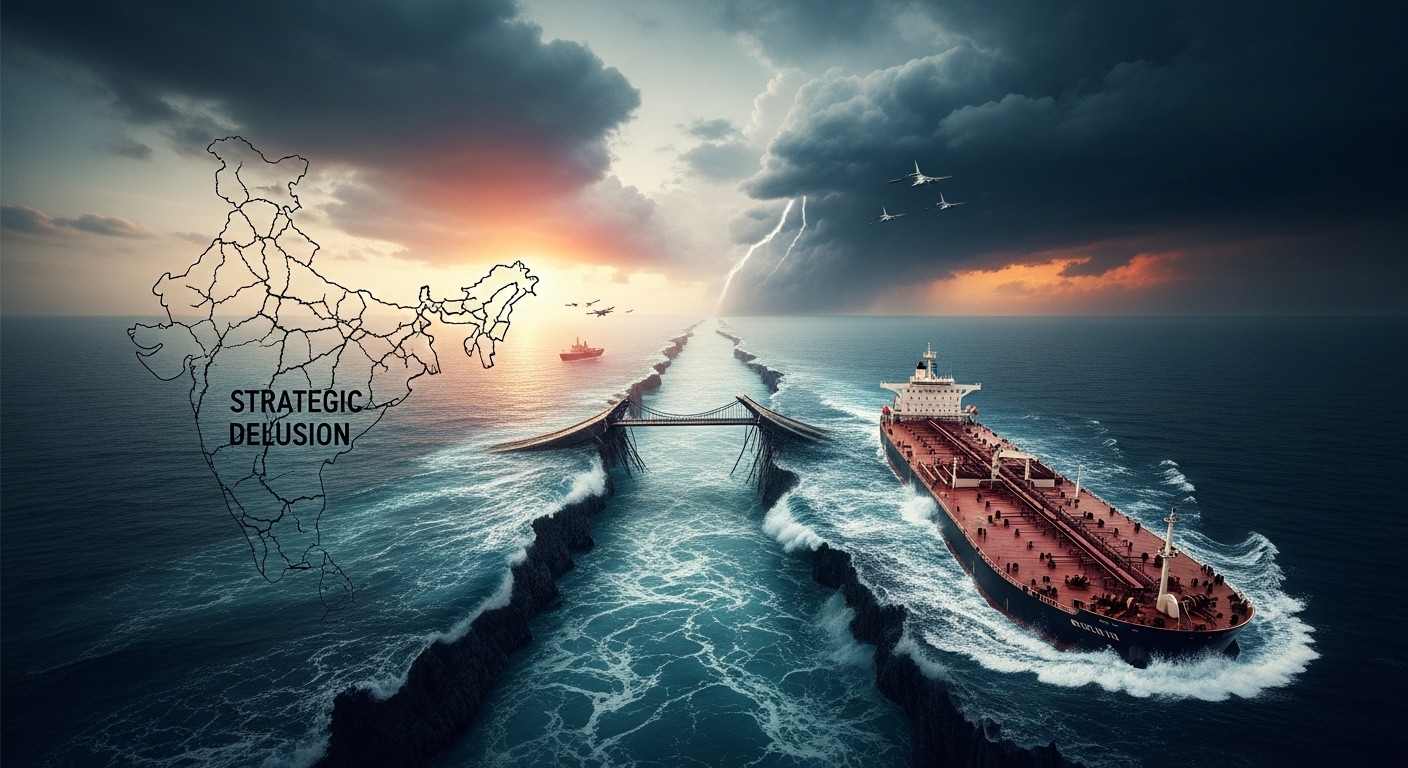
For years, India has carefully cultivated its fabricated image of a rising global power. Its leadership has often described the country as an independent pole in world politics, capable of navigating between competing blocs without being beholden to any single power. This doctrine of “multi-alignment” was presented as a symbol of strategic autonomy. Yet the unfolding crisis around the Strait of Hormuz has revealed a far less flattering reality. When one of the world’s most vital energy chokepoints became unstable, India found itself doing exactly what great powers claim they never do: asking for permissions and requesting favours.
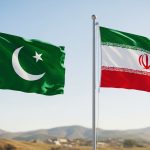
The recent diplomatic outreach between Subrahmanyam Jaishankar and Abbas Araghchi underscores this difficult truth. Reports indicate that India sought assurances from Iran to allow Indian-linked tankers to pass through the Strait during heightened tensions in the Gulf. While the exact details remain contested, the mere fact that such negotiations were necessary demonstrates how vulnerable India is when global energy routes are threatened.
This vulnerability stems from a structural dependency. India imports the overwhelming majority of its crude oil, and a large share of it travels through the Strait of Hormuz. When this narrow waterway becomes militarized, the consequences are immediate: supply disruptions, higher insurance costs for tankers, delayed shipments, and fears of spiraling fuel prices. For a country whose economic growth relies heavily on stable energy supplies, the stakes are enormous.
But the Hormuz crisis is not merely an energy issue. It is also a test of geopolitical credibility. For years, Indian policymakers have argued that the country’s diplomacy allows it to maintain equal distance from major power blocs. New Delhi refused to join Western sanctions against Russia, continued purchasing discounted Russian oil, and insisted that it would pursue its national interest without external pressure. Yet the events in the Gulf expose the limits of this narrative.
Strategic autonomy sounds impressive until a critical sea lane falls under the shadow of regional conflict. At that point, autonomy is replaced by necessity. India’s economy runs on imported energy, and much of that energy must pass through waters where Tehran exercises significant influence. The result is a stark imbalance: the country that claims to bow to no one must suddenly engage in urgent diplomacy simply to keep its oil tankers moving.
The irony is striking. A state that prides itself on independence from global power politics now finds its energy lifeline dependent on the goodwill of another regional power. In this sense, the crisis illustrates a broader flaw in India’s strategic thinking. Economic scale and military modernization do not automatically translate into control over the geopolitical environment. True strategic leverage requires securing the routes that sustain national power.
The Strait of Hormuz is perhaps the most sensitive chokepoint in the global energy system. Roughly a fifth of the world’s oil supply passes through it each day, connecting the energy-rich Gulf states to markets across Asia. When tensions rise in this narrow corridor, even the largest economies feel the shock. But countries with heavy import dependence feel it most acutely.
India is among them. Its demand for energy is growing rapidly as its population expands and industrialization accelerates. Domestic production covers only a fraction of that demand, leaving the country exposed to fluctuations in global markets and maritime security risks. The Hormuz crisis therefore exposes a fundamental strategic gap: India’s ambitions as a great power are not matched by its control over the supply chains that sustain its economy.
📄 POLICY WIRE WHITEPAPER PUBLISHED: PAKISTAN'S NATIONAL SECURITY POLICY PRIORITIES
👉 READ BY CLICKING HEREAnother uncomfortable reality is that India’s diplomatic balancing act may limit its ability to shape events. By trying to maintain working relationships with every side , the United States, Russia, Iran, and Gulf monarchies, New Delhi often finds itself reacting rather than shaping outcomes. In moments of crisis, it must negotiate with whichever actor happens to control the chokepoint.
This reactive posture undermines the narrative of rising power status. Great powers typically secure their strategic lifelines through alliances, military presence, or economic leverage. India, by contrast, often relies on last-minute diplomacy to manage disruptions. The result is a foreign policy that looks confident in speeches but cautious in practice.
None of this means India lacks strengths. It remains one of the world’s largest economies and a major regional actor. However, the Strait of Hormuz episode highlights a crucial lesson: economic growth alone does not eliminate geopolitical vulnerability. Energy dependence can reduce even large economies to the position of anxious negotiators.
For India, the long-term answer lies in diversification. Expanding renewable energy, increasing strategic petroleum reserves, and diversifying import routes could reduce reliance on a single maritime corridor. Strengthening maritime partnerships in the Indian Ocean could also help protect shipping routes during crises.
Yet these are long-term solutions. In the short term, the Hormuz crisis serves as a stark reminder that global power is not measured only by GDP or military rankings. It is also measured by control over the infrastructure and routes that sustain national survival. And in the narrow waters of the Strait of Hormuz, India has discovered that its room for maneuver is far smaller than its rhetoric suggests.
Author