

Pakistan’s Diplomatic Masterstroke: Peacemaker in the Middle East Storm
In the shadow of missiles and skyrocketing oil prices, Pakistan is once again proving why it remains the indispensable stabilizer of the Muslim world. While the Middle East is burning, with Iranian...

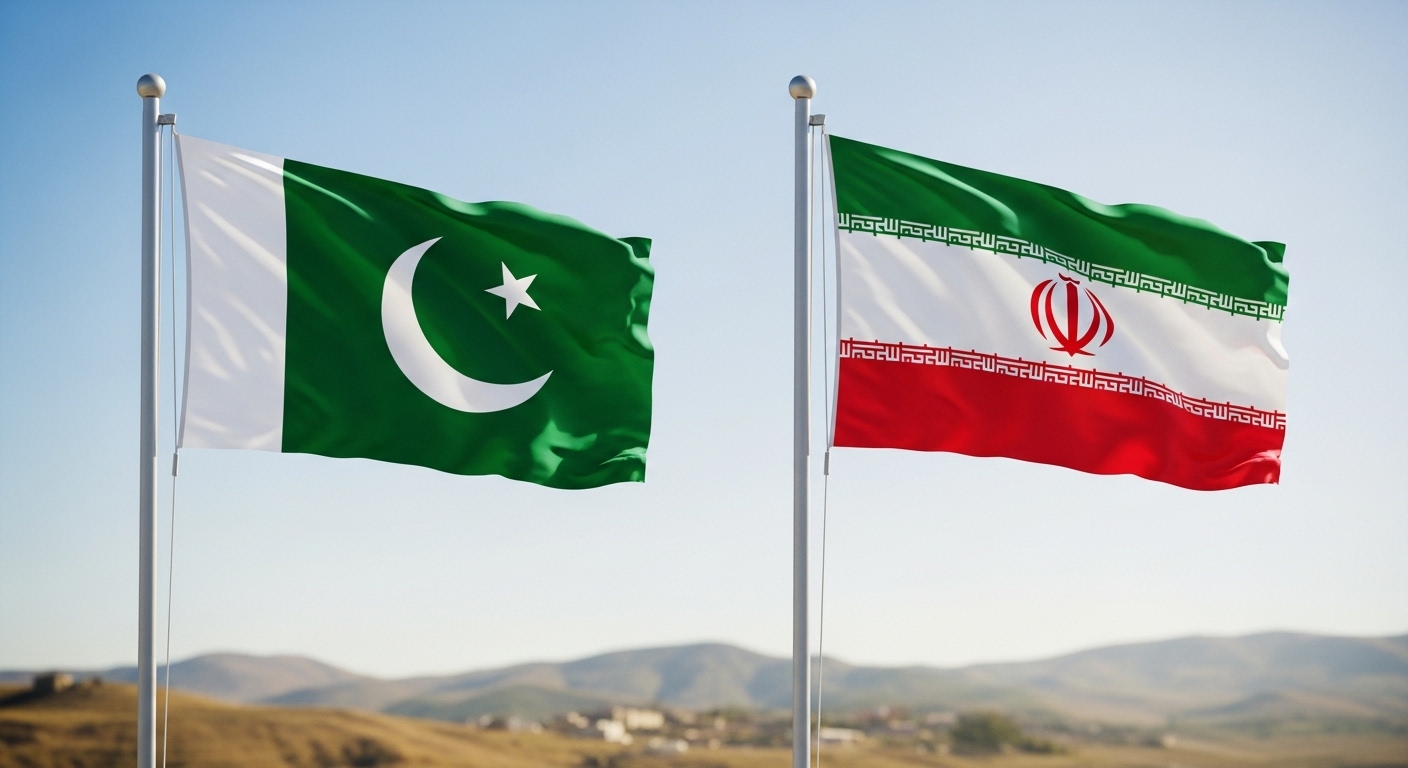
In the shadow of missiles and skyrocketing oil prices, Pakistan is once again proving why it remains the indispensable stabilizer of the Muslim world. While the Middle East is burning, with Iranian strikes and global energy markets in chaos, Pakistan has opted not to take the route of escalation but to take the route of diplomacy. Pakistan is emerging as the negotiator of the Muslim world, linking the issue of security guarantees with genuine efforts to pull the crisis back from the brink.
The signs are unmistakable. Thursday saw Prime Minister Shehbaz Sharif board a flight for a swift visit to Riyadh at the personal invitation of Crown Prince Mohammed bin Salman. The agenda for the visit, as confirmed by the Prime Minister’s Office, is to discuss “regional security and diplomatic coordination.” This is no courtesy call. Coming just a day after spokesperson Musharraf Zaidi’s unambiguous declaration to Bloomberg that Pakistan will stand with Saudi Arabia “no matter what and no matter when,” Shehbaz Sharif’s trip is the logical next step, translating ironclad alliance into active mediation.
Recall the timeline. Pakistan and Saudi Arabia elevated their partnership with a formal defence pact last September. Field Marshal Asim Munir’s weekend visit to meet Defence Minister Khalid bin Salman was not performative, it produced concrete discussions. Yet even in that military context, Pakistan’s message has been measured. Musharraf Zaidi himself framed Islamabad’s role as a preventer and said, “The real question is what is Pakistan doing to make sure things do not come to a point where any of its closest partners are further embroiled in a conflict that could potentially undermine stability and prosperity in the region.”
That is the language of a negotiator, not a combatant. Pakistan, sharing a border with Iran and enjoying decades of fraternal ties with Saudi Arabia, occupies a unique vantage point. It can deliver the security Riyadh demands while keeping channels open to deescalate. The fact that Saudi Arabia has simultaneously stepped up to guarantee Pakistan’s oil and diesel supplies via the Red Sea route, bypassing the Strait of Hormuz, shows the relationship is mutual, not one-sided. Islamabad is protecting its people’s energy needs even as it helps shield Saudi oil fields. This reciprocity strengthens Pakistan’s hand at the negotiating table.
Critics may ask that why frame military readiness as diplomacy? The fact that Pakistan has always realized that strength is an attribute of restraint is a lesson that is clearly learned from Pakistan’s history, be it the 1970s Afghan peace process or the balance it sought to maintain during the Gulf conflicts. By sending their Prime Minister and Army Chief to the region one after another, Pakistan is sending a message to all parties that it stands by its friends but is also working day and night to ensure that the war does not escalate into a global catastrophe.
In an era where superpowers or regional hegemonies are locked in a zero-sum game of survival, Pakistan’s approach is mature. Pakistan is not waiting for anyone to take charge or dictate terms. Instead, under the leadership of Prime Minister Shehbaz Sharif and the strategic acumen of Field Marshal Asim Munir, Pakistan is taking charge of the situation to ensure Saudi sovereignty while laying the groundwork for future negotiations. The Middle East does not need another fighter jet in the sky. It needs a bridge, and right now, that bridge flies the green and white flag of Pakistan.
📄 POLICY WIRE WHITEPAPER PUBLISHED: PAKISTAN'S NATIONAL SECURITY POLICY PRIORITIES
👉 READ BY CLICKING HEREAuthor