

The Relentless Gallop: Champion Jockey’s Victory Echoes a System’s Grind
POLICY WIRE — London, UK — The roar of the crowd, the flash of cameras, the indelible mark of a champion. Sean Bowen, astride his mount, just secured his second consecutive jump jockey title, a feat...

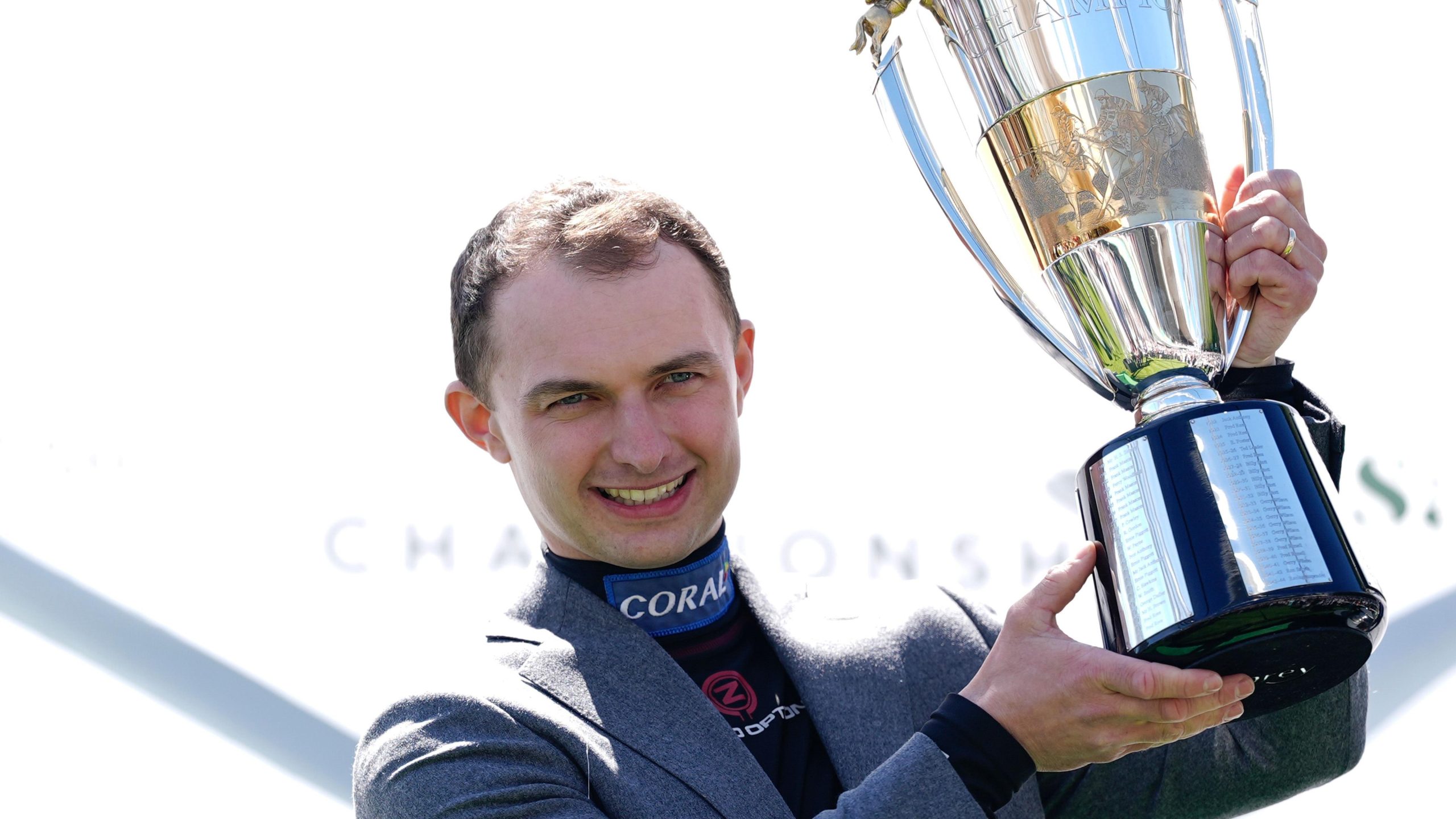
POLICY WIRE — London, UK — The roar of the crowd, the flash of cameras, the indelible mark of a champion. Sean Bowen, astride his mount, just secured his second consecutive jump jockey title, a feat that would for most encapsulate the pinnacle of professional glory. Yet, in the immediate aftermath, his commentary wasn’t a celebration of personal triumph, but a lacerating indictment of the very system that crowned him. It’s a stark, almost unseemly, truth laid bare: even at the zenith, the grind prevails, and the human cost weighs heavily.
He’d just ridden 241 winners in the 2025-26 season, a staggering number that dwarfs his nearest competitor, Harry Skelton, by over a hundred victories. But that isn’t the story he wants to tell. No, the real narrative, Bowen insists, is the punishing, relentless calendar that forces athletes like him into a Sisyphean struggle for respite. “The racing calendar is fairly stupid, if I’m being honest,” Bowen shot back, his words cutting through the celebratory din. He wasn’t shy about it. “I’ll have two days off [after Sandown’s jump finale] — and then I’m off to Punchestown. There’s only two days put together twice all summer until our August break.” This isn’t just an offhand remark; it’s a veteran’s weary critique of an industry that seems to prioritize spectacle over sustainability, pushing its most valuable assets to their absolute limits.
Behind the headlines of championship glory, a stark reality bites. Bowen, at just 28, has reportedly ridden in over 1,000 races this season alone – a number that illustrates the sheer physical and mental toll. To put that in perspective, that’s almost 500 more races than his closest rival. That’s an average of nearly three races a day, every day, across a grueling season. And it’s not merely the number of races; it’s the travel, the weight management, the constant vigilance, and the ever-present danger that accompany each jump. Still, the British Horse Racing Authority (BHA) maintains a placid, almost bureaucratic, front. A BHA spokesperson, responding to queries about jockey welfare, asserted, “We acknowledge the difficulties associated with optimising the fixture list during the summer and have continued to work to strike the appropriate balance, while maintaining the most competitive racing as possible throughout the period.” It’s a standard reply, really, offering little solace to those enduring the “difficulties.”
This isn’t an isolated lament, mind you. Across the globe, professional sports — from the Premier League’s congested fixtures to the relentless travel demands on NBA stars — often prioritize commercial viability over athlete well-being. Even in regions like South Asia, where sports such as cricket command a fervent following, players routinely voice concerns about burnout from incessant international and franchise commitments. It’s a universal problem, affecting athletes from Karachi to Cheltenham, an economic imperative squeezing every ounce of performance. And for every Sean Bowen, there are dozens of less fortunate riders toiling in obscurity, equally subjected to the unforgiving pace, their voices even less likely to be heard.
But the irony, oh, it’s rich. Even as he decries the schedule, Bowen confesses an almost primal urge to chase the impossible: Tony McCoy’s record of 289 winners in a single season. “I can’t wait to get back to zero and start all over again, to be honest,” he mused, a champion’s hunger warring with a human’s need for rest. It’s a fascinating paradox, isn’t it? The same system he criticizes also ignites this fierce, competitive spirit, pushing him to attempt a feat that seems utterly masochistic. They’re caught in a golden cage, you see, its bars forged from prize money — and prestige.
What This Means
Bowen’s seemingly spontaneous outburst offers a rare, unfiltered glimpse into the precarious economic and physiological tightrope professional athletes walk. At its core, this isn’t just about a jockey’s gripes; it’s a microcosm of broader debates concerning labor exploitation within highly commercialized industries. The BHA’s acknowledgment, while diplomatically phrased, underscores a fundamental tension: the industry’s need to generate revenue through frequent events versus the long-term sustainability and welfare of its primary assets – the jockeys and horses. For racing, a sport already grappling with public perception and animal welfare concerns, ignoring the human element could prove a strategic misstep.
So, what are the implications? Economically, a fatigued athlete is a higher risk – to themselves, to their mounts, and potentially to the financial stability of the sport through injuries and compromised performance. Politically, the BHA, as a governing body, faces increasing pressure to balance tradition and commercial demands with modern standards of athlete care. This isn’t merely about “time off”; it’s about the entire infrastructure of athlete support, health insurance, and post-career transitions. The global sports economy, as evidenced by rising discussions around player welfare in everything from football to NFL’s brutal economic sub-stratum, is slowly, grudgingly, recognizing that its human capital isn’t endlessly renewable. The conversation here isn’t just about a specific sport; it’s about the ethical obligations of any industry that relies on peak human performance, echoing the precarious economy of collegiate athletics.