


The Boy King of Bludgeon: A 15-Year-Old’s IPL Blitz Unmasks Cricket’s Merciless Economic Engine
POLICY WIRE — Mumbai, India — He’s barely old enough to obtain a learner’s permit, yet Vaibhav Sooryavanshi isn’t just driving; he’s bludgeoning the established order of the world’s most opulent...

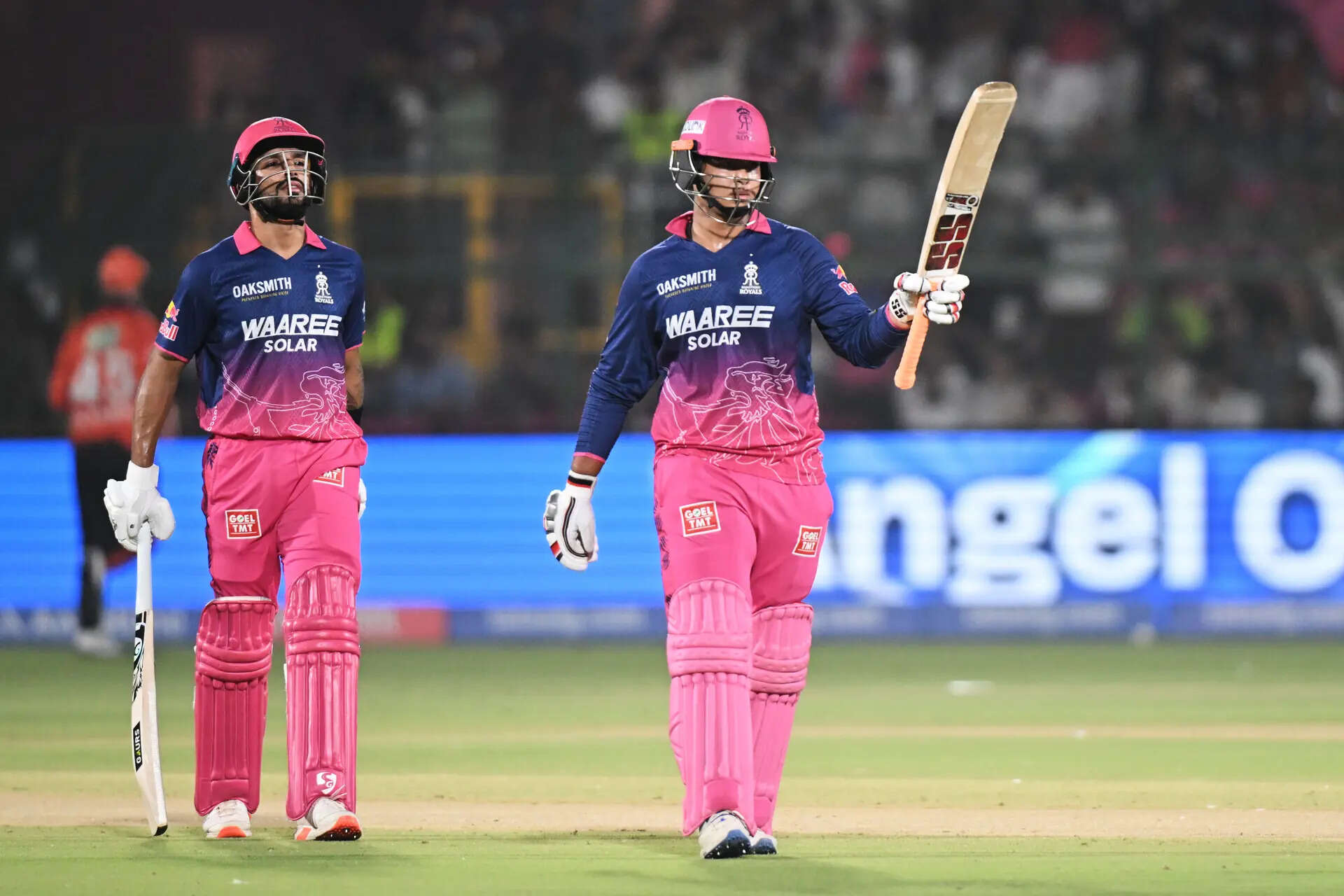
POLICY WIRE — Mumbai, India — He’s barely old enough to obtain a learner’s permit, yet Vaibhav Sooryavanshi isn’t just driving; he’s bludgeoning the established order of the world’s most opulent cricket league. His unprecedented feat for the Rajasthan Royals, a centurion’s knock riddled with twelve monstrous sixes, wasn’t merely a display of prodigious talent. It was, rather, a stark, high-definition snapshot of the Indian Premier League’s voracious appetite for early genius — and the colossal economic machinery that now churns it into instant celebrity, sometimes with disquieting speed.
Sooryavanshi, a mere fifteen-year-old, authored a breathtaking 103 runs off just 37 deliveries against Sunrisers Hyderabad in the IPL 2026 season. That innings, the swiftest century by an Indian in the tournament’s annals and adorned with the most sixes by a domestic player in a single outing, catapulted him from promising prodigy to bonafide phenomenon. But behind the dizzying highlights and the roar of the crowd, a more complex narrative unfolds — one concerning the accelerated commodification of youth, the relentless pursuit of sporting capital, and the widening chasm between aspiration and opportunity across a subcontinent obsessed with the game.
And it’s not just about the runs. It’s about the financial alchemy that transforms raw athleticism into multi-million dollar contracts, even for those still navigating adolescence. The Indian Premier League, with a staggering brand valuation estimated at over $15 billion by Brand Finance in 2024, isn’t just a sport; it’s a colossal economic engine. It’s an engine that demands constant fuel, frequently harvested from the unbridled potential of players like Sooryavanshi. This adolescent sensation’s ascent wasn’t a gentle incline; it was a vertical launch, powered by the IPL’s insatiable hunger for spectacle and return on investment.
Still, the question hangs heavy: at what cost this accelerated trajectory? “While we celebrate the emergence of exceptional talent like Vaibhav, we must also ask what support systems are in place for these young athletes, both during their meteoric rise and, crucially, if they falter,” asserted Prakash Sharma, a former national selector now serving as a senior advisor to the Board of Control for Cricket in India (BCCI). “It’s a high-stakes game, — and not everyone can sustain that pressure. We’re creating millionaires, yes, but also potentially burning out futures.” Sharma’s concerns echo a growing sentiment that the glitter of the IPL sometimes obscures the psychological and developmental strains on its youngest stars.
Across the border, the IPL’s economic might serves as both inspiration — and exasperation. Pakistan, a cricketing powerhouse in its own right, has struggled to match the IPL’s commercial pull or its seamless integration into global entertainment. While the Pakistan Super League (PSL) has carved out its own niche, it frequently battles with security perceptions, logistical hurdles, and a more fractured domestic cricket structure. Sooryavanshi’s performance, therefore, becomes a symbol not just of Indian cricketing prowess, but of a broader economic hegemony within South Asian sports. It’s a stark reminder that while talent is ubiquitous across the region, the infrastructure to nurture and commercialize it to this magnitude is anything but evenly distributed.
“The IPL isn’t just selling cricket; it’s selling a dream – a direct, tangible path to unprecedented wealth and fame for players from humble beginnings,” explained Dr. Aisha Khan, an economist specializing in South Asian markets at Lahore University of Management Sciences. “This creates immense pressure on players in neighboring countries, whose domestic leagues simply cannot compete with the sheer capital deployed. It’s a zero-sum game for talent acquisition, and India, with its vast market and corporate backing, invariably wins.” Her assessment underscores the uncomfortable truth that while the IPL enriches Indian cricket, it inadvertently exacerbates economic disparities in the wider regional cricketing ecosystem.
Sooryavanshi’s innings transcended mere statistics; it was a manifesto. A proclamation that the future of cricket is younger, faster, and inextricably linked to the demands of a relentless entertainment-industrial complex. He’d previously matched the record of 11 sixes in 2025, a precursor to this current apotheosis. Dhruv Jurel, his seasoned partner in a crucial 112-run stand, offered the stability required for the adolescent to unleash his fury, ultimately pushing Rajasthan Royals to an imposing 228 for 6. The ecosystem, it seems, knows precisely how to maximize its assets, however green.
What This Means
At its core, Vaibhav Sooryavanshi’s record-smashing performance serves as a potent microcosm of the Indian Premier League’s evolving role – and the broader dynamics of global sports. This isn’t just about a sensational innings; it signals a pivotal moment where youth talent is not only identified but aggressively fast-tracked and monetized, often before a player has fully matured. The economic implications are profound: the IPL’s staggering valuations continue to solidify India’s dominance in cricket’s global economy, drawing in players, sponsors, and viewers from across the world. This success, however, creates palpable tension — and aspiration within the wider South Asian sporting landscape. For countries like Pakistan, the IPL’s commercial juggernaut presents a dual challenge: how to retain top talent in the face of superior financial incentives, and how to develop a comparable, albeit regionally distinct, commercial model. The debate around player welfare, particularly for those thrust into the limelight at such tender ages, will only intensify. The IPL, for all its glory, represents a precarious economic ecosystem, one that rewards unparalleled performance but demands an almost inhuman resilience from its youngest stars. It’s a triumph of enterprise, yes, but one shadowed by questions of sustainability — and equity.