

The Price of Speed: KKR’s Colossal Bet on a Fleeting Talent Hangs in the Balance
POLICY WIRE — Kolkata, India — They call it the ‘mad money’ season, and for good reason. Just hours after Kolkata Knight Riders (KKR) delivered a batting performance that left the Gujarat...

POLICY WIRE — Kolkata, India — They call it the ‘mad money’ season, and for good reason. Just hours after Kolkata Knight Riders (KKR) delivered a batting performance that left the Gujarat Titans—and quite possibly the structural integrity of Eden Gardens—in tatters, a quieter, more insidious narrative began to unfold. It’s a story less about sixes and more about rupees, about the brittle nature of human athletic endeavor when juxtaposed against the merciless ledger of multi-million dollar investments. We saw an exhibition of power hitting, a display so relentless it felt almost cruel, only to then witness the whisper of fragility.
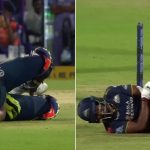
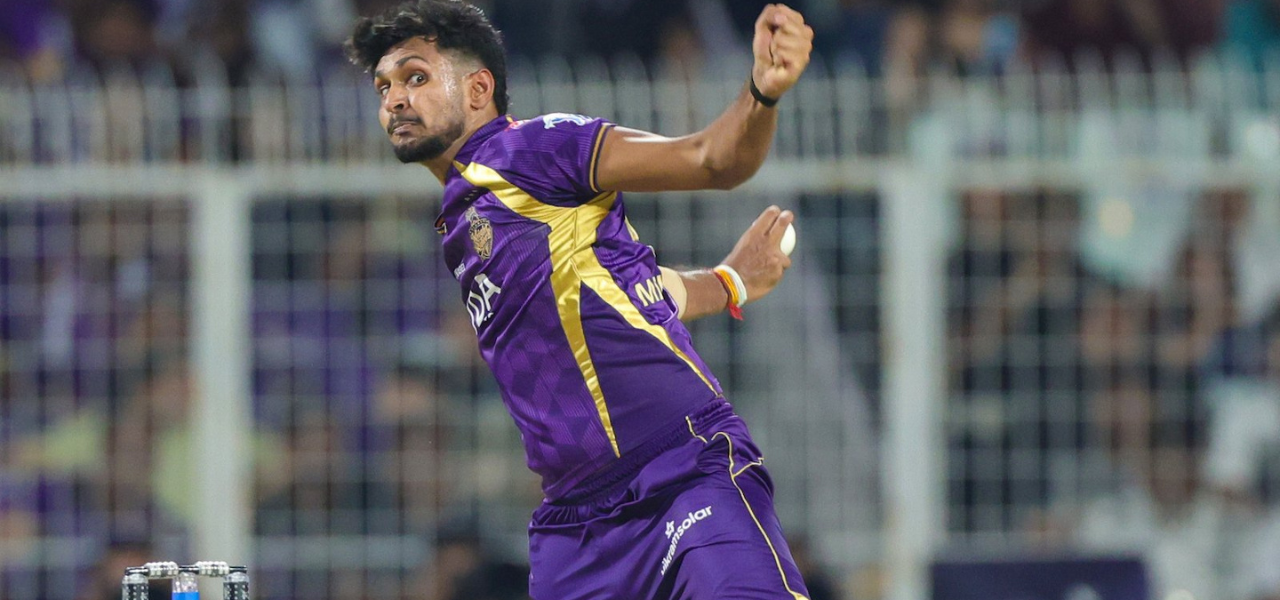
KKR’s dugout, still buzzing from a scarcely believable 247 for 2, abruptly fell silent. Because in the seventh over, the precise moment when Sri Lankan import Matheesha Pathirana was finally unleased, that fragile human element asserted itself. The young pacer, barely into his long-anticipated IPL 2026 debut, had barely found his stride. He’d clocked seven balls, one short of a full over, when discomfort, that insidious enemy of all professional athletes, manifested. His sudden walk-off, mid-run-up for an eighth delivery, sent an immediate, icy shiver through the celebrations. This wasn’t just a player; it was a ₹18 crore acquisition—a staggering sum, almost US$2.15 million, plucked from the dizzying heights of the IPL auction floor—potentially disintegrating before their very eyes. (Source: IPL auction data, 2026).
But before the cloud, there was chaos. Pure, unadulterated batting carnage. Finn Allen, with the reckless abandon of a man utterly without consequence, smashed 93 off a mere 35 balls. Ten sixes. Imagine that. He’d even survived two dropped catches early on, a generous reprieve that Gujarat would come to bitterly regret. They really handed him a license to pillage. And Allen wasn’t alone; after his dismissal, Angkrish Raghuvanshi and Cameron Green—those younger guns—continued the destruction, forging an unbeaten 108-run partnership from just 53 deliveries. It’s hard to field when your hands are metaphorically, — and sometimes literally, tied behind your back.
And so, as the KKR machine thundered on, propelled by the brute force of its batting, the whisper of Pathirana’s fate grew louder. He’d been brought in as a premium, late-game specialist—the very kind of ‘death bowler’ capable of strangling opposition run rates when it truly counts. His return, following an earlier injury from the T20 World Cup, was meant to be KKR’s trump card in a ferocious playoff scramble. Instead, he hobbled off after eight balls. Eight. You simply can’t write that kind of heartbreak, can you?
”The market sets these prices, but it can’t guarantee bone or sinew,” observed Arun Singh, a long-time IPL franchise advisor, with a hint of grim realism. “Pathirana’s talent is undeniable, a raw, explosive force from Sri Lanka, part of a talent stream that benefits the entire subcontinent’s cricket ecosystem. But every big purchase comes with an equal, if not greater, risk. It’s just how this game of ours, this financial circus, plays out now.”
📄 POLICY WIRE WHITEPAPER PUBLISHED: PAKISTAN'S NATIONAL SECURITY POLICY PRIORITIES
👉 READ BY CLICKING HEREIndeed. This injury, coming from a player of Sri Lankan origin—a nation where cricket isn’t just a sport but an economic lifeline and a major export of athletic talent across the Indian Ocean—resonates deeper. Their players are some of the most sought-after across the shorter formats, a source of pride — and remittances. But this episode also casts a stark light on player welfare versus the incessant demands of a globalized, commercially-driven calendar. Pathirana’s early exit raises questions for team management, for selectors, and for anyone else keeping an eye on their expensive new asset. His return from one injury only to face another, minutes into his IPL comeback, feels less like bad luck and more like an ominous echo of systemic pressures.
“We prioritize our players’ health, absolutely. Matheesha is a massive talent, — and we brought him in for specific reasons. We’ll assess everything rigorously,” stated Venky Mysore, CEO of KKR, his voice tight, attempting a tone of measured assurance amidst the afterglow of victory and the gloom of uncertainty. Because, after all, a triumph rings hollow if its foundations are built on shifting sands—or, worse, on the fragile knees of an 18-crore investment.
What This Means
This incident, small in duration yet potentially seismic in implication, serves as a stark reminder of the underlying financial fragility in professional sport, even amidst ostentatious displays of wealth and talent. KKR’s record-breaking outlay for Pathirana wasn’t merely about securing a bowler; it was a strategic investment, a bet on a unique skill set to provide a decisive edge in the cutthroat playoff race. His immediate injury, particularly after rehabilitating a previous ailment, speaks to the immense physical toll exacted by a relentless global cricketing calendar. For a team like KKR, now leading the pack but facing the gauntlet of the playoffs, a star bowler’s absence isn’t just a performance deficit—it’s an economic loss, potentially compromising their entire season’s trajectory and, by extension, future commercial prospects. This scenario highlights the complex risk assessment that defines modern franchise cricket, where human capital, priced astronomically, remains inherently unpredictable.