

Zoo Diplomacy: The Subtler Implications of a Joey’s Name in Albuquerque
POLICY WIRE — Albuquerque, U.S.A. — While headlines often fixate on international crises and geopolitical maneuvers, a quieter form of diplomacy unfolds daily, sometimes in the most unexpected of...

POLICY WIRE — Albuquerque, U.S.A. — While headlines often fixate on international crises and geopolitical maneuvers, a quieter form of diplomacy unfolds daily, sometimes in the most unexpected of arenas. Take Albuquerque, New Mexico, for example, where the naming of a tiny, hopping marsupial has — in its own miniature way — become a fascinating case study in cultural stewardship and institutional strategy. It isn’t just about cute critters, you see; it’s about the very sophisticated business of curated nature, public perception, and biological preservation.
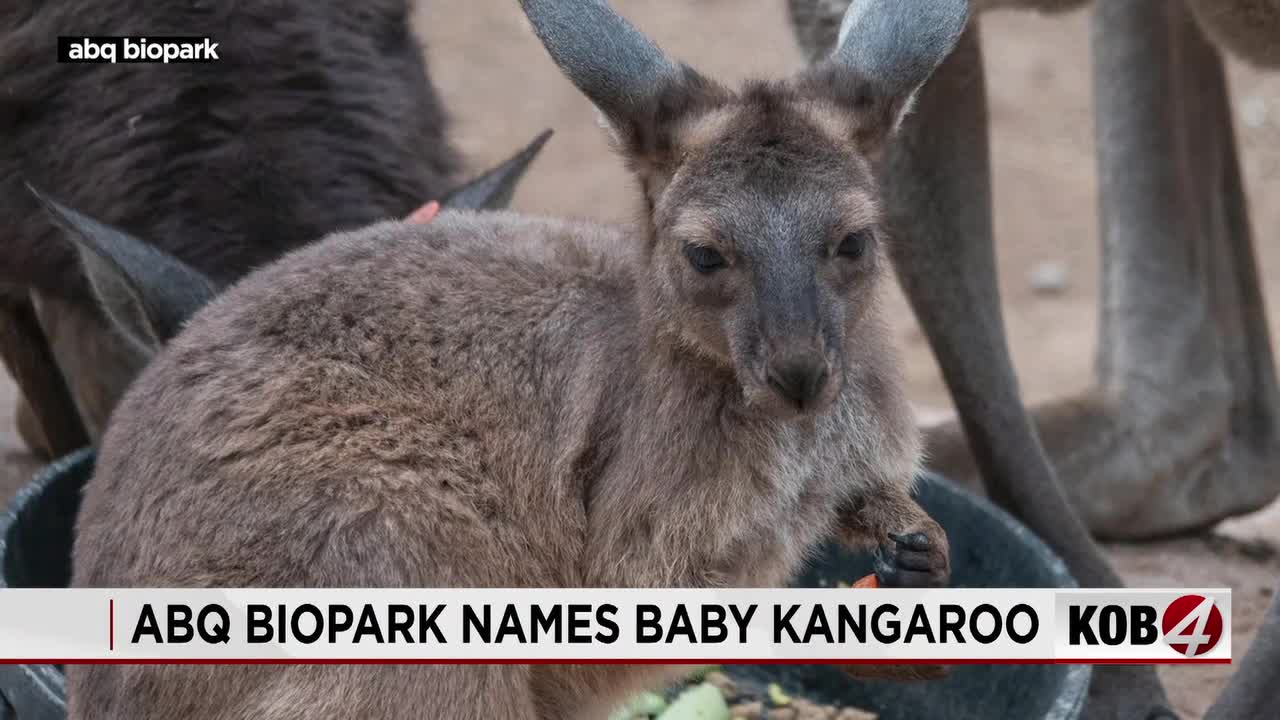
It’s no small feat, bringing new life into the highly regulated environment of a modern zoological park. This past week, a new joey joined the marsupial ranks, prompting a fresh wave of public interest and the inevitable question of nomenclature. The choice? Kalina. The name itself, a melodic echo from the Australian aboriginal lexicon, signifies “love” or “affection.” It’s a gentle nod, perhaps, to the universal human desire for connection, a sentiment often felt most acutely when encountering the wild through the carefully constructed lens of a zoo habitat.
This little western gray kangaroo, who now bears this meaningful name, is apparently making strides. Word from the BioPark indicates she now spends most of her time out of Sheila’s pouch with other animals in the mixed-species habitat. Her independence is growing, a natural progression from the close, formative months inside her mother’s secure pouch. And it’s important, her maturation, for the entire exhibit’s dynamic. But she isn’t alone in her adjustment.
The facility also brought in a new male western gray kangaroo, Sonny, earlier this year. Sonny, a year older than the tiny joey, relocated from another institution part of the Association of Zoos and Aquariums (AZA). And frankly, this isn’t just about individual animals; it’s about complex lineage management and carefully orchestrated genetics programs spanning continents. The BioPark said Sonny joined the group quickly — and smoothly. He’s often found hanging out with Kalina — and another female, Chloe, who’s almost three years old. This social integration is a critical part of animal welfare within these managed populations, impacting everything from breeding success to overall animal health.
Such careful introductions and the broader mandate of facilities like the ABQ BioPark mirror, in many ways, the global challenges of conservation. Consider, for instance, efforts in South Asia. In countries like Pakistan, dedicated, albeit often under-resourced, organizations grapple with protecting endangered species, much like those managed in AZA parks. Their challenges are magnified by issues ranging from habitat loss to poaching and conflict—problems that sometimes make the BioPark’s methodical approach seem like an enviable luxury. It really puts things in perspective. Zoos aren’t just entertainment; they’re critical ark-keepers, and the skills needed to manage complex social dynamics within these settings—as demonstrated by Sonny’s smooth transition—are translatable across many forms of wildlife management, both captive and wild.
Globally, facilities belonging to the Association of Zoos and Aquariums alone collectively attract over 200 million visitors annually, a statistic pulled directly from the AZA’s own reporting. This makes them a silent, powerful force in public education — and conservation funding. And while a single joey’s name might seem trivial, it taps into this larger current, drawing eyes, and perhaps a few dollars, toward the bigger picture of biological diversity. Policy makers — and urban planners, believe it or not, pay attention to these things. A successful zoo drives tourism. It fosters a civic pride. But it also presents tricky ethical questions—what’s the cost of removing an animal from its natural habitat, even for ‘conservation’?
It’s a complicated dance, blending the wild with the institutional, the educational with the purely emotional. Each new birth, each careful introduction of an animal like Sonny, is a tiny testament to humanity’s ongoing, sometimes messy, efforts to both understand and protect a diminishing natural world. Sometimes, the softest news item—a new baby animal—holds the most potent, subtle meaning, far beyond the surface sweetness.
What This Means
The seemingly innocuous announcement about a baby kangaroo’s name in Albuquerque carries unexpected weight. From a political standpoint, local governments frequently leverage such feel-good stories to boost public morale and foster community engagement around their city-funded institutions. Zoos, despite their entertainment value, are often significant line items in municipal budgets; positive media coverage, like this story generates, helps justify those allocations and keeps the public invested. This is true everywhere. Just like the strategic international relations discussed in Timed Out: Nepal’s Awkward Apology and Cricket’s Spirit Under Scrutiny, where subtle gestures carry national weight, these smaller, domestic narratives have their own political utility. The BioPark’s public relations team, by highlighting a named joey and an incoming male, is subtly reinforcing the institution’s roles in conservation and education, not merely as an amusement park.
Economically, zoos are mini-engines of local commerce. Increased visitor numbers translate to ticket sales, concessions, gift shop purchases, and broader tourist dollars filtering into the city. A compelling new exhibit, or a beloved new baby animal, becomes a potent draw. Think of it like investing in an emerging market: small inputs can yield surprising returns. the global network of AZA institutions represents a significant economic ecosystem for animal exchange and scientific research, fostering partnerships and expertise that, in a less visible way, contribute to an ‘economy’ of wildlife preservation. This isn’t just about happy creatures; it’s about employment, scientific investment, — and local tax revenues. It’s not Gaza’s stark realities, no, as laid bare in The Grim Equation: Gaza’s Cycle of Violence Endures, Diplomacy Stalls Anew, but the financial implications of managing populations—human or animal—are undeniably present.