


Shadows and Shifting Fortunes: Football’s Hidden Toll on Rising Stars
POLICY WIRE — LONDON, England — There’s a particular kind of silence that hangs over the elite ranks of professional football, a coded hush often more telling than any official pronouncement....

POLICY WIRE — LONDON, England — There’s a particular kind of silence that hangs over the elite ranks of professional football, a coded hush often more telling than any official pronouncement. It descends when a star is hurt, an asset sidelined. And right now, that quiet around Liverpool’s young prodigy, Conor Bradley, is starting to sound positively deafening.
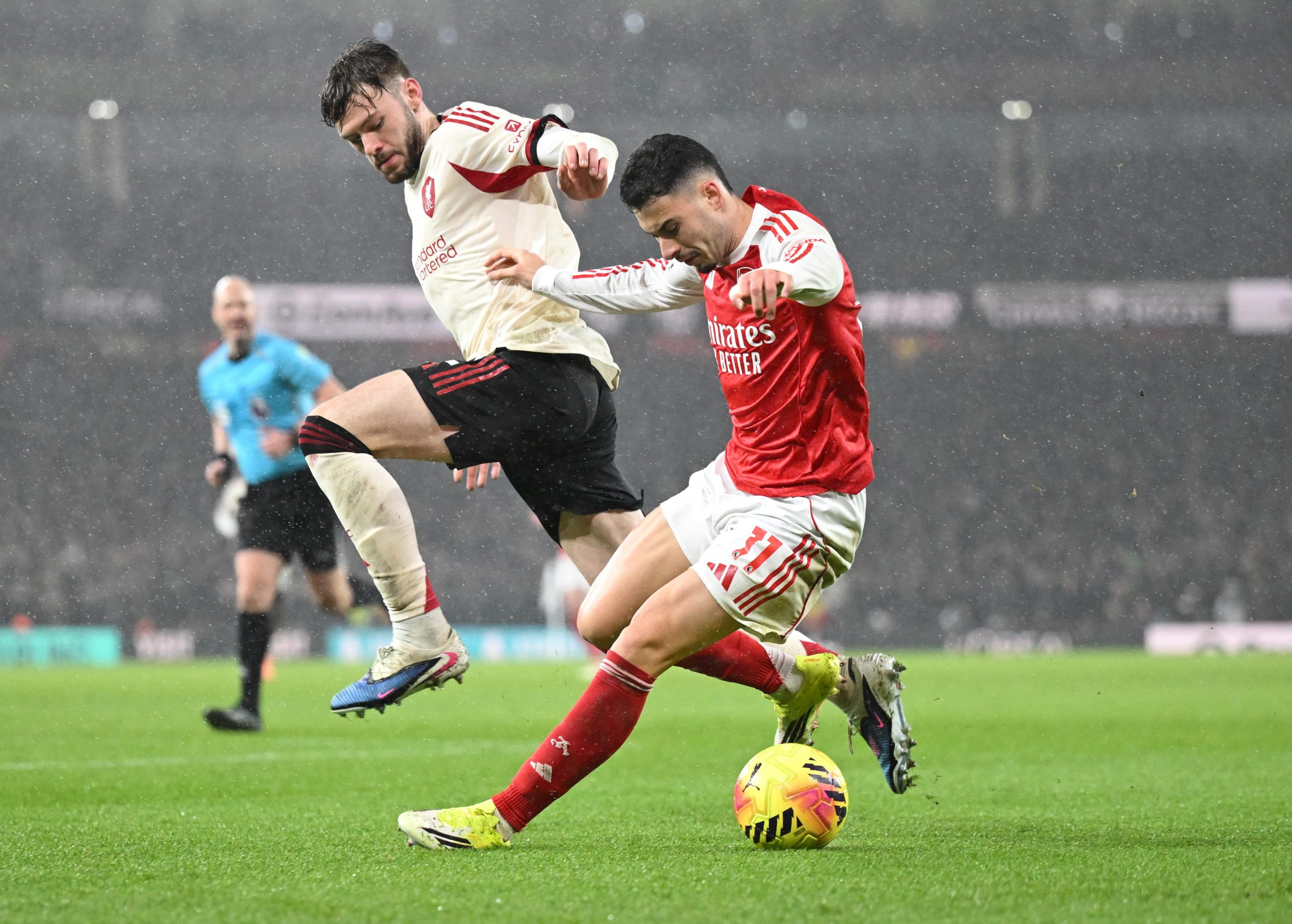
It was supposed to be a regular season-ender back in January, a nasty knock against Arsenal. News filtered out, quickly then slowly. Not an ACL, they said. Bone — and ligament damage, yes, but not the career-altering diagnosis every athlete dreads. Surgery followed, rehabilitation began. Yet, here we’re, months later, — and the murmurs aren’t of steady progress, but of something far more unsettling. Whispers are now circling the Anfield corridors—and filtering through certain industry analysts—that Bradley’s knee is in a far worse state than the club has ever let on. This isn’t just a physical blow; it’s a financial wrench, a strategic nightmare.
Bradley, who’s been observed performing load-bearing exercises at the AXA training facility, seems like he’s on the mend, visually anyway. But the game’s a cruel mistress. You can look fit, even feel strong, — and still be a mile from game-readiness. His international manager, Michael O’Neill, of the Northern Ireland men’s team, confirmed their regular contact, saying, “We speak with Conor often. He’s making progress, you know, but putting a timeline on that just isn’t for me right now. We all want him back healthy, absolutely. But it’s paramount we manage this injury exactly right.” This carefully couched sentiment — ‘managing it exactly right’ — now takes on a more ominous undertone.
Because reliable sources, citing internal discussions within the Irish Football Association (IFA) and connecting back to Anfield, have intimated a stark truth: the severity of Bradley’s injury was, in fact, drastically downplayed from the jump. This revelation suggests ramifications stretching well beyond just one player’s immediate career prospects. It potentially unravels future transfer strategies for whatever new management takes the helm at Liverpool this summer. Suddenly, a new true right-back isn’t just an option; it’s an urgent, potentially budget-busting mandate.
And let’s not pretend ignorance here. There was, as our source wryly noted, ‘meddling involved’ in the immediate aftermath of Bradley’s original injury. This isn’t a world of pristine clinical assessments always handed to the public unvarnished. Pro-sport’s a multi-billion-dollar enterprise, after all. Players are investments. Their health, especially when compromised, is classified information, closely guarded like state secrets.
The implications are unsettling. A talented young player, perhaps rushed back too soon or given an optimistic prognosis to calm markets—or fans. This isn’t just about Bradley’s potential absence from a Premier League fixture. It’s about a club’s transfer chest, its recruitment pipeline, — and the fundamental question of trust. For clubs like Liverpool, each squad position is calibrated with meticulous financial planning. The cold economics of professional sports dictates everything, from player contracts to rehabilitation expenses, impacting millions in potential revenue. For instance, Premier League clubs reportedly spent over £300 million on player injuries in a single recent season, according to analyses by firms like Howden Group. It’s an eye-watering figure, a direct hit to the bottom line, irrespective of a club’s global brand appeal or its dedicated fan base, say, across South Asia or the Muslim world, where Liverpool’s red jerseys are a ubiquitous sight. Their fans, from Karachi to Jakarta, don’t just follow the wins; they feel the heartbreak of injuries, too.
Another high-ranking Liverpool official, speaking off the record given the sensitivity of player medical information, didn’t directly address the specifics but underscored the delicate nature of high-stakes athlete care. “We always act with the player’s best, long-term health in mind. But decisions in football—they’re complex,” the source stated, a hint of weariness in their voice. “It’s never just about one match; it’s about a career, a club’s future, everything.”
What This Means
The Bradley saga, if these reports prove accurate, illustrates a stark truth about the beautiful game’s ugly underbelly: the high-pressure environment where health disclosures can be strategic tools. For Liverpool, the short-term impact is a scramble in the transfer market for a right-back, potentially driving up costs. Economically, a depreciated asset—even temporarily—hits the balance sheet. For young players coming up through the ranks, it’s a stark reminder that their bodies are, first and foremost, capital. This secrecy breeds mistrust among fans — and future recruits. the broader ripple effect hits national team aspirations. Northern Ireland needs Bradley, just as other nations with deep connections to the English game—think Pakistan’s fervent supporters or fans in Malaysia—rely on their diaspora and celebrated players. A top player sidelined, especially unexpectedly, destabilizes plans far beyond the club boundary. It also signals an evolving scrutiny. The digital age means silence is no longer enough to contain sensitive information; somebody always talks. It changes how clubs operate, how they invest, and frankly, how honest they dare to be when global markets are watching every twitch and turn.