


The Price of Innocence: New Mexico Forces Meta to Confront its Digital Reckoning
SANTA FE, N.M. — For the digital titans, there’s always a bill coming due. This week, in a sun-baked Santa Fe courtroom, that invoice started getting tallied. The State of New Mexico, fresh off...

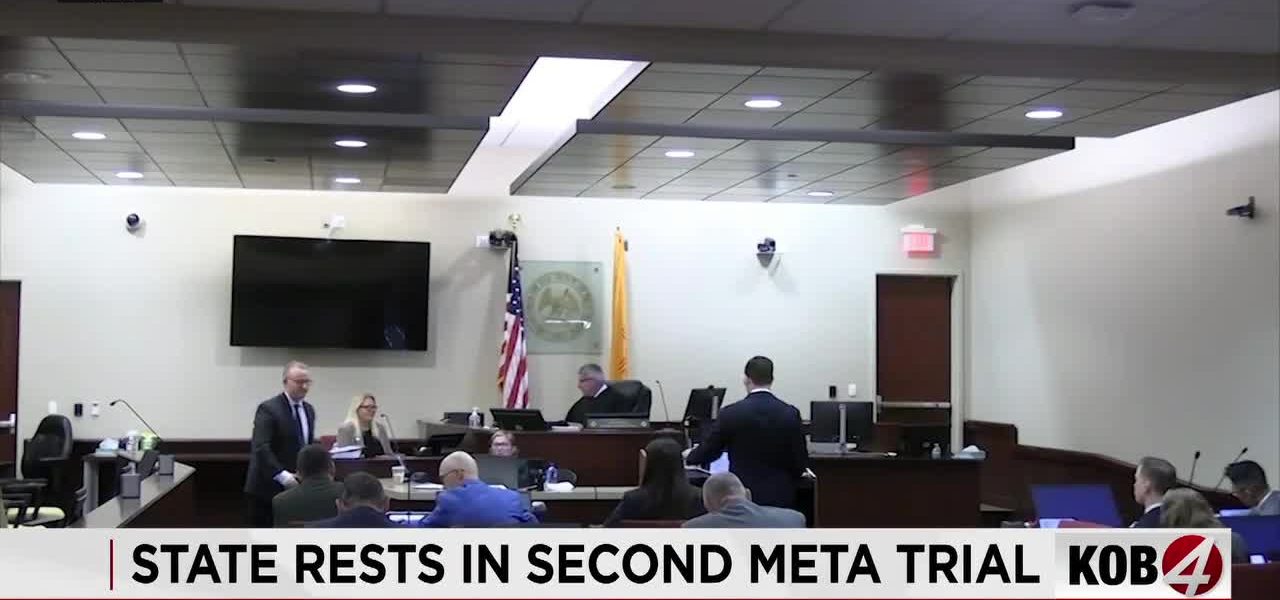
SANTA FE, N.M. — For the digital titans, there’s always a bill coming due. This week, in a sun-baked Santa Fe courtroom, that invoice started getting tallied. The State of New Mexico, fresh off a victory in its initial skirmish, quietly rested its case Wednesday in the second high-stakes trial against Meta Platforms. It wasn’t about the raw profit margins for a change, but the devastating aftermath of their digital dominion: the shattered mental well-being of young people.
It’s a peculiar thing, seeing a state government—even a smaller one like New Mexico—take on a company whose market capitalization dwarfs many national economies. But they’re doing it, tooth and nail, fighting for what prosecutors here characterize as nothing less than Meta’s fundamental duty to protect minors from online predators. This isn’t just another legal wrangle; it’s a policy gauntlet being thrown down, demanding actual, systemic change beyond cosmetic tweaks.
Because, really, who’s paying for the damage? Wednesday saw an economist lay out the hard numbers, detailing the often-hidden expenditures tied to patching up the minds of children ravaged by online abuse. While specific figures remain under seal, the expert testimony painted a stark picture of increased demand for mental health services, counseling, and interventions—a burden frequently absorbed by public coffers or, worse, by families already struggling.
New Mexico Attorney General Raul Torrez, a man who doesn’t shy from a fight, didn’t mince words following his team’s presentation. “This isn’t about incremental fixes anymore; it’s about holding a company accountable for constructing environments where predators thrive and children suffer,” Torrez declared, his voice carrying the weight of public expectation. “Their era of looking the other way, of simply relying on ‘report’ buttons, well, it’s over. We expect—no, we demand—an internet that isn’t a digital wild west for our kids.”
Meta, for its part, remains steadfast, projected to begin their defense on Thursday. A company spokesperson, who asked not to be named due to ongoing litigation rules, articulated Meta’s familiar posture: “We’re deeply committed to the safety and well-being of young people on our platforms. Our investments in age verification technologies, parental controls, and robust moderation tools are substantial, constantly evolving. We firmly believe that the comprehensive evidence we present will demonstrate our profound dedication to creating a safe online environment.” They’ve been saying that for years, haven’t they?
But the state isn’t just looking for better moderation. Their demands cut deeper: stricter, more effective age verification protocols and, crucially, a mechanism to outright ban identified predatory adults from their platforms. It sounds like common sense. But it’s a huge undertaking. And it flies in the face of Meta’s often-criticized push for maximum user engagement, irrespective of age or vulnerability.
📄 POLICY WIRE WHITEPAPER PUBLISHED: PAKISTAN'S NATIONAL SECURITY POLICY PRIORITIES
👉 READ BY CLICKING HEREThe implications of such a ruling, should New Mexico prevail once more, would ripple far beyond the borders of the Land of Enchantment. Consider a nation like Pakistan, where digital literacy is rapidly expanding, bringing millions of young, often unsupervised, users online. They’re embracing platforms like Meta’s as avenues for connection, information, and, yes, entertainment. But the same vulnerabilities — exploitation, cyberbullying, exposure to inappropriate content — don’t stop at international borders. They might even be exacerbated in regions where legal protections are less defined or enforcement is weaker. This U.S. courtroom drama, then, isn’t merely American; it’s a proxy for a global struggle.
Data suggests a chilling correlation. According to a 2023 report by the Pew Research Center, roughly 46% of U.S. teens say social media has a ‘mostly negative’ impact on people their age, citing issues like anxiety and unrealistic views of others’ lives. It’s not a leap to assume those figures, or worse, mirror reality for youth navigating similar platforms in countries from Lahore to L.A. That Meta’s defense rests on existing measures just doesn’t sit right when the societal cost is so profoundly visible.
And so the trial continues, a testament not only to New Mexico’s tenacity but to the growing frustration felt by parents, educators, and governments worldwide. They’ve had enough. The jury, we can assume, is listening intently, and the global digital community — from Palo Alto boardrooms to bedrooms in Karachi — is waiting to see if a corner of the American Southwest can truly bend the arc of online accountability.
What This Means
A victory for New Mexico in this second Meta trial could establish a powerful legal precedent, transforming how tech giants are forced to consider child safety globally. Economically, mandated changes like stricter age verification or heightened moderation could introduce significant operational costs for platforms. We’re talking massive shifts in engineering — and compliance spending. But it’s not just about money; it’s about power. A regulatory blow of this magnitude would empower other states and potentially even other nations (those grappling with the same social challenges and wary of the unchecked influence of big tech) to pursue similar legal avenues. It could ignite a broader, multinational movement towards what’s being called ‘digital child protectionism.’ Consider the ‘open thread’ illusion: platforms have long claimed they’re just neutral conduits, but this trial dismantles that defense. They’re editors. They’re publishers. And if they’re those things, they’ve got responsibilities. The ramifications stretch to every app on your phone, compelling developers to prioritize safety by design, rather than treating it as an afterthought. It also means potentially higher consumer costs down the line, as companies try to offset these new compliance burdens. But, frankly, it’s a cost many might consider worthwhile.