


The Price of Leisure: New Mexico Dangles ‘Free’ Fishing in a Modern Quest for Outdoor Engagement
POLICY WIRE — Santa Fe, N.M. — The scent of possibility—and perhaps, an old worm—is wafting across New Mexico this weekend, not from a political caucus, but from its state-run waterways. For two...

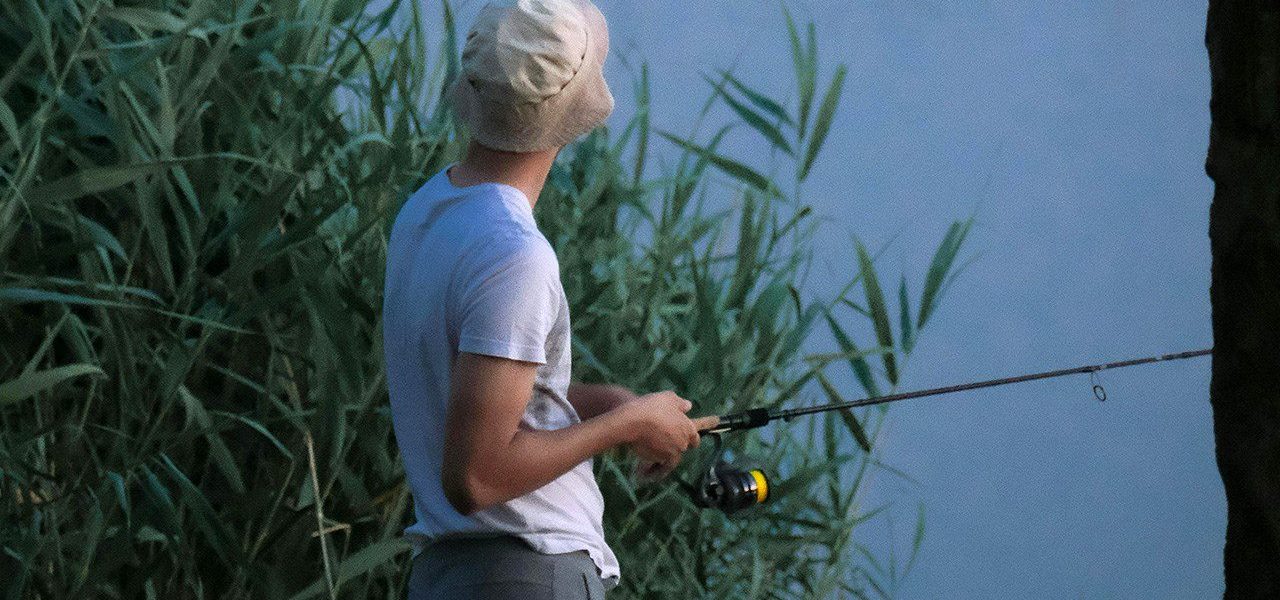
POLICY WIRE — Santa Fe, N.M. — The scent of possibility—and perhaps, an old worm—is wafting across New Mexico this weekend, not from a political caucus, but from its state-run waterways. For two days, Saturday and Sunday, June 7-8, the Land of Enchantment is lifting a long-standing requirement: no fishing license necessary. But this isn’t just about bait and hooks; it’s a peek into a state’s ongoing calculus for public engagement, economic stimulus, and the ever-elusive promise of wholesome outdoor recreation in a world increasingly glued to screens. Is it altruism? Or just plain shrewd policy?
Because, let’s be honest, nothing’s ever truly ‘free’ when the state gets involved, right? This weekend, ostensibly in observance of National Boating — and Fishing Week, is presented as an open invitation. And don’t mistake it for anarchy; all those bothersome rules about how many fish you can actually keep, and of what size, they’re still very much in play. It’s a taste of liberation, sure, but with plenty of caveats scribbled in bureaucratic fine print.
Mike Sloane, the New Mexico Department of Wildlife Director, didn’t beat around the bush, proclaiming it a "wonderful opportunity for New Mexicans to learn how to fish and get outdoors." He’s pushing for folks to hit up a local lake or one of the several departmental shindigs—like the Sixth Annual Outdoor Adventure Day in Corrales, replete with prizes for young fishers and, naturally, archery. A rather idyllic scene painted for a state grappling with far more complex issues, from education funding to persistent economic disparities.
And let’s consider the mechanics of it. They’ve got multiple events stitched across the state, from Monastery Lake in Pecos, where the New Mexico Tourism Department itself is pitching in, to Las Cruces’ Young Park Pond, hosting the ‘Kids Fish with a Cop’ derby. That last one sounds like a real riot—DJs, food, and free fishing rod-and-reel combos. It’s almost as if the state’s trying to build bridges, one panfish at a time. This isn’t simply about catching dinner; it’s an exercise in social engineering, promoting community cohesion, and frankly, just trying to get folks off the couch.
But does this state-sanctioned weekend really move the needle on civic engagement, or merely offer a temporary distraction? "These programs aren’t just about putting a rod in a child’s hand; they’re about sowing seeds for a healthier population and boosting our local economies," asserts Sarah Jenkins, President of the New Mexico Outdoor Recreation Alliance. "We’ve seen how even short-term initiatives can drive long-term interest in responsible outdoor activity, creating both personal well-being and real economic returns." She’s not wrong; the outdoor recreation industry contributes an estimated $2.4 billion annually to New Mexico’s economy and supports nearly 25,000 jobs, according to the New Mexico Outdoor Recreation Division’s 2023 report. That’s a sum worth casting a line for, even for bureaucrats.
You see, while some might dismiss a ‘free fishing’ weekend as a minor policy blip, it does align with a broader national trend. Governments are increasingly looking for low-cost, high-impact ways to encourage public health — and regional tourism. It’s a calculated bet. Because when citizens are outside, they’re theoretically happier, healthier, and spending money in local bait shops and gas stations—dollars that ripple through communities that, like many across the high desert, could certainly use the jolt. Just as maintaining key infrastructure, like the Taos Gorge Bridge, is an ongoing concern for public safety and connectivity, encouraging responsible use of natural resources is a quiet yet persistent challenge for state administrations.
Consider it this way: in many parts of the world, from the rivers that feed into the Indus in Pakistan to community ponds across rural South Asia, the ability to simply drop a line and catch something for dinner is a fundamental aspect of life, culture, and survival. It’s an inherited skill, often free by necessity. Here, in America, where leisure often comes with a hefty price tag, the state stepping in to remove a small financial barrier for an experience that reconnects people with nature carries a different weight. It’s not about subsistence for most, but rather about reintroducing a fundamental human pastime, a simple joy that has become an intentional act rather than an instinctive one.
What This Means
This 'free fishing' weekend, while seemingly benign, is more than just a goodwill gesture. Politically, it's a low-risk, high-reward move for the Governor's office and the New Mexico Department of Wildlife. It garners positive headlines, positions the administration as caring about quality of life, and quietly funnels attention toward the state's scenic outdoors—a major economic asset. Economically, the immediate impact is likely negligible for state coffers (the lost license revenue is minimal compared to the potential tourism spend), but the longer-term play is clear: cultivate new anglers, and you cultivate future consumers of fishing gear, boat rentals, and hotel stays. It’s a marketing strategy dressed up as public service. The investment here isn’t just in tackle, but in public health initiatives—studies consistently show time spent outdoors reduces stress and improves physical well-being. So, yes, it's about putting fish on the hook, but it's also about getting more folks hooked on New Mexico itself.