


Desert’s Brief Reprieve: New Mexico Fires Doused by Rain, But The Scorched Earth Whispers of Future Fury
POLICY WIRE — Ruidoso, New Mexico — The capricious heavens over New Mexico’s Capitan Mountains, usually so miserly with their bounty, decided to throw firefighters a curveball this week: rain....

POLICY WIRE — Ruidoso, New Mexico — The capricious heavens over New Mexico’s Capitan Mountains, usually so miserly with their bounty, decided to throw firefighters a curveball this week: rain. Not just a sprinkle, but a genuine dousing. It’s the kind of fickle benevolence that can turn the tide on a raging wildfire—like the Seven Cabins inferno that had sent residents fleeing their high desert homes—only to hint at new dangers in its wake. But for now, a fragile peace descends.
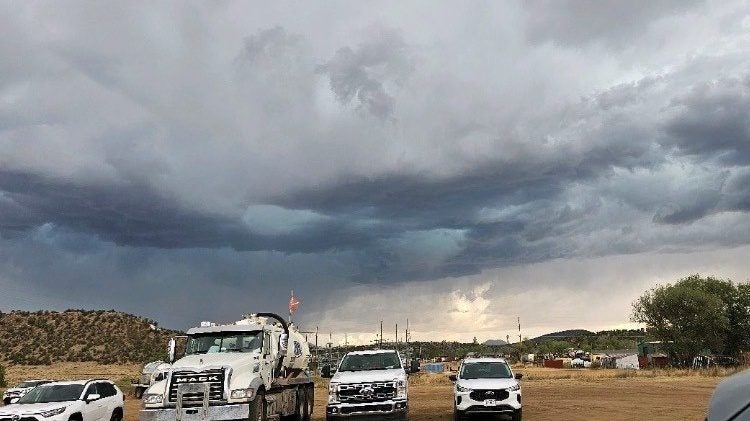
After days, even weeks, of anxious waiting, official notices from Lincoln County emergency personnel and the Southwest Area Incident Management Team 2 announced the lifting of all remaining evacuation orders. This wasn’t some slow, planned drawdown; it was a rather abrupt shift, largely credit to a ‘sharp change’ in the weather. Tuesday saw storms sweep through, transforming dry canyons into ephemeral creeks, pushing back against the flames.
“This rain’s a gift, a momentary reprieve,” Governor Michelle Lujan Grisham didn’t mince words when addressing the delicate balance. “But it ain’t no magic wand. We’ve got to keep our wits about us. We’re battling not just individual blazes, but an altered climate that makes these events—the fires and the subsequent floods—increasingly severe.” She’s right; the relief is palpable, but a new type of dread, that of flash floods tearing through newly barren landscapes, promptly took root.
The numbers had looked bleak. Just hours before the announcement, the Seven Cabins Fire was gnawing through approximately 31,770 acres, with containment standing at a mere 61%. But now, patrols scour the fire lines, securing what precious ground was gained. Fewer boots on the ground, too; the 583 personnel currently deployed are a notable dip from the 650 who were fighting this beast earlier in the week. And yet, key areas, like the Lone Tree Bible Ranch, remain on high alert, still designated as ‘values at risk’ even with residents streaming back.
John Moyer, Lincoln County’s emergency operations chief, put it bluntly: “We’re all breathing a little easier, sure. But every downpour in these burn scars — they’re just a stark reminder of what this region’s facing, year in, year out. It’s a new normal, and we’re just trying to keep folks safe through it.” His weary tone reflects the grinding reality for communities here. Because what douses one immediate threat can, — and often does, fuel the next catastrophic event.
And it’s a stark pattern playing out across the globe. Just as New Mexico grapples with a boom-bust cycle of drought and deluge, nations thousands of miles away face even more harrowing versions of the same drama. Consider Pakistan, for instance, a nation routinely battered by the extremities of climate change, from devastating floods that displace millions to parching droughts that ruin harvests. In 2022, Pakistan faced catastrophic floods, affecting over 33 million people and costing an estimated $30 billion in damages and losses, according to a report by the Ministry of Planning, Development & Special Initiatives of Pakistan and UN agencies. It’s a grim mirror of nature’s intensifying capriciousness, where rain, once a blessing, becomes a weapon in disguise.
But the high desert’s fight isn’t just about big headlines; it’s about the quiet, unyielding effort on the ground. It’s about crews reinforcing barriers, and communities learning—sometimes the hard way—to coexist with a wildland increasingly unpredictable. As one seasoned local fire chief told me years ago, “You don’t beat the desert; you just survive it, one season at a time.”
What This Means
This ‘reprieve’ for the Seven Cabins Fire offers a momentary breath, yes, but it’s far from a lasting solution. Politically, the immediate calm allows state and local officials to defer, briefly, the uncomfortable conversations around long-term resource allocation for wildfire prevention and climate adaptation. It’s a classic case of crisis response overshadowing strategic planning, though Governor Grisham’s remarks suggest some recognition of the broader struggle.
Economically, communities like Ruidoso face a double-edged sword. While tourism, a lifeblood, might resume without the immediate threat of fire, the lingering memory of evacuation, combined with the risk of future floods in the denuded terrain, could deter visitors and residents alike. The continuous cycle of destruction and reconstruction strains local budgets, redirects public funds, and forces a reevaluation of land use policies, which rarely come easy. This dance with escalating natural disasters creates an implicit tax on local economies, impacting property values and insurance markets – something policymakers are slow to fully internalize until the next calamity hits. It’s also why infrastructure projects are so key to preventing disasters on this new, intense scale, whether that’s securing critical assets like in High Desert’s scenic railway or managing water run-off more effectively.
From a global perspective, New Mexico’s experience is a microcosm of a larger planetary challenge. Nations across the Muslim world and South Asia, already contending with fragile economies and complex geopolitical landscapes, find their vulnerability compounded by intensifying weather events. Droughts ignite wildfires; torrential rains trigger devastating floods in quick succession. These aren’t isolated incidents, but interconnected symptoms of a warming planet. The human cost, the displacement, the economic disruption — it all creates a pressing demand for robust international cooperation and localized, community-led resilience efforts that move beyond merely reacting to the next crisis. But until then, we’ll keep watching the sky, holding our breath, praying for just enough, but not too much, rain.