


Dollar Signs and Super Soakers: Mizzou Baseball’s Quiet Exodus Reveals College Sport’s Brutal Economy
POLICY WIRE — Columbia, MO — Here’s the cold, hard truth of elite athletics: some fields are just richer than others. It’s a stark reality often masked by bravado and team spirit, but...

POLICY WIRE — Columbia, MO — Here’s the cold, hard truth of elite athletics: some fields are just richer than others. It’s a stark reality often masked by bravado and team spirit, but peel back the layers and you find the unforgiving logic of the global talent market, echoed even on collegiate diamonds. Forget the cheers for a moment. This is about investment, infrastructure, and the quiet brain drain that can cripple aspirations, whether in the nascent tech sector of Karachi or a Division I baseball program vying for respect in America’s toughest conference.
Missouri’s baseball squad, the Tigers, just wrapped up a season that some might call improved. And, yeah, they didn’t leave Hoover, Alabama, after a 12-2 SEC Tournament loss feeling ashamed. Before that opener against Ole Miss, the program hadn’t sniffed a first-round tourney victory since way back in 2017. This year, though, they doubled their conference win tally with series wins over Kentucky and Vanderbilt—a small balm on a festering wound, perhaps. Mizzou closed the season at 24-31 overall and 6-24 in SEC games, a record that for many, even with the improvement, suggests less a surge than a barely detectable tremor. Still, in a conference where the No. 9 seeded team is simultaneously the No. 17 ranked squad in the entire nation, where 10 of the top-25 teams routinely occupy SEC berths, mere survival feels like a battle hard-won. [QUOTE_PLACEHOLDER]
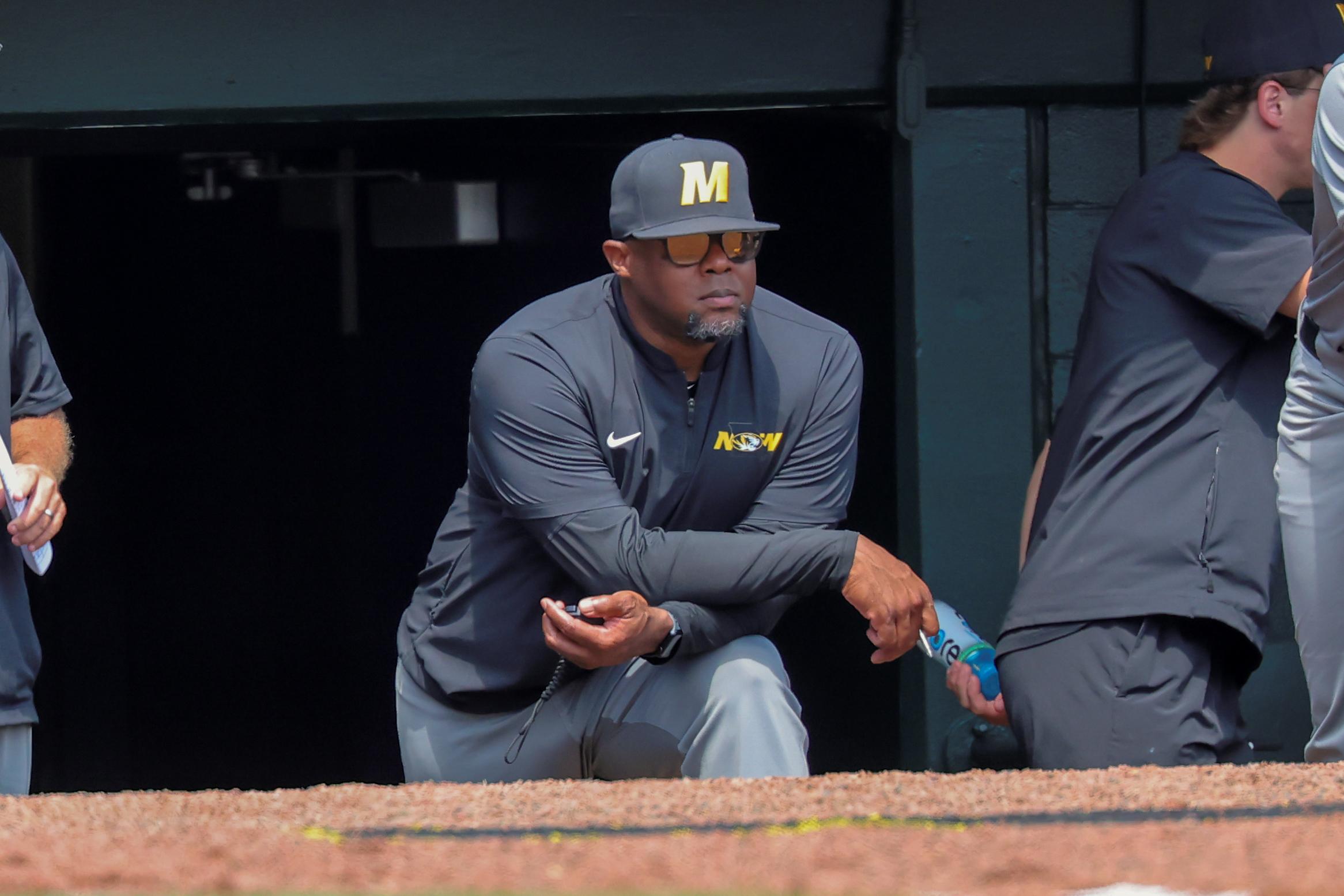
Against this backdrop, Coach Kerrick Jackson keeps his job. After a ’25 season marked by injuries and out-of-position players, he steered his team to demonstrate what the athletic department must consider sufficient signs of progress. A report from D1 Baseball’s Kendall Rogers on Friday evening affirmed that the Tigers plan to retain their current head coach Kerrick Jackson, heading into his fourth straight season. And, let’s be real, a reported 1.1 million buyout didn’t exactly hurt his chances, either. But the broader picture for Mizzou baseball, despite any glimmers of hope, is painfully obvious. They simply fall behind in the investment aspect compared to other SEC programs. The infrastructure? Compared to their peers, it’s lower in quality. It’s no wonder one analyst noted, Everyone associated with Mizzou baseball has been sent into a gun fight with a Super Soaker.
This isn’t just about college baseball, you see. This is a macrocosm of something far larger, something developing in many emerging economies, including nations like Pakistan or Indonesia. They churn out talented young people, but without the corresponding investment in infrastructure—be it labs, incubators, or advanced training facilities—that talent often gets lured away. These nations, like Mizzou, find themselves operating with a Super Soaker while richer rivals wield heavy artillery. It’s a perpetual state of attempting to compete without the fundamental resources required to genuinely contend, making every modest win feel disproportionately heroic and every loss deeply systemic.
Jackson, for his part, claims to insulate his team from the din. I’ve never listened to it,
he reportedly said. He offers up homespun philosophy, saying, Growing up, it didn’t matter what other people thought except for the people in your circle. You never let anybody else establish your self‑value and self‑worth.
He pushes his players to stay focused on what we’re doing and what we’re about,
because a lot of people want to see someone fail.
But even with this disciplined internal focus, the exodus has begun. The program celebrated seven seniors on their way out—a regular churn—but also waved goodbye to infielders Chris Patterson and Gehrig Goldbeck, and four pitchers: Keagen Kohlhoff, Kadin Muckley, PJ Green, and Keyler Gonzalez, all opting for the NCAA transfer portal.
Gonzalez, a right-hander with two years of eligibility left, notably struck out 36 batters in 28.2 innings this past season, boasting a 5.02 ERA. Losing a key contributor like him, after just one year, represents a significant blow, an understandable casualty in a system that rewards immediate opportunity and robust support. Just as top cricketing talent from regional teams in Pakistan might jump at an opportunity with a better-funded IPL franchise or European league (see The Price of Prodigy), college athletes often migrate to programs offering superior facilities, more playing time, or a clearer path to professional visibility. Mizzou, it seems, has become a way station for some, a place to hone skills before migrating to greener, better-funded pastures.
Even hitting coach Bryson LeBlanc, a former Tiger player himself, won’t return for 2027. It’s a revolving door, fueled by the stark disparities in college athletics.
What This Means
The Mizzou baseball saga isn’t just a sports story; it’s a telling political — and economic parable. In a league like the SEC, where institutional budgets for athletic programs resemble small national GDPs, programs without comparable financial firepower are consigned to a constant struggle. This isn’t fair play; it’s market dynamics on steroids. Retaining a coach amidst such a systemic disadvantage can be interpreted less as an endorsement of past performance and more as a desperate play for stability, or perhaps an acknowledgement of sunk costs (that 1.1 million buyout does speak volumes, doesn’t it?). The continuous bleed of talent via the transfer portal isn’t just roster management; it’s an early warning system for resource disparity. Players, like highly skilled labor, will gravitate to environments where they’re better supported and have greater opportunity—it’s simply rational economic behavior.
From a political economy standpoint, it raises questions about competitive balance and the ‘spirit’ of amateur athletics when resources dictate outcomes so profoundly. For Policy Wire’s readership, this micro-narrative of college sports is a striking analog for global struggles: the constant challenge of retaining homegrown talent in smaller economies when larger, wealthier entities offer irresistible advantages. It’s about how raw potential often succumbs to the sheer force of capital, an age-old narrative played out under Friday night lights as much as it’s in boardrooms from Islamabad to Silicon Valley. As long as the playing field is radically unequal, expecting anything beyond incremental, often temporary, gains feels naive. Jackson, no doubt, will continue to talk about developing players. But with so many leaving, who exactly is he developing for?